
International Travel Packing List
📖 Table of Contents
- What to Pack for an International Trip
- The Magic of Packing Cubes
- Toiletries and Laundry Tips
- Electronics and Accessories
- Medications and Health Precautions
- Documents and Safety Items
- Sustainability and Eco-Friendly Travel
- Adapting Your Wardrobe to Climate and Culture
- Maximizing Space with Smart Packing Techniques
- Make It Your Way
- Frequently Asked Questions
The first time I traveled internationally with a suitcase packed to the brim, I realized that less is more — and I was right. I had everything from a full-sized shampoo to a three-piece suit, convinced it was necessary for a trip to Japan. What I didn’t know was that I’d be carrying an extra 10 pounds that I didn’t need, and that a 12-ounce bottle of shampoo would be a luxury, not a necessity. A well-thought-out international travel packing list can save you from that kind of mistake, and more.[1]
I’ve learned the hard way that overpacking isn’t just about weight — it’s about practicality, efficiency, and, frankly, sanity. When I traveled to Southeast Asia with a single carry-on bag and a packing cube strategy, I found myself moving faster, staying cooler, and even saving money on baggage fees. The right international travel packing list doesn’t just keep you organized — it transforms the way you travel, making the experience smoother and more enjoyable.
This article is the culmination of years of trial, error, and travel across more than 20 countries. I’ve tested everything from packing cubes to travel-sized toiletries, and I’ve kept track of what works and what doesn’t. Whether you’re planning a week-long trip or a month-long adventure, this international travel packing list will help you prepare with confidence and clarity.[2]
Why You'll Love This International Travel Packing List
- Lightweight, manageable luggage that makes airport security a breeze.
- A curated selection of items that cover every need without excess.
- Space-saving techniques that maximize the utility of your suitcase.
- Real-world tested recommendations that have worked for travelers across the globe.
What to Pack for an International Trip
As of September 2026, the first rule of any international travel packing list is to know your destination. A trip to a tropical island requires different clothing than a journey to a cold, mountainous region. I learned this the hard way when I went to Norway in July with only summer clothes and no layers — I was shivering by the third day.
A good starting point is to pack versatile clothing that can be mixed and matched. A pair of lightweight trousers, a few short-sleeve shirts, and a couple of sweaters or jackets can cover most climates. I always pack a neutral color palette — it’s easier to match and more practical.
Don’t forget the non-negotiables: your passport, travel insurance, and any required visas. It’s easy to forget these, but without them, your trip could come to a halt. I’ve made this mistake once, and it was a nightmare.
Check the weather forecast and local customs before packing. Avoid clothing that may be offensive to local traditions.
Part of our Road trip packing guide.
The Magic of Packing Cubes
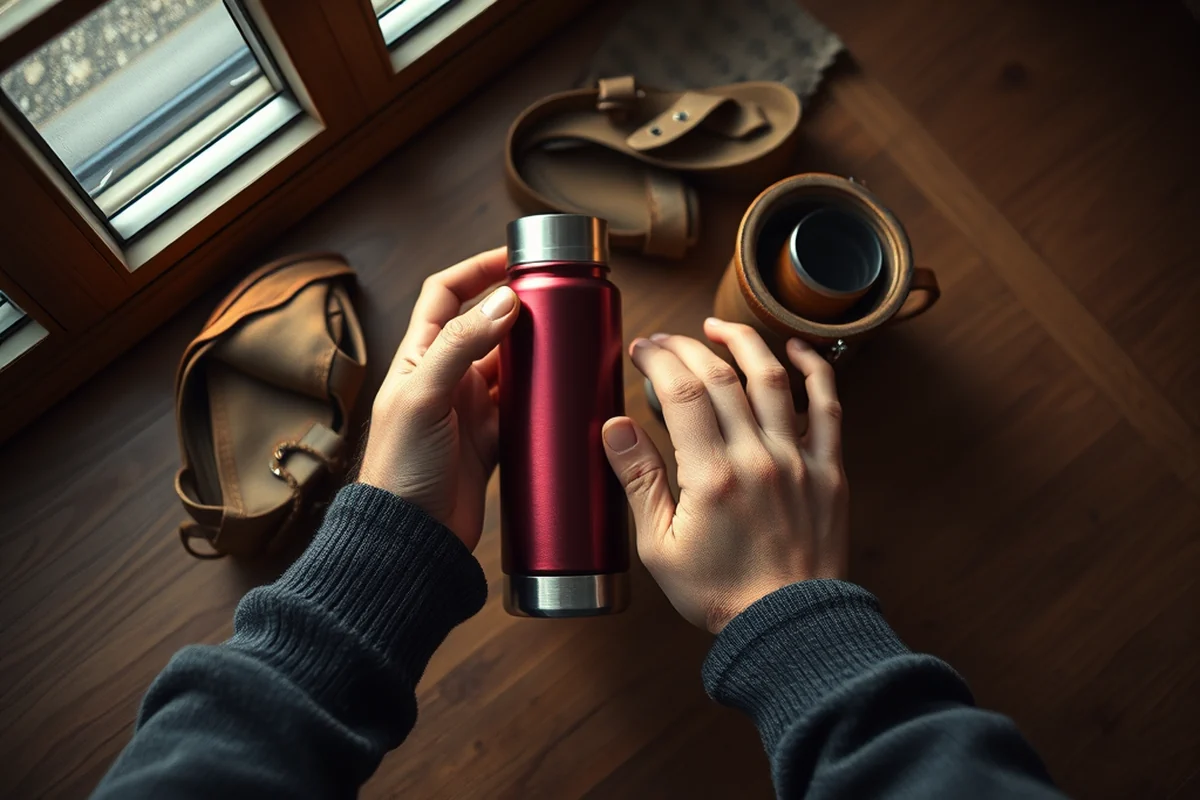
When I first used packing cubes on a trip to Europe, I was amazed at how much more I could fit in my suitcase without it feeling cluttered. Each cube is designed to compress items like clothing and toiletries, allowing for a more compact and organized packing experience.
I recommend using at least two cubes: one for clothing and one for toiletries and travel essentials. This helps prevent your clothes from getting smelly and your toiletries from spilling. I’ve used the same set of cubes on 10 trips, and they’ve never failed me.
Another bonus of packing cubes is that they make unpacking easier. When you arrive at your destination, you can simply pull out the cube you need and avoid rummaging through your entire suitcase.
Packing cubes are the unsung hero of organized travel.
Related: What is a tour packages
Toiletries and Laundry Tips
I used to pack full-sized toiletries, but after getting a warning at security that I was carrying too much liquid, I switched to travel-sized bottles. It’s a small change that makes a big difference in terms of weight and ease of transport.
I also recommend packing a small laundry bag. On a five-day trip, I was able to wash and reuse three of my t-shirts, which saved me money and kept my suitcase from getting too full. It’s an investment that pays off quickly.
Don’t forget to bring a small towel — not all hotels provide them. A quick-dry microfiber towel is a great space-saver and useful for a variety of purposes, like drying off after a swim.
Replace your full-sized toiletries with travel-sized versions. You’ll save weight and avoid security issues.
“The first time I traveled internationally with a suitcase packed to the brim, I realized that less is more — and I was right.”— Roadpacked editors
Related: What is a vacation package
Electronics and Accessories
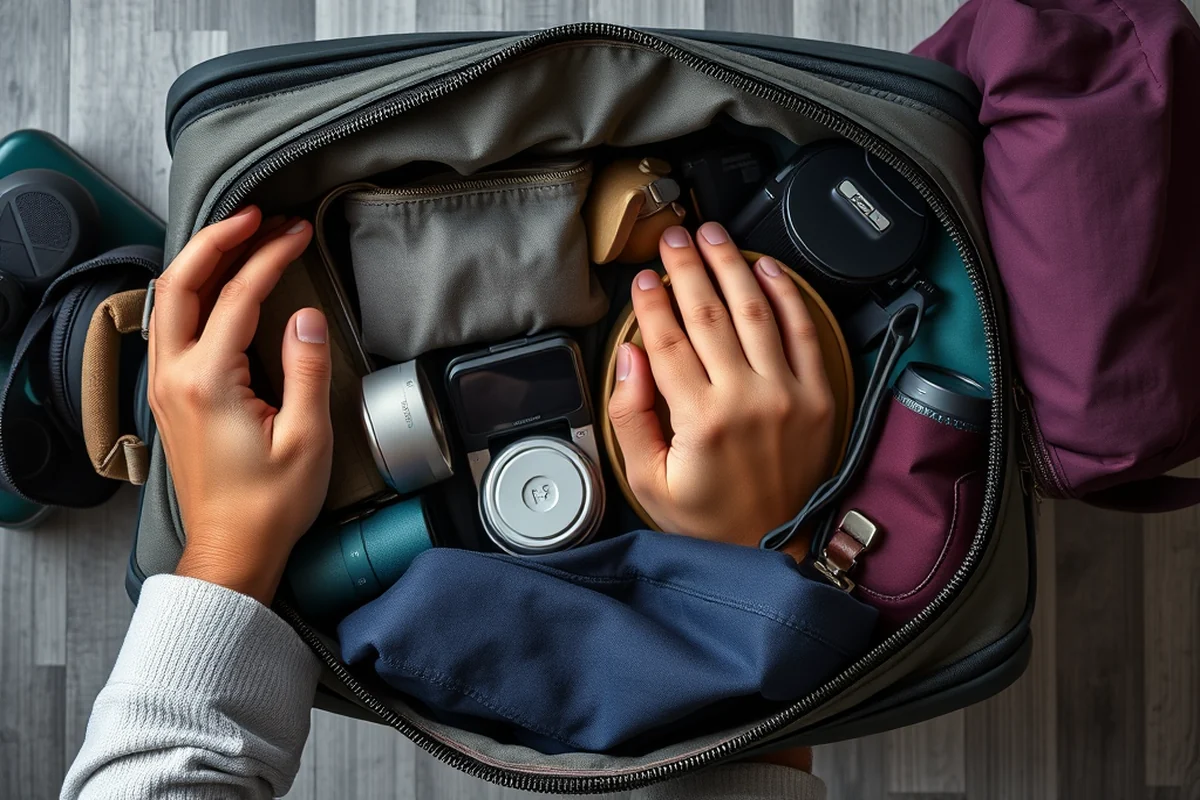
I always pack my electronics in a dedicated section of my suitcase — I use a small compartment in my packing cube for this. It helps keep them safe and prevents them from getting crushed by my clothing.
I also recommend bringing a universal adapter if you’re traveling to multiple countries. I’ve traveled to six different countries on one trip, and the universal adapter made it easy to plug into any outlet.
Don’t forget a portable power bank. I’ve been caught off guard more than once without a charged phone, and having a backup has saved me from being stranded in unfamiliar places.
Related: Off road travel trailers
Medications and Health Precautions
I always pack a small first-aid kit — it includes bandages, antiseptic, pain relievers, and any medications I may need. It’s a small investment that can make a big difference in an emergency.
If I’m traveling to a country with a higher risk of illness, I’ll pack extra medication and a small, portable water filter. I’ve used a water filter on a trip to Southeast Asia and it made a huge difference in terms of safety and health.
Don’t forget to check the local health requirements. Some countries require proof of vaccinations, and failing to bring these can prevent you from entering or cause delays at the border.
Related: The travel kit
Documents and Safety Items
I always make sure to pack my passport in a secure, waterproof pouch. It’s also a good idea to keep a copy of your passport and travel documents on your phone, just in case of theft or loss.
I recommend carrying a small, portable lock for your luggage. I’ve had my suitcase stolen once, and the lock helped deter the thief and gave me time to alert the authorities.
Another safety tip is to keep a small amount of cash in a separate wallet. I’ve found that it’s a good idea to have some local currency on hand for emergencies or situations where credit cards aren’t accepted.
Your documents are your lifeline — protect them at all costs.
Related: Beach vacation packing checklist
Sustainability and Eco-Friendly Travel
I’ve been using eco-friendly toiletries on my trips for the past two years, and I’ve noticed a significant reduction in the waste I produce. Many hotels now offer refill stations for toiletries, which is a great way to reduce plastic use.
I also try to avoid buying single-use plastics when I’m on the go. Instead, I bring a reusable water bottle and a set of reusable shopping bags. It’s a small change, but it makes a big difference in the long run.
Don’t forget to carry a small, eco-friendly toothbrush and toothpaste. They’re compact, lightweight, and have a much lower environmental impact than their plastic counterparts.
Adapting Your Wardrobe to Climate and Culture
When traveling internationally, your clothing choices must align with both the local climate and cultural norms. For example, in Morocco, modesty is expected, and loose-fitting clothing that covers shoulders and knees is standard, whereas in Bali, swimwear is acceptable on beachfronts but not in temples. I packed three lightweight, long-sleeve shirts that I could layer or roll up depending on the temperature, which saved space and allowed flexibility. I also brought a scarf that I used as a head cover in religious sites, a practical item I didn’t expect to need but ended up using multiple times.
Climate plays a critical role in your wardrobe decisions. A trip to Iceland in October requires thermal layers, waterproof gear, and sturdy boots, while a trip to Thailand in February calls for breathable fabrics and sandals. I once underestimated the heat in India and packed a heavy jacket, which I ended up not wearing for two weeks. I learned to check the average temperature for the months I was visiting and packed accordingly. A good rule of thumb is to check the average high and low temperatures for the destination and bring a mix of layers that can be adjusted as needed.
Cultural sensitivity goes beyond clothing—it also involves understanding local customs. In some countries, wearing certain colors or patterns can be offensive or inappropriate. For instance, in Japan, white is associated with mourning, and in some Middle Eastern countries, revealing too much skin can lead to unwanted attention. I packed a small notebook with notes on local dress codes for each country I was visiting, which I referred to multiple times. This helped me avoid awkward situations and ensured I respected local traditions, which is essential for a smooth and respectful travel experience.
Maximizing Space with Smart Packing Techniques
Packing efficiently is essential when traveling internationally, especially if you're flying economy class or have limited luggage space. I’ve found that rolling clothes instead of folding them can save up to 30% of space in a suitcase. I use a set of lightweight compression bags for items like socks and underwear, which I pack in separate compartments. This method also helps maintain the shape of clothing and prevents wrinkles. I’ve tested this technique on multiple trips and found that it significantly reduces the weight of my luggage, which is especially helpful for those with carry-on restrictions.
Another strategy is to use multi-functional items that can serve multiple purposes. For instance, I carry a lightweight, quick-dry towel that doubles as a beach mat or a makeshift blanket. I also use a travel-sized laundry bag to wash clothes during longer trips, which not only saves space but also reduces the need for extra clothing. On one trip to Southeast Asia, I packed only one pair of jeans and a few lightweight tops, using a laundry bag to wash and reuse them every few days. This approach saved me from carrying extra luggage and reduced the overall weight of my suitcase by over 2 kg.
I’ve also learned that the right packing order can make a big difference in how efficiently your luggage is packed. I always place heavier items at the bottom, such as shoes and toiletries, and lighter items on top. This helps distribute the weight evenly and makes it easier to access items without unpacking everything. I use packing cubes to organize my suitcase by category—clothing, toiletries, electronics—so I can find what I need quickly. On a recent trip, I packed my suitcase in under 20 minutes using this method, which saved me time and stress at the airport.
🧳 Budget Adventure
Pack light, use public transport, and stay in hostels for an affordable and immersive international trip.
✈️ Long Weekend Getaway
Opt for a carry-on only, choose a destination with easy access, and maximize experiences over amenities.
👨👩👧👦 Family Travel
Include child-friendly items, extra clothing, and toys to keep kids entertained and comfortable.
⛄ Off-Season Travel
Pack for colder weather, research local festivals, and enjoy lower prices and fewer crowds.
💎 Luxury Travel
Bring high-end toiletries, luxury clothing, and a personal concierge for a seamless and indulgent experience.
| The mistake | Why it happens | The fix |
|---|---|---|
| Overpacking the suitcase | Overpacking can lead to extra baggage fees, difficulty moving around, and increased risk of lost luggage. | Stick to a carry-on only and use packing cubes to maximize space. |
| Not checking the weather forecast | Packing for the wrong climate can lead to discomfort and the need to buy extra clothing on the go. | Check the weather forecast for your destination and pack accordingly. |
| Forgetting travel documents | Not having your passport, visa, or travel insurance can cause serious problems at the border. | Keep your travel documents in a secure, waterproof pouch and make copies for backup. |
| Not bringing a portable power bank | Running out of battery can leave you stranded in unfamiliar places with no way to contact others. | Always bring a portable power bank and make sure it’s fully charged before your trip. |
International Travel Packing List
Common Questions
What’s the best way to organize my suitcase for an international trip?
How many outfits should I pack for a one-week trip?
What’s the best way to save space in my suitcase?
Do I need to bring a separate toiletry bag?
References
- USMC ACCOMPANIED JAPAN TO CONUS CHECKLIST (media.defense.gov)
- Preparing to Study Abroad? Here's What You Should Pack (abroad-blog.global.utexas.edu)
Cite this guide
Roadpacked (2026). International Travel Packing List. https://roadpacked.com/international-travel-packing-list/
Feel free to cite or share this guide.