
Road-trip Packing Timing Tips
📖 Table of Contents
There's a moment during every road trip when you're standing in your hotel room, suitcase open, and you realize you forgot the one thing you needed most — your camera. I've been there. It's not just about forgetting things; it's about the timing of when you pack, and how that can make or break the adventure. Packing for a road trip is an art, and timing is its most crucial brushstroke.
I once spent a full day in a small town trying to find a replacement for a forgotten jacket, only to discover the local shop closed for the season. That day taught me that the timing of my packing — and the order in which I packed — could mean the difference between a smooth journey and a day lost to frustration. Road-trip packing timing tips aren't just about avoiding the obvious; they're about creating a rhythm that keeps your adventure flowing.
The best road trips are those where you feel prepared, not just for the destination but for the journey itself. I've learned that the key to that feeling lies in the hours before departure, in the way you arrange your belongings, and in the small, often-overlooked details that make the trip feel effortless. Road-trip packing timing tips are more than a checklist — they're a strategy that can turn a chaotic journey into a seamless one.
Why You'll Love This Road-trip Packing Approach
- Avoid the chaos of last-minute packing with a structured, time-based approach.
- Ensure you never miss a critical item with a prioritized packing schedule.
- Reduce stress and save time by aligning your packing with the trip's timeline.
- Stay organized and focused on the journey ahead, not on misplaced essentials.
The 48-Hour Rule: When to Start Packing
As of October 2026, I've found that starting to pack 48 hours before departure is the sweet spot. It gives you time to think about what you need and what you might not, and it avoids the chaos of packing the night before. I once packed the night before and found myself missing a key item — a towel — and it took an extra hour to find one.[1]
During those 48 hours, I like to go through my packing list, double-checking for things like weather-appropriate clothing, travel documents, and necessary toiletries. I also take that time to clean out my suitcase so it's ready for the next trip. It’s a small step that makes a big difference.
Starting early also helps with the emotional preparation. You're not rushing, and you're not trying to mentally juggle your to-do list and your packing list. This rule has saved me time and stress more than once, and I recommend it to anyone embarking on a road trip.
Begin packing two days before your trip to avoid last-minute stress and ensure you have everything you need.
Part of our Road trip packing seasonal timing guides guide.
Packing in the Morning: The Power of Timing
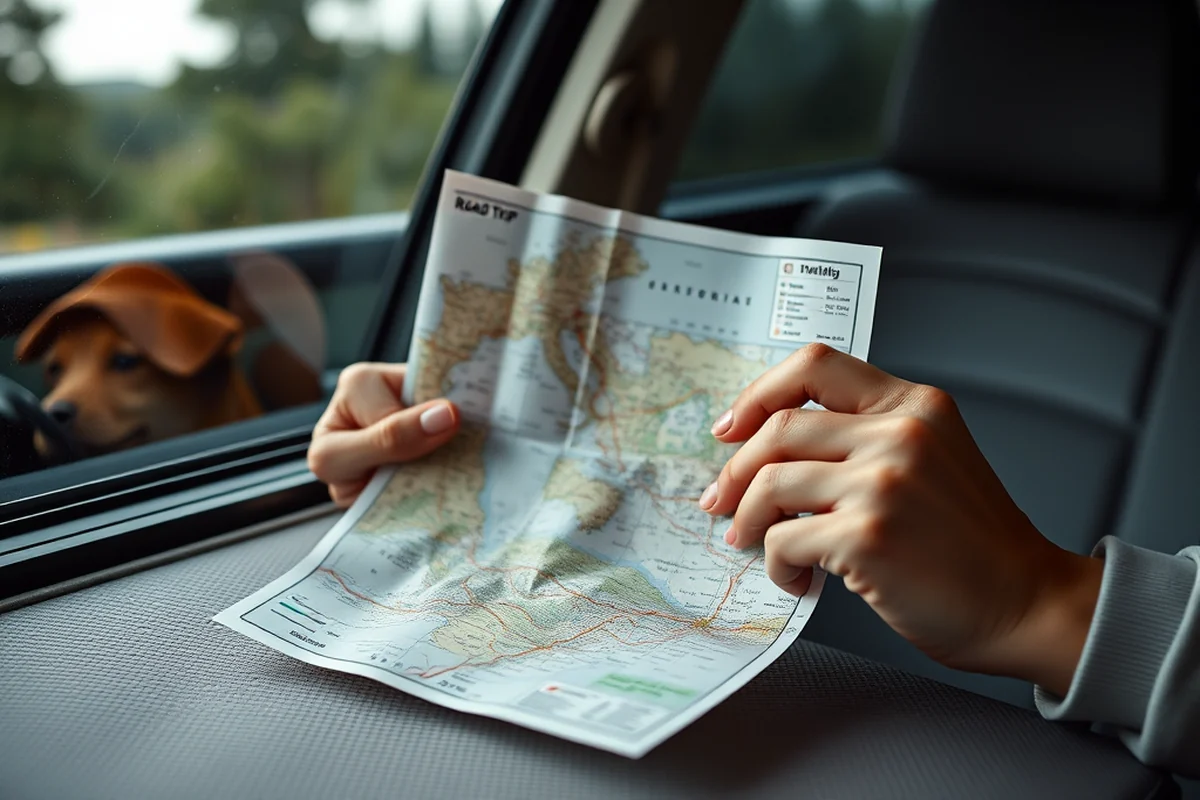
I’ve always found that the best time to pack is in the morning, when your mind is fresh and you're not battling the exhaustion of a long day. I remember a trip where I packed in the late afternoon, and I ended up overpacking, which made my suitcase too heavy and hard to carry.
Morning packing also allows you to make better decisions. When you're tired, you're more likely to forget items or pack unnecessary things just to feel prepared. In the morning, I can review my packing list with a clear head and only bring what I need.
I’ve noticed that people who pack in the morning are often more efficient and less stressed. It's a small change that can have a big impact on your overall experience.
Packing in the morning is the key to a smooth and stress-free journey.
Related: Quick road trip packing seasonal timing guides
The 30-Minute Rule: How Long to Spend Packing
I've been guilty of spending hours on my suitcase, trying to fit in every possible item. But after a few over-packed trips, I realized that less is more. Limiting myself to 30 minutes forced me to be efficient and prioritize what I actually needed.
During that 30 minutes, I focus on the essentials: clothing, toiletries, travel documents, and any specific items I might need for the trip. I also take time to roll my clothes, which saves space and keeps everything organized.
This rule has helped me reduce the weight of my suitcase and avoid the stress of carrying unnecessary items. It's a simple but effective way to streamline the packing process.
Limit yourself to 30 minutes of packing to avoid overpacking and ensure efficiency.
“There's a moment during every road trip when you're standing in your hotel room, suitcase open, and you realize you forgot the one thing you…”— Roadpacked editors
Related: Affordable road trip packing seasonal
The 'Last-Minute' Check: What to Do on the Day of the Trip
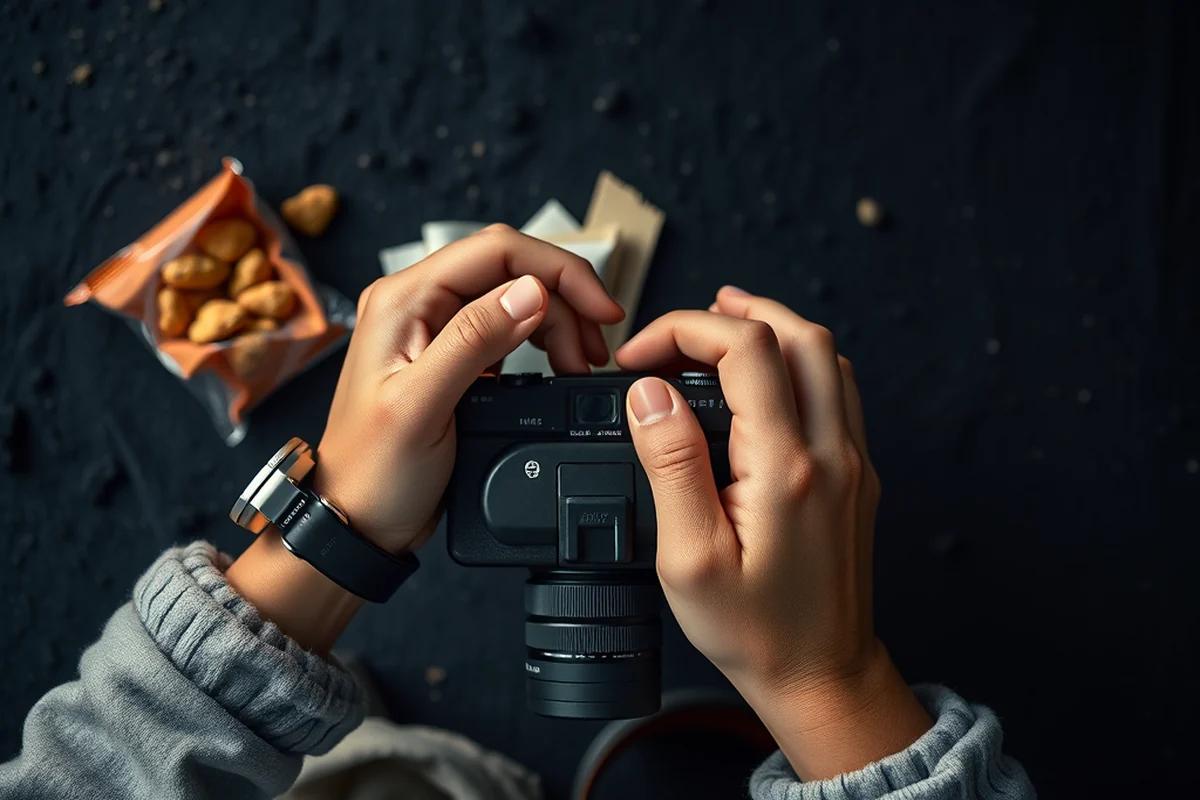
Even with the best planning, it's easy to forget something. That's why I always do a quick check on the day of the trip — 30 minutes before departure. I've caught missing items like my passport and my phone charger with this simple step.
During this check, I go through my suitcase one last time, looking for any missing items or things that might have been misplaced. I also make sure my travel documents are in my backpack and that my phone is fully charged.
This small habit has saved me from last-minute scrambles and has kept my trips running smoothly. It's a simple but effective way to ensure you're fully prepared for the journey ahead.
Related: Quick road trip packing seasonal
The 'Two Weeks Out' Rule: What to Pack Before Your Trip
I've realized that some items are better packed two weeks before your trip, especially if they’re non-essential or take time to prepare. For example, I like to bring my toiletries and travel-sized products two weeks before the trip to avoid the stress of packing them at the last minute.
This approach also helps with the timing of your packing. By packing non-essential items two weeks in advance, you’re more likely to have everything ready when you need it. It also gives you more time to adjust your packing list as needed.
I’ve found that this strategy helps me avoid the chaos of trying to pack everything on the day of the trip. It's a small but effective way to streamline the packing process and ensure you’re fully prepared for your journey.
🧳 Budget Road-trip
A low-cost journey where timing your packing helps you avoid unnecessary expenses and keep your luggage light.
🌅 Long Weekend Getaway
Perfect for quick trips where timing your packing ensures you're ready to leave with ease and efficiency.
👨👩👧👦 Road-trip with Kids
A journey where timing your packing helps you manage the chaos of travel with children and ensures a smoother experience.
🍂 Off-season Adventure
A trip where timing your packing allows you to prepare for unpredictable weather and ensure you're ready for any conditions.
🚗 Luxury Road-trip
A high-end journey where timing your packing ensures you're prepared for comfort and convenience at every stop.
| The mistake | Why it happens | The fix |
|---|---|---|
| Packing the night before your trip | Packing the night before can lead to missing items and increased stress due to fatigue. | Start packing 48 hours before your trip to ensure you have time to review your list and prepare efficiently. |
| Overpacking on departure day | Overpacking can lead to a heavy suitcase, making it difficult to travel and increasing the risk of missing items. | Limit your packing session to 30 minutes and focus on essentials to avoid overpacking. |
| Not doing a final check on the day of the trip | Failing to do a final check can result in missing critical items like travel documents or passports. | Do a quick check 30 minutes before departure to ensure you have everything you need. |
| Packing non-essential items last minute | Packing non-essential items last minute can lead to overpacking and unnecessary stress. | Pack non-essential items two weeks before your trip to avoid overpacking on departure day. |
Related: Road trip packing seasonal timing guides ideas
Road-trip Packing Timing Tips
Related: Easy road trip packing seasonal
The 'Night Before' Ritual: What to Do the Day Before Your Trip
A thoughtful post-trip routine helps you recover and prepare for future journeys with less stress.
After a road trip, the moment you return home is the perfect time to unpack and reorganize your belongings with intention. I always take 30 minutes right after arriving home to unpack everything—no exceptions. This prevents clutter from building up and helps me identify any items that need washing, repair, or donation. I’ve found that leaving items in my suitcase for too long leads to forgotten clothes and damaged belongings that I only discover later. Unpacking immediately also helps me mentally reset and enjoy the rest of my day without the weight of travel gear hanging over me.
I organize my clothes by category—socks with socks, shirts with shirts—so I can easily find what I need the next time I travel. I also take this time to inspect each item for any damage or stains, and I note which pieces I need to replace. This habit has saved me from packing broken or smelly items on future trips. I also re-stock my travel kits with essentials like hand sanitizer and toilet paper, making sure I’m always ready for the next adventure.
Finally, I take a few minutes to reflect on the trip, either by journaling or simply talking through the highlights with my partner. This helps me internalize the experience and appreciate the details, like the scenic views I saw or the meals I enjoyed. It also reminds me what worked and what didn’t, so I can adjust my packing and travel habits for the next journey. This small but intentional ritual transforms the end of a trip into a moment of gratitude and preparation.
The 'Packing Pause' Technique: When to Take a Break
Taking a short break during packing can boost efficiency and reduce stress. Here’s how to use it.
I’ve found that stepping away from my packing for 10–15 minutes every hour helps me spot missing items and rethink my organization. It’s easy to get caught up in the rhythm of stuffing clothes into a suitcase and forget about the essentials like chargers or toiletries. Taking a pause allows me to step back and evaluate whether I’ve prioritized correctly. It also helps prevent fatigue, which is especially important when you’re packing for a long trip and need to be sharp for the journey ahead.
During these breaks, I’ll often grab a cup of coffee or tea, stretch, or even take a quick walk around the house. It’s amazing how a small moment of rest can recenter your focus and make the task feel less overwhelming. I’ve noticed that after a break, I’m more methodical in my packing—placing heavier items at the bottom, rolling clothes to save space, and double-checking my checklist. This technique has become a non-negotiable part of my pre-travel routine.
Another benefit of the 'packing pause' is that it gives me time to reflect on the trip itself. What am I most excited about? Are there any specific activities that require special gear? These pauses allow me to align my packing with my actual needs and expectations, which leads to a more enjoyable and stress-free trip. It’s a small investment of time that pays off in the long run.
Common Questions
What's the best time to start packing for a road trip?
How long should I spend packing on the day of my trip?
What should I do if I forget something after I've packed?
Should I pack non-essential items two weeks before my trip?
References
- PACKING AND SHIPPING INSTRUCTIONS - USAP.gov (usap.gov)
Cite this guide
Roadpacked (2026). Road-trip Packing Timing Tips. https://roadpacked.com/road-trip-packing-timing-tips/
Feel free to cite or share this guide.