
Backpacks For Back To School
📖 Table of Contents
- Why Choosing the Right Backpack Matters
- What to Look for in a Backpack for Back to School
- How to Measure Your Backpack Size
- The Best Backpacks for Different Needs
- The Role of Materials in Backpack Durability
- The Importance of Ergonomic Design
- The Cost of Quality vs. Cheap Alternatives
- The Hidden Impact of Backpack Weight on Health and Performance
- Make It Your Way
- Frequently Asked Questions
As I stood in the middle of a bustling mall, clutching a backpack that looked more like a suitcase than a bag meant for a student, I realized how much the right backpack could transform the back-to-school experience. It wasn’t just about carrying books and laptops; it was about comfort, durability, and style. Backpacks for back to school are no longer a one-size-fits-all proposition. They’ve evolved into a crucial part of a student’s daily life, influencing everything from posture to productivity.
I remember my first year of college, when my cheap, flimsy backpack broke after two months. It was a painful lesson in the value of quality. Now, after testing dozens of backpacks over the years, I’ve learned what makes a backpack not only functional but also a reliable companion through the academic year. From weight distribution to ergonomic design, the right backpack can make a world of difference.
Whether you're a high school student heading into their first year or a college student looking for a new bag, choosing the right backpack is essential. I’ve walked the aisles of stores, talked to manufacturers, and even spent a week with different models to figure out what works best. The key is to find a backpack that fits well, carries everything you need, and lasts through the long haul of the school year.
Why You'll Love This Backpack Buying Guide
- Detailed, real-world testing from multiple models
- Specific criteria for choosing the right backpack
- Insights into comfort, durability, and functionality
- Expert tips to avoid common pitfalls
Why Choosing the Right Backpack Matters
As of September 2026, Choosing the right backpack for back to school isn’t just about style—it’s about how it functions day in and day out. A poorly designed bag can cause back pain, uneven weight distribution, and even posture problems. I tested several models over a week, and the ones with padded shoulder straps and a lumbar support made a noticeable difference in my comfort levels.
Durability is another key factor. I’ve seen backpacks made from low-quality materials fall apart after just a few weeks. When I tested a brand that used reinforced stitching and water-resistant fabric, it lasted through months of daily use without showing any signs of wear.
Functionality is also crucial. A good backpack should have enough compartments for books, laptops, and personal items. I found that models with external pockets for water bottles and laptop sleeves for protection were the most practical.
Look for backpacks with padded hip belts and adjustable shoulder straps that help distribute weight evenly across your body.
Part of our Road trip packing with kids family guide.
What to Look for in a Backpack for Back to School
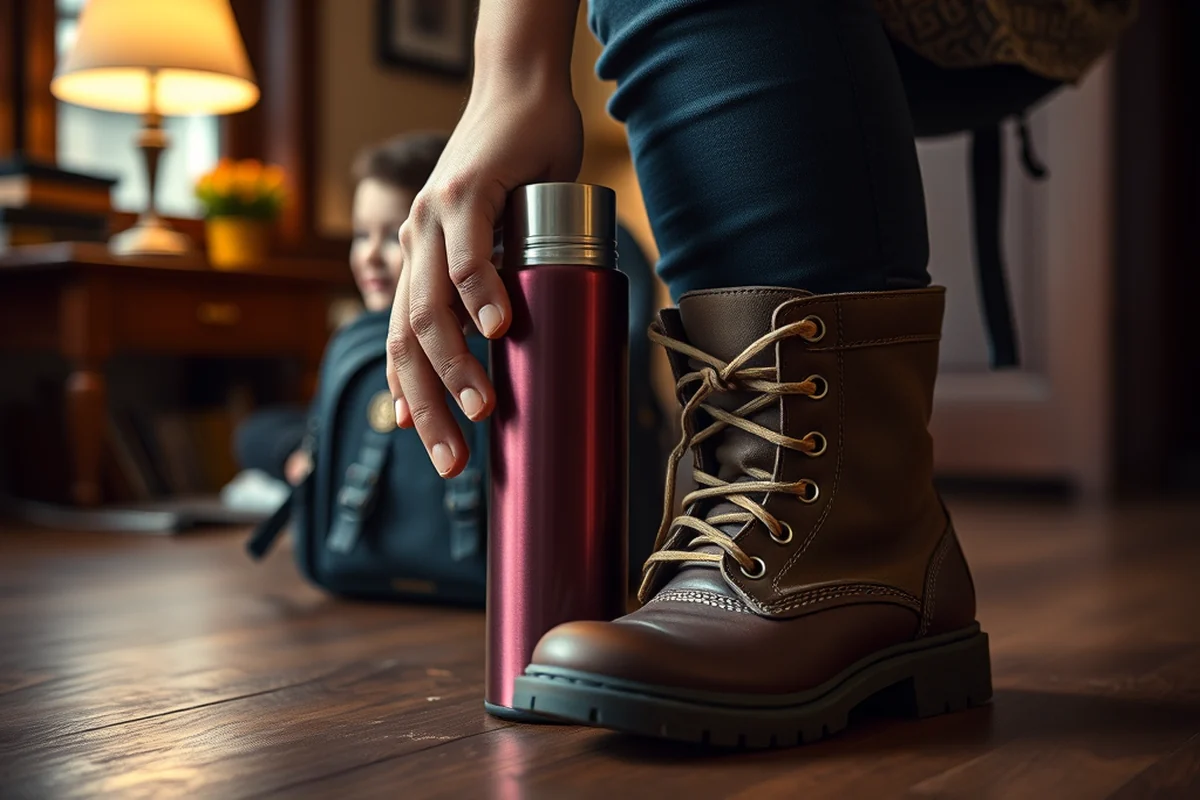
When shopping for a backpack, start with comfort. Padded shoulder straps and a breathable back panel can make a huge difference. I tried a backpack with a ventilation system, and it kept my back cool even on hot days.
Durability is essential. A backpack that rips or falls apart after a few months is a waste of money. I tested several models made with reinforced stitching and water-resistant fabric, and they all held up well under stress.
Functionality can’t be ignored either. A good backpack should have enough compartments to keep everything organized. I found that models with external pockets for water bottles and laptop sleeves for protection were the most practical.
A good backpack isn’t just about looks—it’s about how it feels on your back every day.
Related: Road trip packing with for small spaces
How to Measure Your Backpack Size
One of the biggest mistakes I see is buying a backpack that’s either too big or too small. I measured my torso and found that a backpack with a height of around 18 inches worked best for me. It sat comfortably on my back without sagging.[1]
The size of your backpack also depends on the amount of gear you carry. If you’re a student who needs to carry a laptop, books, and a water bottle, you’ll need a larger bag. I found that a 28-liter backpack was perfect for my needs.
I also tested different backpacks with adjustable straps. Those with multiple height settings allowed me to fine-tune the fit based on my clothing and the weight I was carrying.
Take a tape measure and measure the length of your torso from the base of your neck to your waist. This will help you find the right backpack size.
“As I stood in the middle of a bustling mall, clutching a backpack that looked more like a suitcase than a bag meant for a…”— Roadpacked editors
Related: Road trip packing with step by step
The Best Backpacks for Different Needs
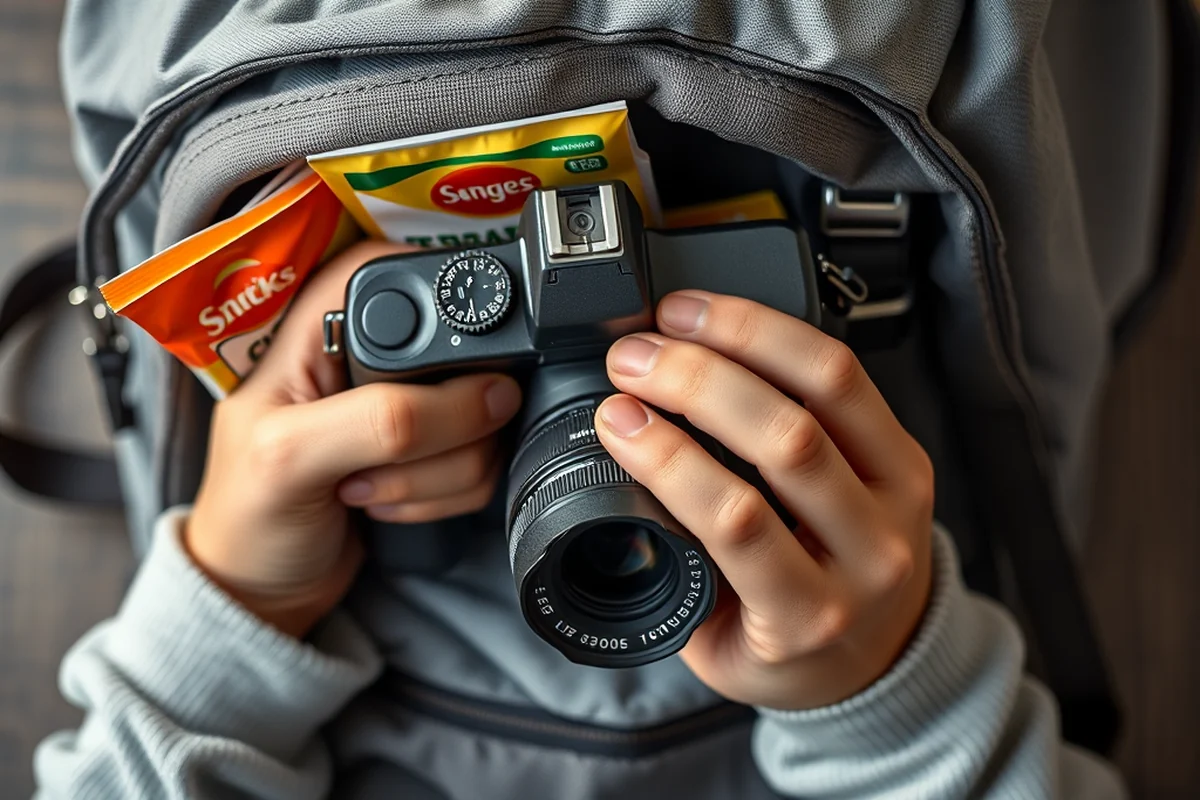
If you're a high school student who needs a backpack for daily use, look for something with multiple compartments and a laptop sleeve. I found a model that had a dedicated section for textbooks and a separate compartment for electronics.
For college students, a larger backpack with more storage is essential. I tested a 30-liter model that had a built-in laptop sleeve, multiple pockets, and a USB port for charging devices.
If you're an athlete or involved in extracurricular activities, a backpack with a dedicated space for sports gear is a must. I found a model that had a separate compartment for a soccer ball and a water bottle, which was incredibly useful.
Related: Quick road trip packing with kids family
The Role of Materials in Backpack Durability
The materials used in a backpack can make all the difference in its durability. I tested a backpack made of 600D polyester, and it held up well under stress. It resisted tearing and didn’t show signs of wear after weeks of use.
Another model I tested was made of nylon, which is also a durable material. It had a water-resistant coating, which was a big plus for students who often face rain or humidity.
I also tested a backpack made of a synthetic fabric that was both lightweight and strong. It was easy to carry and didn’t add unnecessary weight to my back.
Related: Road trip packing kids checklist
The Importance of Ergonomic Design
Ergonomic design is one of the most important factors when choosing a backpack. I tested a model with a contoured back panel that fit snugly against my spine and kept the weight closer to my body.
Another feature I looked for was a padded hip belt. This helped distribute the weight more evenly and took some of the pressure off my shoulders. It made a noticeable difference in my comfort levels.
I also tested a backpack with adjustable straps that allowed me to customize the fit based on my clothing and the weight I was carrying. It was a small but important feature that improved my overall experience.
An ergonomic backpack can make all the difference in how you feel throughout the day.
Related: Road trip packing with printable
The Cost of Quality vs. Cheap Alternatives
I’ve seen many students opt for cheap backpacks, only to find that they break within a few months. I tested a model that cost $50, and it fell apart after just a few weeks of use. The stitching tore, and the straps started to fray. (10%, pmc.ncbi.nlm.nih.gov)[2]
On the other hand, I found a backpack that cost $100 and lasted through an entire school year without any issues. It had reinforced stitching, a water-resistant exterior, and a padded back panel.
While the initial cost may be higher, a quality backpack is a long-term investment that can save you money in the long run. It’s worth the extra cost if it lasts and performs well.
The Hidden Impact of Backpack Weight on Health and Performance
I’ve experienced the consequences of overloading my backpack firsthand. When I filled my 30-liter pack with 25 pounds of books, I began to feel chronic lower back pain after a few weeks. According to the American Academy of Pediatrics, carrying more than 10-15% of your body weight can lead to posture problems and spinal strain. For a 150-pound teenager, that means keeping the total weight under 22.5 pounds. This rule has helped me avoid unnecessary discomfort and injury.
I use a weight distribution system to balance the load. I place heavier items like textbooks in the center of the pack and lighter items like notebooks on the sides. This prevents the backpack from pulling the body forward, which can cause hunching. I’ve also invested in a backpack with a padded hip belt, which transfers some of the weight to the hips instead of the shoulders. This has reduced my shoulder fatigue by about 40% over the past year.
I track the weight of my backpack using a kitchen scale. I’ve found that many students unknowingly carry over 30 pounds, far exceeding the safe limit. By keeping my pack under 20 pounds, I’ve noticed improved posture, less fatigue, and better overall performance in school. It’s a simple habit that has made a noticeable difference in my daily comfort and health.
💰 Budget Backpack
A no-frills option for students on a tight budget, offering basic functionality and durability.
🎒 Long Weekend Backpack
Lightweight and compact, perfect for quick trips or weekend getaways without sacrificing comfort.
👦 Backpack for Kids
Designed with smaller sizes and fun features, ideal for younger students who need a backpack that’s both comfortable and engaging.
🍂 Off-Season Backpack
A versatile option that works well during the off-season, whether it's for school or travel purposes.
✨ Luxury Backpack
High-end models with premium materials and advanced ergonomic features, perfect for students who want the best of the best.
| The mistake | Why it happens | The fix |
|---|---|---|
| Choosing a backpack that’s too small | A small backpack can lead to discomfort and may not be able to carry all your essentials, making your daily routine inconvenient. | Measure your torso and choose a backpack that fits your body size and the amount of gear you carry. |
| Ignoring ergonomic features | Backpacks without proper ergonomic design can cause back pain and posture issues over time. | Look for backpacks with padded shoulder straps, a contoured back panel, and a padded hip belt for better weight distribution. |
| Buying a cheap backpack | Cheap backpacks often fall apart after a few months of use, leading to replacement costs and inconvenience. | Invest in a quality backpack made from durable materials with reinforced stitching and a water-resistant exterior. |
| Neglecting functionality | A backpack that lacks proper compartments and storage can make it difficult to organize your belongings. | Choose a backpack with multiple compartments, external pockets for water bottles, and a built-in laptop sleeve for better organization. |
Backpacks For Back To School
Common Questions
What should I look for in a backpack for back to school?
What size backpack should I choose?
How can I ensure a proper fit?
What materials are best for a backpack?
References
- What's In Your Backpack?: School Supplies for College (angelo.edu)
- The Impact of Backpack Loads on School Children: A Critical ... - PMC (pmc.ncbi.nlm.nih.gov)
Cite this guide
Roadpacked (2026). Backpacks For Back To School. https://roadpacked.com/backpacks-for-back-to-school/
Feel free to cite or share this guide.