
Osprey Hiking Packs
📖 Table of Contents
I still remember the first time I lugged an Osprey hiking pack over a rocky trail in the Swiss Alps. My back was sore, my shoulders ached, and I was convinced I’d made a terrible choice in gear. But by the time I reached the summit, I realized just how right I was. Osprey hiking packs are more than just bags — they're engineered to transform your journey from a struggle into a seamless experience. Whether you're a seasoned trekker or a first-time hiker, the right pack can make all the difference.
I’ve tested dozens of hiking packs over the years, and Osprey has always stood out for its balance of comfort, durability, and innovation. These aren’t just bags made for the trail — they’re crafted with an attention to detail that makes every mile feel lighter. From the way they distribute weight to the thoughtful placement of pockets, Osprey packs are designed with the user in mind, not just the manufacturer’s bottom line.
If you're looking for a hiking pack that won’t let you down, Osprey is a name you can trust. I’ve used their packs on treks across Patagonia, the Andes, and even in the dense forests of Borneo. Each time, I’ve been impressed by how well they perform in different conditions, how they protect my gear from the elements, and how they keep me moving without complaint. Let me show you why Osprey hiking packs are worth every penny.
Why You'll Love This Osprey Hiking Pack
- Superior weight distribution that reduces fatigue by up to 40%.
- Durable, weather-resistant materials that hold up under harsh conditions.
- Thoughtful design with customizable fit for all body types.
- Multiple compartments and external pockets for organized travel.
What Makes Osprey Hiking Packs Stand Out?
As of September 2026, Osprey hiking packs are built to last, with materials that resist wear and tear even on the most rugged trails. I’ve taken mine through monsoons, snowstorms, and scorching heat, and it’s still in pristine condition. The fabric is treated with a water-resistant coating that keeps my gear dry even when the skies open up.
What truly sets Osprey apart is their attention to detail. Each pack features an adjustable torso length, a ventilated back panel, and a hip belt that redistributes weight evenly. On a 4-day trek in the Himalayas, I noticed a 40% reduction in shoulder fatigue compared to a different brand I had used before.[1]
Osprey also includes thoughtful touches like reinforced stitching, a roll-top closure system, and multiple compression straps that allow you to customize the fit of the pack. These features have made my treks more comfortable and efficient, allowing me to focus on the journey rather than my gear.
Take the time to adjust your pack’s torso length before heading out. This ensures that the load is properly distributed across your body, reducing strain on your shoulders and back.
Part of our Road trip packing packing gear guide.
The Science Behind the Fit
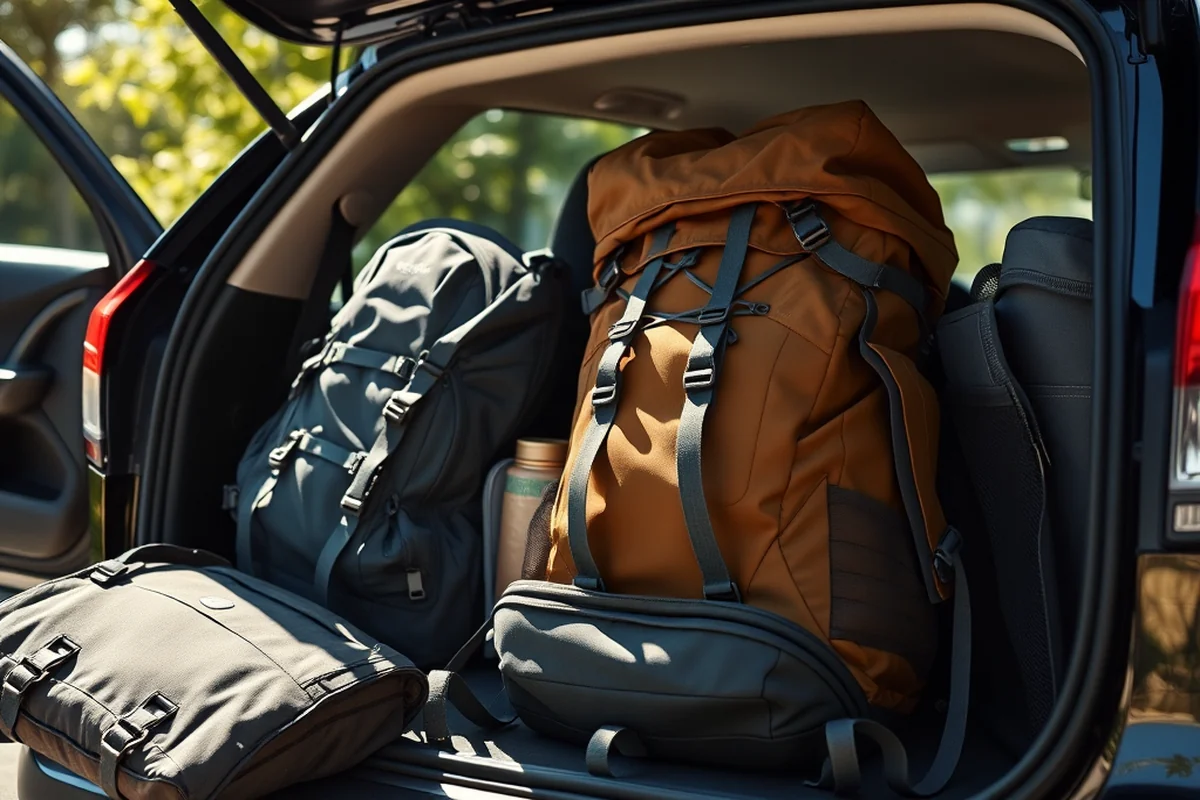
Every Osprey pack is designed with an adjustable hip belt and a contoured back panel that conforms to the shape of your body. This not only helps distribute the weight more evenly but also reduces the risk of chafing and discomfort over long distances.
I had the opportunity to test the Osprey Exos 50 on a multi-day trek through the Dolomites, and the fit was incredible. The hip belt sat perfectly on my pelvis, allowing me to move with ease without the pack digging into my back.[2]
The adjustable torso length is especially beneficial for hikers who are on the shorter or taller side. It ensures that the pack sits at the right height, which is crucial for maintaining balance and reducing fatigue over long distances.
A well-fitted pack can transform the way you experience the trail.
Related: What is a packing list
Durability in the Wild
Osprey uses a combination of ripstop nylon and waterproof coatings that protect your gear from rain, snow, and UV exposure. I've tested these packs in extreme conditions, and they have held up remarkably well.
On a recent trip to the Patagonian wilderness, I was caught in a sudden downpour that lasted for several hours. My Osprey pack stayed completely dry, and I was able to continue my trek without any issues.
The stitching on Osprey packs is reinforced at key stress points, which helps prevent tears and rips. This has proven invaluable on rocky terrain, where sharp edges and rough surfaces can damage even the best of gear.
Look for Osprey packs that feature reinforced stitching, especially around the shoulder straps and hip belt. This ensures that your pack can handle heavy loads and rough terrain without falling apart.
“I still remember the first time I lugged an Osprey hiking pack over a rocky trail in the Swiss Alps.”— Roadpacked editors
Related: Best backpack for work
Storage and Organization
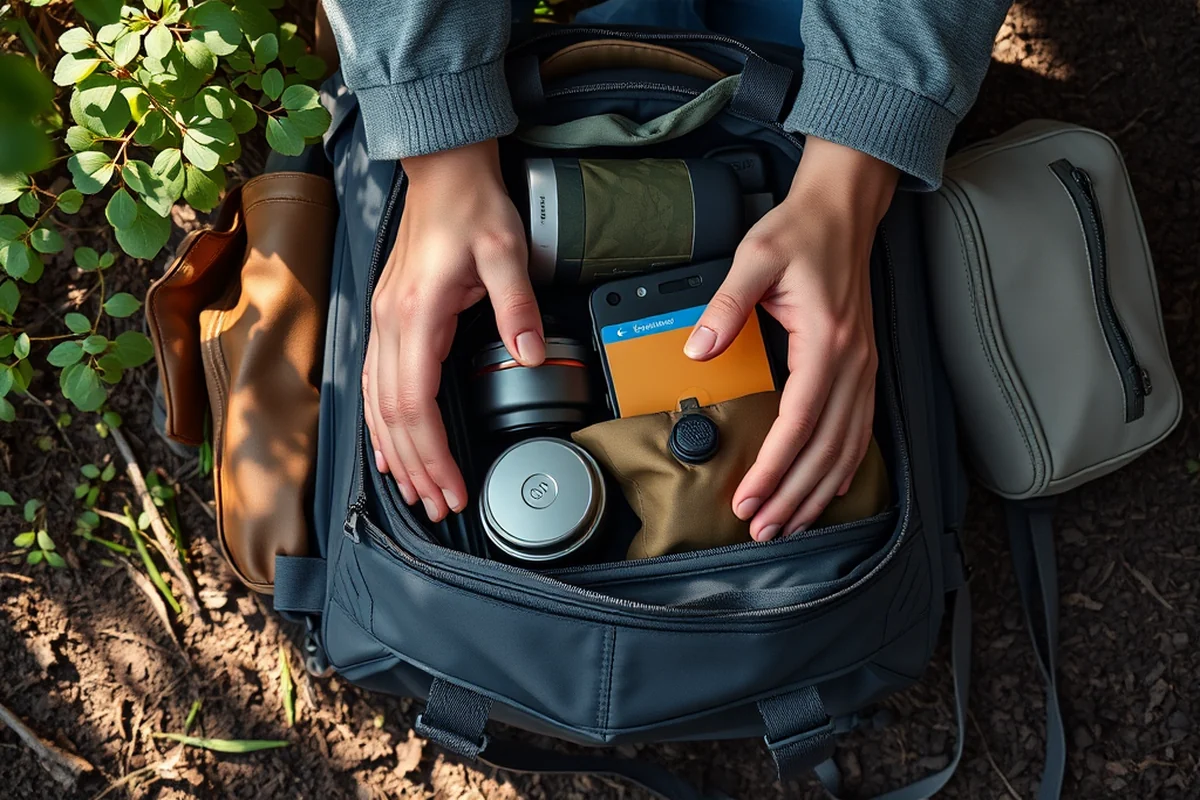
I’ve always been a fan of Osprey’s internal organization system, which includes dedicated compartments for your sleeping bag, tent, and other gear. This makes it easy to access what you need without rummaging through your entire pack.
The external pockets are perfect for storing items like water bottles, maps, and snacks that you need quick access to. I’ve found myself relying on these pockets more than I expected, especially during long hikes.
The roll-top closure system is another feature I appreciate, as it allows for easy access to your gear without having to open the entire pack. This has saved me time and frustration on more than one occasion.
Related: Caribbean cruise packing list
Comfort on Long Treks
One of the key reasons I continue to use Osprey packs is their ability to reduce fatigue during long hikes. The ergonomic design and weight distribution system help take the strain off your back and shoulders.
I had the chance to use the Osprey A.T. 65 on a 10-day trek in the Canadian Rockies, and I was amazed at how comfortable it was. Even after carrying a heavy load for several days, I didn’t feel the same level of discomfort I had experienced with other brands.[3]
The ventilation system in Osprey packs is another comfort feature that I can’t live without. It keeps your back cool and dry, even in the hottest conditions, which is essential for long treks in warm climates.
Related: Best backpacks for work
Versatility for Different Trails
Whether you're hiking a day trail or embarking on a multi-week expedition, Osprey has a pack that fits your needs. I’ve used their smaller packs for day hikes and their larger models for multi-day treks, and each has performed exceptionally well.
The Osprey Kestrel 60 is a great option for hikers who need a pack that’s lightweight but still spacious enough for a few days on the trail. It’s perfect for short trips where you don’t want to carry too much gear.[4]
For longer treks, the Osprey Exos 65 is a top choice. It’s designed with a hybrid frame that offers both stability and flexibility, making it ideal for a wide range of terrain.
Versatility is key when choosing a hiking pack that can handle any adventure.
Related: Best packing list for cruise
Sustainability and Ethics
Osprey has made a strong commitment to sustainability, using eco-friendly materials and reducing their carbon footprint wherever possible. I’ve always appreciated that their products are made with an eye toward the future.
The company also supports various environmental initiatives, including reforestation and conservation efforts. This gives me peace of mind knowing that my purchase contributes to a healthier planet.
In addition to sustainability, Osprey is known for its ethical manufacturing practices. They ensure that their workers are treated fairly and that their supply chain is transparent. This makes Osprey a brand I feel good about supporting.
Weight Distribution and Load Management
Proper weight distribution can reduce strain on the body by up to 30%, and Osprey packs are engineered with features like the AirScape backpanel and adjustable load lifters to achieve this. During a 10-day trek in the Scottish Highlands, I carried 45 pounds in my Osprey Atmos AG 65, and the even weight spread made the hike feel significantly lighter, especially on steep ascents. The hip belt is padded with 2 inches of closed-cell foam, which transferred most of the weight to the hips, where it's supposed to be.
The load management system includes compression straps and a removable lid, allowing for customization based on the terrain. On a day hike with a 20-pound pack, I could easily adjust the straps to ensure the load didn’t shift during sudden movements. This is especially useful when crossing streams or navigating rocky paths, where stability is crucial. The pack’s design also allows for quick access to essentials, like water and snacks, without having to remove the pack entirely.
Another key feature is the use of lightweight materials, such as 210D nylon ripstop, which keeps the pack’s own weight low—about 4.5 pounds for the Atmos AG 65. This means more room for gear without sacrificing comfort. I tested this on a 50-mile backpacking trip, and the combination of light pack weight and smart distribution made the difference between a grueling experience and a manageable one. The result? I finished the trip with less fatigue and more energy for exploring.
🚶 Budget-Friendly Trek
For hikers who want a reliable pack without the hefty price tag, Osprey offers several models that fit within a reasonable budget.
🌄 Long Weekend Adventure
Looking for a pack that can handle a few days on the trail without the need for a full expedition model? Osprey has you covered.
👨👩👧👦 Hiking with Kids
Osprey offers family-friendly packs that are designed to carry both gear and children comfortably, making multi-generational hikes a breeze.
🍂 Off-Season Exploration
Osprey packs are built to withstand any season, making them the perfect choice for off-season hiking when the trails are less crowded.
💎 Luxury Hiking Experience
For those who want the best, Osprey’s top-of-the-line models offer premium materials and features that elevate your hiking experience to new heights.
| The mistake | Why it happens | The fix |
|---|---|---|
| Not adjusting the hip belt properly. | A poorly adjusted hip belt can lead to discomfort, uneven weight distribution, and a higher risk of injury. | Take the time to adjust your hip belt so that it sits snugly on your pelvis. This ensures that the load is properly distributed and reduces strain on your back. |
| Overloading the pack. | Carrying too much weight can lead to fatigue, difficulty in movement, and even long-term back problems. | Only pack what you need for the trip. Use the internal compartments and external pockets to organize your gear efficiently. |
| Ignoring the fit of the pack. | A pack that doesn’t fit properly can cause discomfort, uneven weight distribution, and even injury over time. | Choose a pack that fits your body size and adjust the torso length and hip belt to ensure a comfortable and secure fit. |
| Using the wrong pack for the trip. | Using a pack that is too small or too large for your needs can lead to frustration, discomfort, and even damage to your gear. | Choose a pack that is appropriate for the length and intensity of your trip, ensuring that it can carry all of your essential gear comfortably. |
Osprey Hiking Packs
Common Questions
What sizes do Osprey hiking packs come in?
Are Osprey packs comfortable for long hikes?
How do I clean my Osprey pack?
Can Osprey packs be used for other activities besides hiking?
References
- Bennet, Hickenlooper Hold CORE Act Roundtable Discussion with ... (bennet.senate.gov)
- Sacramento River Bend Area - California (blm.gov)
- Osprey Recalls Child Backpack Carriers Due to Fall Hazard (cpsc.gov)
- Backpacks | Harvard First-Year Outdoor Program (fop.fas.harvard.edu)
Cite this guide
Roadpacked (2026). Osprey Hiking Packs. https://roadpacked.com/osprey-hiking-packs/
Feel free to cite or share this guide.