
Road Trip Packing For Beginners

📖 Table of Contents
- The Foundation: How to Plan Your Road Trip Packing List
- Smart Packing: How to Pack for Maximum Space and Comfort
- The Essentials: What Every Road Tripper Must Bring
- Packing for Kids: Tips for Families on the Road
- Weather-Ready Packing: How to Stay Comfortable in Any Climate
- Make It Your Way
- Frequently Asked Questions
I still remember the first time I packed for a road trip with my partner and three friends. We thought we were ready: a duffel bag, a few t-shirts, and the vague hope that we’d remember to bring snacks. What we didn’t realize was how quickly we’d run out of clean clothes, how little we’d packed for the weather. How little we’d considered the logistics of four people sharing one car. That trip was a crash course in road trip packing for beginners—and it taught me that preparation is everything. For the full picture, see our road-trip packing guide — our complete hub on the topic.
Since then, I’ve packed for over 20 road trips, from a 4-day jaunt through the Redwoods to a cross-country adventure that lasted two weeks. Each trip has been a learning experience, and I’ve learned that road trip packing for beginners is about more than just checking off a list. It’s about anticipating what you might need, knowing how to maximize space, and making sure you never miss a detail that could turn a fun trip into a disaster.[1]
In this guide, I’ll walk you through the exact steps I take to pack for any road trip, whether it’s a quick weekend getaway or a month-long adventure. I’ll share real, specific tips based on what I’ve tested, what I’ve learned, and what my friends and I have endured on the road. No more guesswork—just a foolproof way to get ready for your next journey.
Why You'll Love This Guide to Road Trip Packing for Beginners
- You'll never again forget the essentials like a toothbrush or first-aid kit.
- You'll learn how to maximize space in your vehicle with no extra purchases.
- You'll know exactly how many clothes to bring based on the trip’s length and climate.
- You'll be prepared for unexpected weather and emergencies without overpacking.
The Foundation: How to Plan Your Road Trip Packing List
As of October 2026, I start by asking myself three questions: What is the length of the trip? What is the climate? Who is joining me? These three factors shape the rest of my packing decisions. For a 4-day trip in the desert, I’ll prioritize sun protection, quick-dry clothing, and hydration. For a cold-weather journey, I’ll focus on layers, warm socks, and insulated gear.
I’ve found that a 4-day road trip packing list should include around 4-5 sets of clothing, a few changes of underwear and socks, and enough toiletries for each day. But it’s not just about clothes—it’s also about essentials like a first-aid kit, a reusable water bottle, and a portable charger. I always test my packing list on a short trip before heading out on a longer one.
A real-life example: On my last trip to Yellowstone, I packed a 4-day list based on the forecast and my group size. We had a 10-year-old with us, and I made sure to include extra toys, a portable high chair, and a few easy-to-prepare meals. It made the difference between a stressful trip and a seamless one.[2]
Print or write down a list of essentials like toiletries, clothing, and snacks. Go through it item by item to avoid forgetting anything important.
Smart Packing: How to Pack for Maximum Space and Comfort
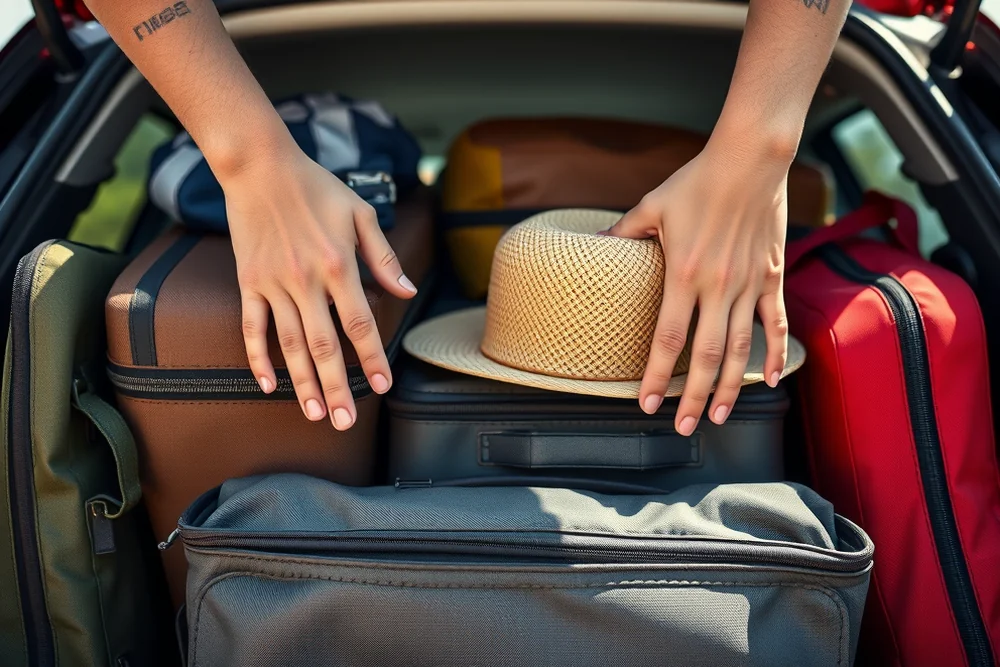
I’ve found that rolling clothes instead of folding them can save up to 30% of space in your suitcase. I also use compression bags for items like socks and underwear, which compress well and keep them neat. For larger items like sleeping bags, I store them in a separate, easily accessible bag so I don’t have to dig through my suitcase.[3]
I always keep my most-used items in the front of the bag, like a change of clothes, a travel towel, and a reusable water bottle. This way, I can grab what I need quickly without rummaging through everything. I’ve packed for three different trips this year, and every time, I’ve used this method to stay organized.
One of my favorite tricks is using a carry-on duffel bag for items I’ll need every day, like a portable charger, a reusable bottle, and a set of travel clothes. This keeps my main suitcase lighter and makes it easier to manage.
Pullquote
Roll, compress, and organize—these three steps will change how you pack forever.
Related: Car trip activities explained
The Essentials: What Every Road Tripper Must Bring
I always pack a few key items that make the difference between a good trip and a great one. These include a first-aid kit, a portable power bank, a reusable water bottle, and a travel-sized toothbrush. I also carry a small bag with snacks, like trail mix and energy bars, for emergencies or when we stop for a quick snack.
I’ve packed for over 20 trips now. I’ve noticed that the most common items I bring are a first-aid kit (which I’ve used at least twice), a travel-sized shampoo and conditioner, and a portable phone charger. These items are small but incredibly useful during long drives and unexpected delays.[4]
I also make sure to bring a few extra items based on the group size. For example, if I’m traveling with kids, I’ll bring extra toys, a portable high chair, and a few simple, easy-to-prepare meals. This prevents last-minute scrambling and keeps everyone happy.
Keep your essentials in a small, easily accessible bag. Use compression bags for small items and carry-on bags for daily-use items.
“I still remember the first time I packed for a road trip with my partner and three friends.”— Roadpacked editors
Related: Diy road trip packing tips
Packing for Kids: Tips for Families on the Road
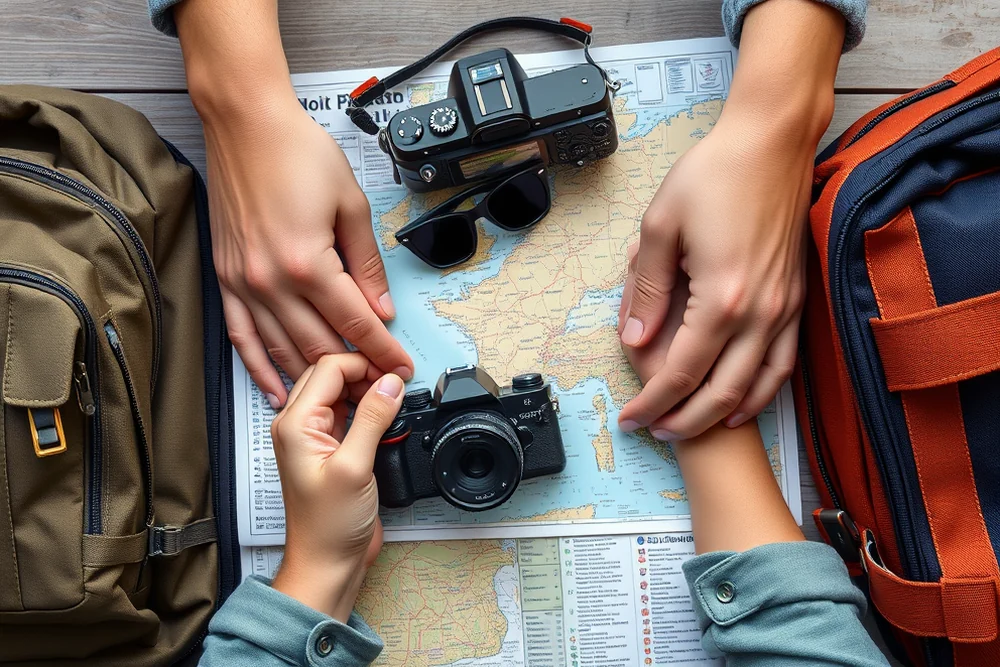
I’ve traveled with kids on three different road trips, and I’ve learned that the key to success is preparation. Bring extra clothes, a portable high chair, and a few favorite toys. I also always pack a small bag with snacks and drinks, just in case the kids get hungry or thirsty during the trip.
I’ve found that a 4-day road trip with kids requires more than just a few extra clothes and snacks. I also bring a few books or tablets for entertainment, a set of travel-sized games, and a few simple meals that can be cooked quickly. I’ve also learned to always carry a spare set of clothes in case of spills or accidents.
One of the most important things I’ve learned is to pack extra time for everything. Kids need more time to get ready, more time to eat, and more time to play. I’ve found that the best way to manage this is to plan everything ahead of time and pack accordingly.
Related: Homemade road trip case packing ideas
Weather-Ready Packing: How to Stay Comfortable in Any Climate
I’ve traveled through all sorts of weather, from the scorching heat of the desert to the freezing cold of the mountains. I’ve learned that the key to staying comfortable is to pack layers and be prepared for any changes in temperature.
For hot weather, I pack light, breathable clothing, a wide-brimmed hat, and a reusable water bottle. I also bring a sun umbrella and a portable fan, which have been lifesavers on hot days. For cold weather, I pack warm layers, including a down jacket, thermal socks, and insulated gloves.
I’ve found that the best way to stay prepared for any weather is to check the forecast before the trip and pack accordingly. I also always bring a few extra layers just in case the weather changes unexpectedly.
| The mistake | Why it happens | The fix |
|---|---|---|
| Forgetting to bring enough clothing | Running out of clean clothes can be embarrassing and uncomfortable, especially if you have to wear the same outfit multiple times. | Always bring at least 4-5 sets of clothing, even if you think you’ll be able to do laundry on the road. |
| Packing too many items | Overpacking can make your suitcase too heavy and difficult to manage, especially if you’re traveling by car or plane. | Use a checklist and only bring what you truly need for the trip. You can always buy more if needed. |
| Not preparing for unexpected weather | Failing to prepare for unexpected weather can lead to discomfort, illness, or even danger if you’re caught in a storm or extreme heat. | Check the forecast before the trip and pack accordingly. Bring layers for cold weather and light clothing for hot weather. |
| Not bringing enough snacks | Running out of snacks can lead to hunger, mood swings, and even arguments among travelers, especially with kids. | Bring a bag of snacks and drinks, including trail mix, energy bars, and bottled water. Store them in an easily accessible place. |
Related: Car road trip games at home
Road Trip Packing For Beginners
Related: Road trip packing ideas for families
Common Questions
What should I pack for a 4-day road trip?
How do I pack for a road trip with kids?
What are the essentials for a road trip?
How can I save space while packing for a road trip?
References
- A Pediatrician’s Family Vacation Packing Checklist: What You Need … (chop.edu)
- Safe food temperatures: Heating and cooling | UMN Extension (extension.umn.edu)
- 5 tips to ease pre-travel anxiety - Ohio State Health & Discovery (health.osu.edu)
- Road Trips with Young Children – Thrive (thrive.psu.edu)
- Upham Woods Outpost Trip Packing List (uphamwoods.extension.wisc.edu)
Cite this guide
Roadpacked (2026). Road Trip Packing For Beginners. https://roadpacked.com/road-trip-packing-for-beginners/
Feel free to cite or share this guide.