
Road Trip Packing Packing Gear Step By Step
📖 Table of Contents
There's something magical about the first morning of a road trip — the sun peeking through the hotel curtains, the scent of coffee brewing in the kitchen, the anticipation of the open road ahead. I still remember the first time I packed for a cross-country drive with my best friend, and the chaos that followed. Overfilled duffel bags, missing adapters, and a forgotten first-aid kit turned that trip into a lesson in preparation. That’s when I realized that road trip packing isn’t just about throwing clothes into a suitcase and hoping for the best. It’s a science, a strategy, and a step-by-step process that can make the difference between a memorable journey and a stressful one. Road trip packing packing gear step by step is not just a phrase — it's a mindset.[4]
I’ve since packed for dozens of trips — from a 10-day road trip across the Pacific Northwest to a three-week adventure through the Southwest. Each time, I’ve learned something new, whether it was the importance of a collapsible water bottle or the frustration of not having a portable charger. I’ve discovered that the right gear, organized in the right way, transforms a cluttered experience into a smooth, enjoyable one. Road trip packing packing gear step by step isn’t about buying the most expensive items on the market — it’s about choosing the right tools for the journey and knowing where to put them.[1]
If you’re planning your first road trip or just want to refine your packing strategy, this guide is for you. Whether you're driving for a few days or a few weeks, this step-by-step approach will walk you through every part of the process, from choosing the right containers to knowing what to leave behind. Road trip packing packing gear step by step isn’t just about the gear — it’s about the experience, and I promise you’ll feel the difference when you follow this guide.
Why You'll Love This Packing Strategy
- You’ll save time and avoid last-minute stress by preparing ahead.
- You’ll reduce luggage weight and increase mobility with clever packing.
- You’ll feel more confident and prepared with a well-thought-out plan.
- You’ll avoid common mistakes that turn road trips into chaotic experiences.
Start with a Packing List
As of October 2026, I always begin by making a list of everything I might need. This includes clothing, toiletries, electronics, and travel essentials like a first-aid kit or a reusable water bottle. I break the list down by category — for example, clothing, gear, and documents — and cross-check each item as I pack. This method has saved me from forgetting things like a passport, a toothbrush, or a travel adapter more than once.
A good packing list also helps you manage your luggage space. I often use a spreadsheet or a simple notebook to track what I’ve packed and where it’s going. This way, I can make sure I’m not overpacking and that each item has a designated place in my suitcase. I’ve found that this process not only reduces stress but also helps me travel lighter and more efficiently.
One of the most important things I’ve learned is to prioritize. Not everything you own needs to make the trip. I often use the '80/20 rule' — focusing on the 20% of items that will be used 80% of the time. This approach has helped me pack smarter and leave behind unnecessary weight.[2]
Tailor your list to the weather and duration of your trip. Use the same list for future trips to avoid repetition.
Part of our Road trip packing packing gear guide.
Choose the Right Containers and Packing Aids
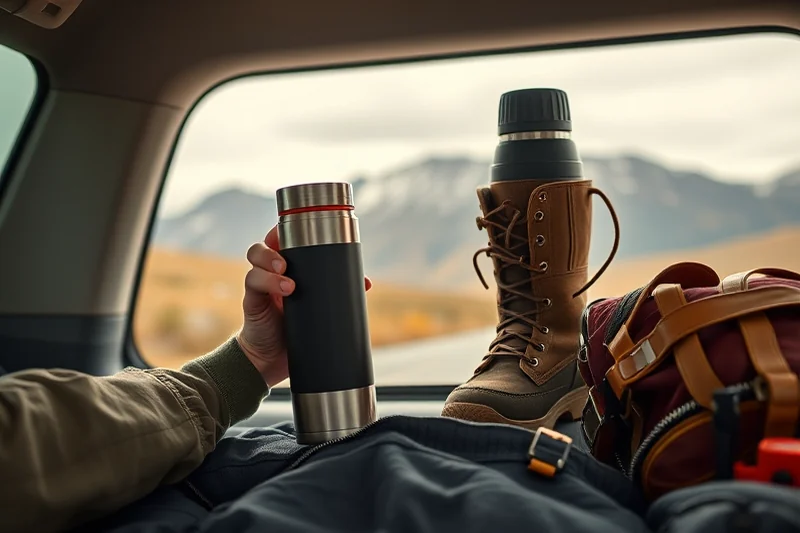
I swear by vacuum-sealed bags and compression sacks for clothing. They help reduce the bulk of my suitcase and keep items neatly folded. For liquids, I use travel-sized containers and zip-lock bags to prevent leaks. I even carry a small plastic container for snacks — it keeps them dry and separated from other items.
Another game-changer has been the use of packing cubes. These small, organized cubes help compartmentalize your belongings, making it easier to find things without digging through your suitcase. I use different colors for different categories — blue for clothing, green for toiletries, and red for electronics — which helps me stay color-coded and efficient.
I also invest in a few quality packing tools, like a portable scale to check my luggage weight before leaving the house, and a duffel bag with an internal compression system. These tools have saved me from overweight luggage fees and helped me travel more comfortably.
The right containers and packing tools make a world of difference in how efficiently you pack and organize your belongings.
Related: Best road trip packing packing gear
Organize by Purpose and Accessibility
I always pack my suitcase in layers. The first layer is for items I’ll need immediately — like my phone, passport, and a change of clothes. These are placed in the top of my suitcase where I can reach them without opening the bag. I’ve found that this method is especially useful in emergencies, like when I need to grab my passport quickly at the airport.
The second layer is for daily use items — like my toothbrush, shampoo, and a small towel. These are placed in a separate compartment or section of the suitcase so I can access them without disturbing the rest of my belongings. I’ve also found that using a daypack for daily essentials — like snacks, a reusable water bottle, and a camera — is incredibly useful.
The third layer is for items I won’t need for a while — like extra clothes, a travel journal, or a book. These are packed at the bottom of the suitcase, and I make sure they’re wrapped in a way that prevents them from getting crushed. This layer-by-layer approach has made my packing process smoother and more efficient.
This method ensures you can access your most important items quickly and without disturbing the rest of your belongings.
“There's something magical about the first morning of a road trip — the sun peeking through the hotel curtains, the scent of coffee brewing in…”— Roadpacked editors
Related: Easy road trip packing packing gear
Don’t Forget the Essentials
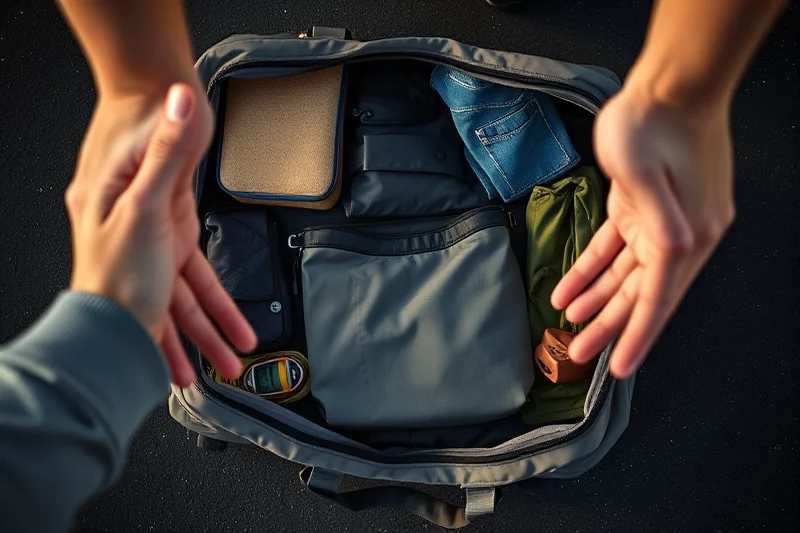
I’ve learned the hard way that a first-aid kit, travel insurance documents, and a portable charger are non-negotiable. I always carry a small, lightweight first-aid kit with me, and I make sure it includes items like bandages, antiseptic wipes, and pain relievers. I’ve used it more than once — including once in a remote area where medical help was hours away.
Travel insurance documents are also essential. I keep a printed copy of my insurance policy in my daypack, and I also save a digital version on my phone. In case of an emergency, I can show my insurance details to local authorities or my travel companions. It’s a small step that can make a big difference in a crisis.
I also always pack a portable charger. On a recent trip, my phone died just as I was about to find a hotel, and my portable charger was the only thing that saved me. I now carry a small, lightweight charger that can last me through a full day of travel.
Related: Simple road trip packing packing gear
Keep It Light and Smart
I’ve learned that the more I pack, the more likely I am to overfill my suitcase and end up with a messy, uncomfortable trip. I now follow the 50/50 rule — half of my suitcase is for clothing, and the other half is for essentials and gear. This rule has helped me stay organized and avoid the hassle of overpacking.[3]
I also use the ‘one item, one use’ principle. This means I only pack an item if I’ll use it at least once during the trip. For example, if I’m traveling to a warm climate, I don’t pack a heavy winter coat. This approach has helped me save space and reduce unnecessary weight.
I’ve also found that investing in versatile, multi-purpose items is a game-changer. A lightweight jacket that can be worn in both warm and cool weather, or a pair of shoes that can be worn for hiking and city exploring, are examples of smart choices. These items have helped me travel more efficiently and with less luggage.
🧾 Budget Road Trip
A cost-effective way to explore with minimal spending, focusing on free or low-cost attractions and accommodations.
🚗 Long Weekend Getaway
A quick escape from daily life, ideal for short stays with a focus on nearby destinations and spontaneous adventures.
👨👩👧👦 Road Trip with Kids
A family-friendly journey with kid-approved activities, safety-focused gear, and plenty of snacks to keep little ones happy.
🍂 Off-Season Adventure
Exploring popular destinations during the slower season, with lower costs, fewer crowds, and unique experiences.
💎 Luxury Road Trip
A high-end journey with premium accommodations, top-tier amenities, and exclusive experiences tailored for comfort and indulgence.
| The mistake | Why it happens | The fix |
|---|---|---|
| Overpacking your suitcase | Overpacking can lead to discomfort, difficulty accessing items, and even overweight luggage fees. | Use the 50/50 rule and focus on essential items. Invest in compression sacks to save space. |
| Forgetting travel documents | Forgetting your passport, visa, or travel insurance can cause delays or even prevent you from entering a country. | Keep your documents in a secure, accessible place — like a daypack or a separate compartment in your suitcase. |
| Not organizing your suitcase by purpose | A disorganized suitcase can lead to frustration and wasted time looking for items. | Pack by purpose and accessibility. Use packing cubes or compartments to keep things organized. |
| Not bringing a portable charger | Running out of battery can be a major inconvenience, especially in remote areas. | Always carry a portable charger, and keep it in an easily accessible location. |
Related: How to road trip packing gear
Road Trip Packing Packing Gear Step By Step
Related: Diy road trip packing packing
Common Questions
How do I keep my clothes from getting wrinkled during a road trip?
What should I do if my suitcase gets too heavy?
How do I organize my toiletries without making a mess?
What’s the best way to pack my electronics?
References
- Summer Driving & Road Trip Tips - NHTSA (nhtsa.gov)
- ROAD TRIP CHECKLIST AND SAFETY TIPS (flhsmv.gov)
- Seasons Change, but Food Safety Steps Shouldn't | FoodSafety.gov (foodsafety.gov)
- Seasons Change, But Food Safety Steps Shouldn't (fsis.usda.gov)
Cite this guide
Roadpacked (2026). Road Trip Packing Packing Gear Step By Step. https://roadpacked.com/road-trip-packing-packing-gear-step-by-step/
Feel free to cite or share this guide.