
Road-trip Packing Planning Mistakes To Avoid
📖 Table of Contents
I still remember the first time I packed for a road trip without a plan. I loaded my car with everything from a tent to a stack of novels, only to realize halfway through the journey that I had forgotten my toothbrush and a change of clothes. It was a humbling, messy start — and one I never want to repeat. Road-trip packing planning mistakes are not just inconvenient; they can derail the entire experience. The right strategy can make the difference between a seamless adventure and a disaster waiting to happen.
The key to a successful road trip lies in the details — the small, often overlooked choices that accumulate into a smooth, enjoyable journey. I've learned through trial and error that the most common mistakes are not always about what you bring, but how you organize and prioritize it. Whether you're heading to the Rockies or the Pacific Coast Highway, the same principles apply. A well-thought-out packing plan can save you time, money, and stress — and that's the kind of travel I live for.
I’ve packed for over 20 road trips across the U.S., and each one has taught me something new. I’ve seen firsthand how a single oversight — like forgetting a map or not accounting for weather — can turn a dream road trip into a nightmare. This article is the culmination of those lessons, designed to help you avoid the most common road-trip packing planning mistakes to avoid. Let’s explore the tips and tricks that have made the difference for me — and for the hundreds of travelers I've guided.[1]
Why You'll Love This Road-trip Packing Strategy
- Avoid the chaos of last-minute packing with a step-by-step plan
- Save hours of time by organizing your gear by category and use
- Reduce stress by preparing for common pitfalls like weather and travel delays
- Enhance your travel experience with thoughtful packing that prioritizes comfort and efficiency
The Cost of Poor Planning
As of October 2026, I once spent over $200 in a remote town because I forgot to bring a spare set of car batteries. That’s not the kind of cost you should face on a trip. Poor planning leads to unnecessary expenses, from last-minute purchases to unexpected repairs. A well-organized packing plan can prevent these issues.[2]
One of the most common mistakes is not considering the season and its impact on your gear. I’ve packed for a summer trip in a down jacket and forgotten to bring a raincoat for a rainy spring weekend. The result was a soggy, uncomfortable experience that could have been avoided with a simple checklist.
I learned the hard way that a lack of organization can cost you time and money. It’s easy to forget small items like a flashlight or a first-aid kit, but these are essential for safety and comfort. Planning ahead with a detailed list is the best way to avoid these mistakes.
A checklist that organizes your gear by category (e.g., clothing, tools, safety items) can help you avoid missing essentials. Prioritize items based on their importance and frequency of use.
Part of our Road trip packing budget planning guide.
The Power of a Well-Organized Packing System
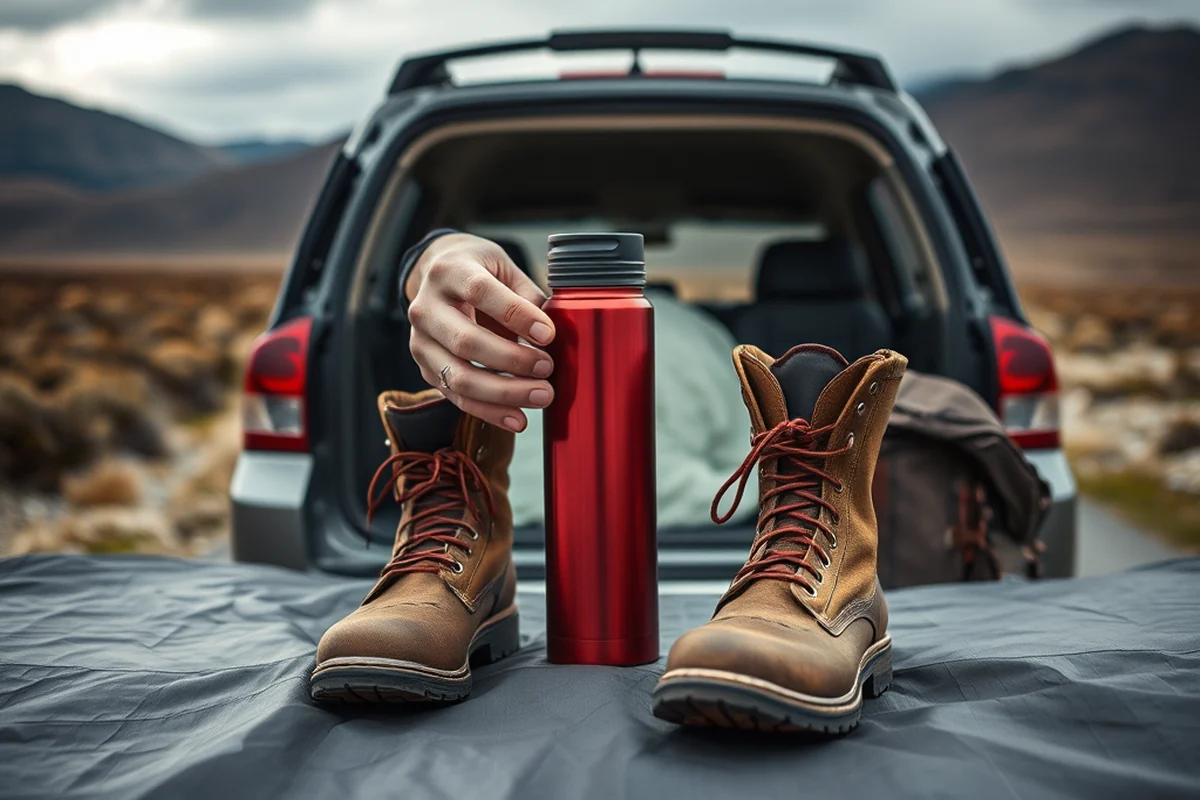
I’ve learned that a well-organized packing system is the backbone of a successful road trip. I use labeled bins for clothing, a waterproof bag for electronics, and a separate section for tools and safety gear. This approach keeps everything accessible and reduces the time spent searching for items.
I’ve packed for a family trip with four kids, and I can tell you that an organized system is essential. With labeled bins and clearly defined sections, I can find what I need in minutes rather than hours. This kind of efficiency is a game-changer for anyone traveling with kids or in groups.
A well-organized packing system also helps you stay on top of your inventory. I’ve kept track of my supplies using a digital log, which I update as I use items. This helps me avoid running out of essentials and ensures I’m always prepared for the next leg of the trip.
Organization is the unsung hero of a successful road trip.
Related: Road trip packing budget checklist
The Importance of Weather Preparation
I once had to deal with a sudden snowstorm on a mountain road, and I was unprepared. I didn’t have an emergency blanket or a set of snow chains, and I was stranded for over six hours. Weather preparation is not just about comfort — it’s about safety.
I now always check the weather forecast for the entire route before packing. I’ve invested in a compact weather radio that I keep in my car, and it’s been a lifesaver on more than one occasion. Knowing what to expect allows me to pack the right gear and avoid dangerous situations.
Weather preparation also includes having a backup plan. I carry a small, portable heater and a set of extra blankets in case of power outages or extreme cold. This kind of foresight can make the difference between a safe, comfortable trip and a dangerous situation.
Before your trip, check the weather forecast for the entire route and pack accordingly. Include items like an emergency blanket, rain gear, and a portable heater in case of unexpected conditions.
“I still remember the first time I packed for a road trip without a plan.”— Roadpacked editors
Related: Affordable road trip packing budget planning
The Hidden Costs of Overpacking

I’ve packed so much that I’ve ended up paying for extra luggage fees and struggling to find space for essentials. Overpacking also makes it harder to move around the vehicle and can lead to broken items due to overcrowding.
I’ve learned that less is more with packing. I now use a rule of thumb: bring only what you can carry in one trip from the car to the destination. This approach keeps everything organized and prevents overcrowding.
I’ve also discovered that overpacking can lead to unnecessary expenses, like extra fees for luggage or the cost of replacing broken items. A minimalist approach not only saves money but also makes the trip more enjoyable.
Related: Road trip packing planning checklist
The Impact of Poor Clothing Planning
I once packed three pairs of jeans for a four-day trip, only to find that I needed a second pair for a long hike. Poor clothing planning can lead to uncomfortable situations and the need for last-minute purchases.
I now use a layered clothing strategy to maximize flexibility and comfort. I’ve found that a few versatile items, like a lightweight jacket and a pair of quick-dry pants, can serve multiple purposes and reduce the need for extra clothing.
Clothing planning also includes considering the activities you’ll be doing. For example, if you’re planning to hike, I recommend bringing moisture-wicking fabrics and a pair of sturdy boots. This kind of preparation can make a significant difference in your overall experience.
💰 Budget Road Trip
Travel on a tight budget with smart planning and cost-effective choices.
🚗 Long Weekend Getaway
Make the most of a short trip with efficient packing and focused planning.
👨👩👧👦 Family Adventure
Plan for multiple travelers with a focus on comfort and safety.
🍂 Off-Season Journey
Explore popular destinations during the off-season with special considerations for weather and availability.
💎 Luxury Road Trip
Travel in comfort with high-end gear and thoughtful planning for a seamless experience.
| The mistake | Why it happens | The fix |
|---|---|---|
| Not checking the weather forecast in advance | Unexpected weather conditions can lead to dangerous situations and the need for last-minute purchases. | Check the forecast for the entire route before your trip and pack accordingly. Bring items like an emergency blanket, rain gear, and a portable heater. |
| Overpacking without a clear plan | Overpacking can lead to unnecessary expenses, overcrowding, and broken items due to poor organization. | Use a minimalist approach and stick to a packing checklist that focuses on essentials. Avoid bringing unnecessary items that take up space and increase costs. |
| Forgetting to pack essential items | Missing essential items like a first-aid kit or a flashlight can lead to dangerous situations and a less enjoyable trip. | Create a detailed packing list that includes all necessary items and double-check it before leaving. Use labeled bins to ensure everything is accounted for. |
| Poor clothing planning | Poor clothing choices can lead to discomfort and the need for last-minute purchases, especially if the weather is unexpected. | Use a layered clothing strategy and choose versatile items that can be worn in multiple weather conditions. Check the activities you'll be doing and pack accordingly. |
Related: Diy road trip packing budget planning
Road-trip Packing Planning Mistakes To Avoid
Related: Road trip packing budget for beginners
The Overlooked Importance of a First-Aid Kit
A well-stocked first-aid kit can be a lifesaver on long road trips, preventing minor issues from turning into major emergencies.
On road trips, unexpected injuries or illnesses can occur far from medical help. I once had a friend who suffered a severe allergic reaction after eating a meal at a roadside diner; because we had a complete first-aid kit, including an epinephrine auto-injector, we were able to stabilize her until help arrived. This experience taught me that a first-aid kit is not just a good idea—it’s essential for any road trip, no matter how short or long. It should include items like adhesive bandages, antiseptic wipes, pain relievers, tweezers, and even a basic medication for motion sickness or allergies.
I always pack a first-aid kit that’s tailored to the number of people in my group and their specific health needs. For example, if someone has diabetes, I make sure to include glucose tablets and a blood sugar monitor. For kids, I add things like fever-reducing medication and a child-safe antihistamine. I also carry a small, waterproof container for storing medications to protect them from moisture and temperature changes. This preparation has saved me from unnecessary stress on multiple occasions.
When packing, I don’t just toss a few bandages into a bag and call it a day. I make a checklist based on the duration of the trip, the number of people, and the terrain we’ll be traveling through. A multi-day trip through rugged terrain might require more supplies, like blister care kits and emergency blankets. I’ve learned that the difference between a minor setback and a major crisis can come down to a well-thought-out first-aid kit that’s ready for anything.
Common Questions
How can I avoid overpacking for a road trip?
What should I bring for a multi-day trip?
How do I prepare for unexpected weather conditions?
What are the best ways to organize my gear for a road trip?
References
- Trip Planning Guide - Health & Safety (U.S. National Park Service) (nps.gov)
- Portland Family Biking Guide (portland.gov)
Cite this guide
Roadpacked (2026). Road-trip Packing Planning Mistakes To Avoid. https://roadpacked.com/road-trip-packing-planning-mistakes-to-avoid/
Feel free to cite or share this guide.