
Road-trip Packing Food For Beginners
📖 Table of Contents
I remember the first time I packed for a road trip with my partner — I had no idea where to start. I filled my car with snacks, but within two hours, we were both bored with the same trail mix and running out of drinks. It wasn’t until I learned a few smart tricks that I realized how much of a difference thoughtful planning could make. Road-trip packing food for beginners is about more than just filling a cooler; it’s about creating meals that keep your energy up, your mood bright, and your budget intact.[1]
Packing food for a road trip doesn’t have to be overwhelming. I’ve traveled thousands of miles across the U.S., from the high deserts of New Mexico to the misty forests of Washington. Each trip taught me something new about how to balance variety, cost, and convenience. Whether you're heading for a week or just a long weekend, the key is to plan ahead and bring foods that are easy to store, easy to eat, and still satisfying. I’m not here to tell you to eat out every day — that’s expensive and exhausting — but I am here to help you avoid the same mistakes I did.
One of the most important things I learned was that food is the glue that holds a road trip together. When you're on the move, meals become more than just sustenance — they’re a chance to bond with your travel companions, take a break from driving, and stay energized for the miles ahead. Road-trip packing food for beginners starts with understanding how to build a balanced menu, choose the right storage containers, and plan meals that are light on your wallet and heavy on flavor.
Why You'll Love This Road-Trip Food Guide
- You'll save money by avoiding expensive roadside meals and gas station snacks.
- You'll avoid the hunger and fatigue that come from relying on fast food alone.
- You'll have more time to enjoy your trip — no waiting in line for burgers or takeout.
- You'll reduce food waste by planning meals ahead and packing only what you need.
Why Planning Meals Ahead Matters
As of October 2026, when I first started planning road trips, I thought I’d just bring snacks and rely on gas stations or restaurants. But after a few trips, I realized how quickly that approach failed. I’d end up with an empty cooler by the third day, or worse, I’d spend more money on food than I had budgeted for the entire trip.
Now, I plan my meals ahead of time, and I use a simple formula: 3 meals a day, 2 snacks, and 1-2 drinks per person. For a 4-day trip with two people, that means 24 meals, 16 snacks, and 8 drinks. That number might seem high, but it’s not when you consider how fast you burn through food while traveling.[2]
I’ve found that planning meals ahead also helps me choose more nutritious options. For example, I might pack a bag of frozen meals that I reheat in the microwave, or a few jars of hummus and a box of whole grain crackers. This approach keeps me full and energized for the long drives ahead.
Use a simple formula: 3 meals a day, 2 snacks, and 1-2 drinks per person. This helps you avoid running out of food or overspending on roadside meals.
Part of our Road trip packing food stops guide.
How to Choose the Right Foods for Your Trip
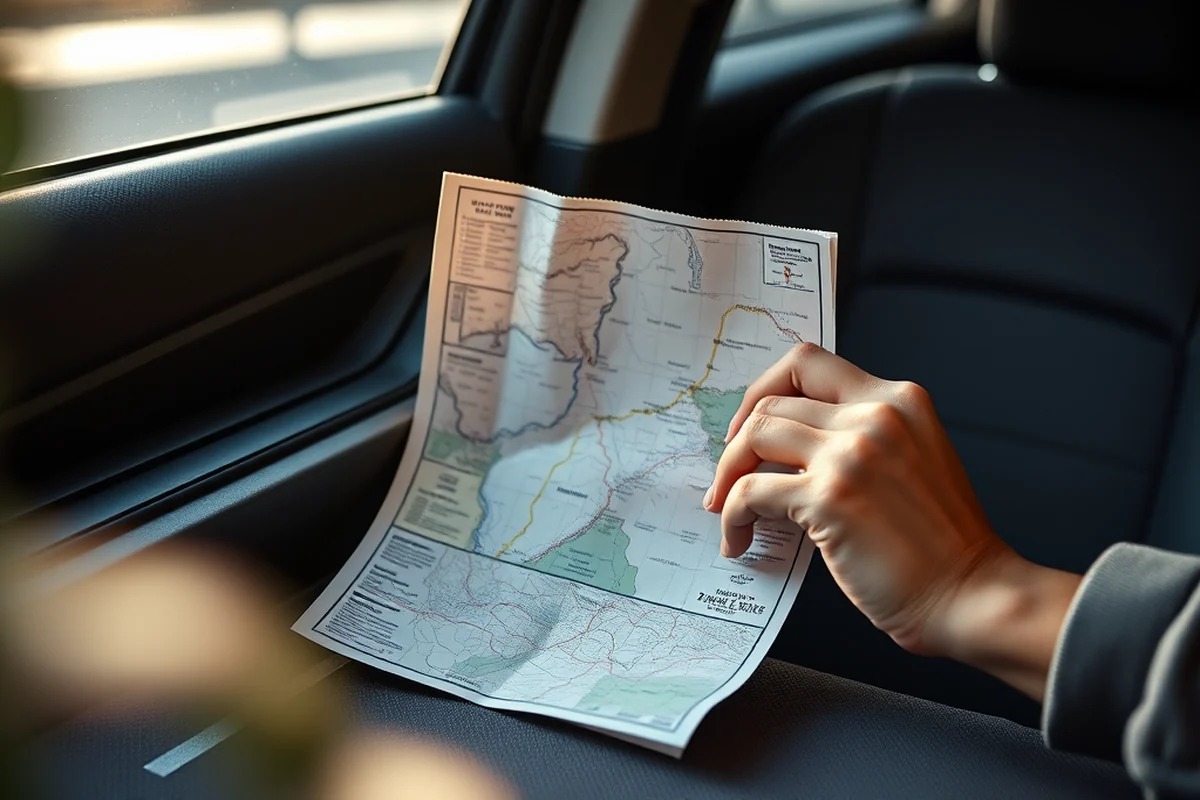
When I’m packing food for a road trip, I prioritize foods that don’t need refrigeration and don’t spoil quickly. Think of things like jerky, dried fruits, nuts, and canned soups. I also bring a few meals that can be heated up — like frozen dinners or instant ramen — just in case I’m staying somewhere with a microwave.
One of the biggest mistakes I made early on was bringing too many perishable items. I thought I’d be able to use the hotel fridge. Often we ended up staying in places with no fridge at all, or one that was way too small for what I had brought.
I now pack everything in sealed containers and label them clearly. This makes it easier to organize and find what I need without opening multiple bags. It also keeps the food fresher for longer.
Pack foods that are easy to store and eat on the go — no more fridge-dependent meals.
Related: Road trip planner for stops
How to Save Money on Food While Traveling
I used to think that eating out was the only way to enjoy good food while on the road. But over time, I realized that packing meals was not only more cost-effective but also more satisfying. For example, a frozen dinner from the grocery store costs around $3.50, while a meal at a restaurant can be $15 or more.
Another way I save money is by buying in bulk. I buy things like pasta, canned beans, and frozen vegetables in bulk and store them in my freezer at home. This way, I can pack meals for multiple trips without having to buy new ingredients every time.
I’ve also found that bringing a reusable water bottle and a few snacks like trail mix and dried fruit helps me avoid buying expensive drinks and snacks at gas stations or restaurants.
Buy perishable and non-perishable items in bulk and store them in your freezer or pantry. This way, you can prepare meals for multiple trips without having to buy new ingredients each time.
“I remember the first time I packed for a road trip with my partner — I had no idea where to start.”— Roadpacked editors
Related: Healthy road trip snacks
How to Store Your Food for a Road Trip
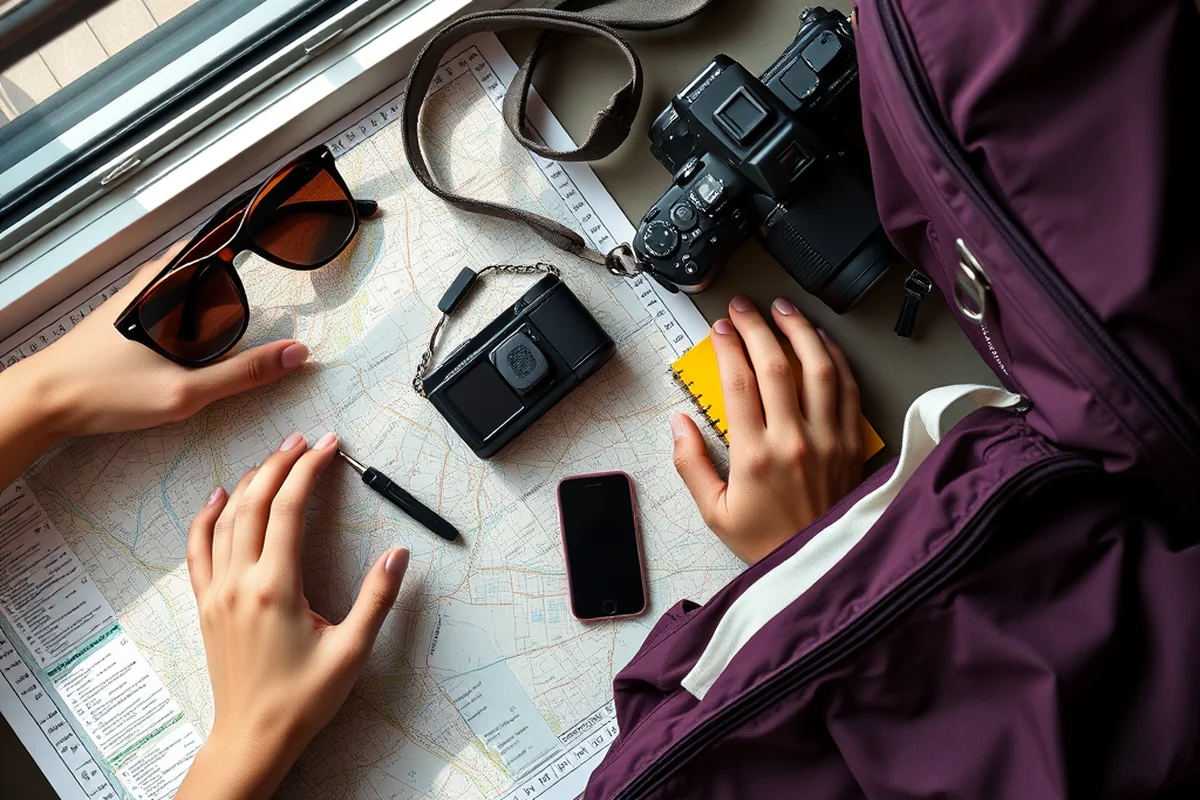
I learned the hard way that if you don’t store your food properly, it can get crushed in the car, or worse — it can spoil and make you sick. That’s why I now use vacuum-sealed bags and heavy-duty containers to store all my food. These containers are leak-proof and stackable, which makes them perfect for packing in a car.
I also bring a small insulated cooler for any perishable items that need to stay cold, like dairy products or fresh fruits. This cooler is essential for trips that include hotel stays where I don’t have access to a fridge.
One of the most useful things I’ve ever bought for road trips is a set of collapsible containers. These are lightweight and easy to store, and they help me separate different types of food to avoid mixing flavors or getting things messy.
Related: How to plan a road trip with multiple stops
How to Keep Your Energy Up on the Road
I used to think that eating a lot of snacks would keep me energized, but after a few long drives, I realized that wasn’t the case. I’d be full for an hour, then hungry again, and it would make me irritable and tired.
Now I focus on eating balanced meals that include protein, healthy fats, and complex carbohydrates. For example, I might have a sandwich with turkey, cheese, and whole grain bread, or a bowl of soup with vegetables and beans.
I also bring some light snacks for quick energy — like nuts, dried fruits, and granola bars — but I make sure not to overdo it. Too much sugar or too many carbs can leave me feeling sluggish later on.
💰 Budget Road Trip
Travel smart without breaking the bank by packing meals and snacks that are affordable and easy to store.
🚗 Long Weekend Escape
Take a quick but fulfilling road trip with meals that are easy to prepare and light on your wallet.
👨👩👧👦 Road Trip with Kids
Pack food that’s kid-friendly and keeps little ones happy, full, and entertained for hours on the road.
🍂 Off-Season Adventure
Travel during the off-season with meals that are easy to carry and perfect for cooler weather.
💎 Luxury Road Trip
Enjoy a more refined experience with meals that are gourmet yet still easy to pack and prepare.
| The mistake | Why it happens | The fix |
|---|---|---|
| Bringing too many perishable items | Perishable items require refrigeration, and not all hotels or accommodations have a fridge available. | Stick to non-perishable items or bring a small insulated cooler with ice packs for perishables that need to stay cold. |
| Packing too many snacks | Too many snacks can be overwhelming and lead to overeating, which can make you feel sluggish and tired on the road. | Pack a few light snacks for quick energy, but make sure they’re balanced and not too high in sugar. |
| Ignoring the storage of food | Failing to store food properly can lead to spills, crushed food, or even food spoilage if you’re not careful. | Use vacuum-sealed bags or heavy-duty containers to keep food fresh and prevent spills during the trip. |
Related: Road trip snacks
Road-trip Packing Food For Beginners
Related: Affordable road trip packing food
How to Handle Food Waste and Leftovers on the Road
Managing food waste and leftovers during a road trip requires smart planning and organization to minimize waste and maximize enjoyment.
I’ve learned that packing foods with longer shelf lives, like dried fruits, nuts, and jerky, helps reduce waste because they don’t spoil easily. I also bring reusable containers to repurpose leftovers for meals on subsequent days. For example, leftover grilled chicken can be turned into a quick sandwich or tossed into a salad for the next stop. This approach not only cuts down on food waste but also saves time and money by reducing the need to buy new meals each day.
When I’m traveling with a group, we make a point to track what’s been eaten and what’s left. We keep a shared note on our phones or a small whiteboard in the car to log leftovers and plan meals accordingly. This has helped us avoid overpacking and has made it easier to repurpose meals in creative ways. I once turned leftover rice into fried rice with veggies and eggs at a roadside stop, which was both satisfying and budget-friendly.
Another key tip is to avoid overpacking perishable items unless you’re sure you’ll eat them all. I’ve found that buying small quantities of perishables like cheese, yogurt, or fresh fruit and eating them within a day or two keeps waste to a minimum. Additionally, I always check the fridge and cooler before packing to ensure nothing is already going bad. This small step has made a huge difference in how much food I actually end up using on my trips.
Common Questions
How do I keep my food fresh during a long road trip?
What are some good snacks to bring on a road trip?
How can I save money on food while traveling?
What should I avoid bringing on a road trip?
References
- Food Safety While Hiking, Camping & Boating (fsis.usda.gov)
- Ten tips for a successful family vacation! - MSU Extension (canr.msu.edu)
Cite this guide
Roadpacked (2026). Road-trip Packing Food For Beginners. https://roadpacked.com/road-trip-packing-food-for-beginners/
Feel free to cite or share this guide.