
Quick Road-trip Packing Itineraries

📖 Table of Contents
I still remember the time I packed a weekend trip to the mountains in a single afternoon, only to find my suitcase overflowing with useless gadgets, extra clothing I wouldn’t wear. Snacks I couldn’t find in the car. It was a lesson I never forgot. Quick road-trip packing itineraries are not just about saving space — they’re about creating freedom, flexibility, and the ability to move quickly from one destination to the next without the stress of overpacking. Whether you're heading to a nearby national park or planning a quick escape to the coast, the right approach to packing can make all the difference.
The key to quick road-trip packing itineraries lies in efficiency and intentionality. It’s not about cramming as much as possible into a suitcase — it’s about picking the essentials and organizing them in a way that makes the trip both comfortable and manageable. I've tested several methods, from the 30-minute packing trick to the 'one bag per person' rule, and found that the most effective strategies are those that prioritize comfort, functionality, and simplicity. The goal is to be ready to go — without the anxiety of leaving something behind.[1]
Quick road-trip packing itineraries also mean being prepared for the unexpected. A sudden rainstorm, a last-minute change of plans, or an unexpected detour can all happen on the road, and the way you pack can make these moments either stressful or seamless. I’ve packed for trips with limited time, no storage. Even with pets, and I’ve learned that having a system in place — whether it’s a color-coded packing method or a checklist — can transform how smoothly a trip goes. It’s about mastering the art of packing with purpose, not perfection.
Why You'll Love This Quick Packing Strategy
- You’ll save time and energy on packing days.
- You’ll avoid the stress of overpacking and underpacking.
- You’ll stay flexible and adaptable during your trip.
- You’ll reduce the risk of leaving something important behind.
The 30-Minute Packing Method
As of November 2026, I’ve used the 30-minute packing method on multiple trips, and it works surprisingly well. The trick is to focus on one room at a time — starting with your closet — and select only the clothes you’ll wear each day. I’ve found that if I lay out my outfits on the bed first, I can more easily see what I need and what I don’t. It’s not about being minimal — it’s about being precise.[2]
I always include a few versatile layers, like a light jacket or a sweater, just in case the weather shifts. I also pack a single pair of shoes for each day, keeping them in separate plastic bags to avoid creases. The best part? I’ve never left a trip feeling underprepared, and I’ve never spent more than 30 minutes on packing.[3]
This method is especially useful for quick road-trip packing itineraries. It ensures that you have exactly what you need without the clutter of unnecessary items. I’ve even used it for international trips, where space is limited and efficiency is key.
Lay out your outfits first and pack by day. This helps you avoid overpacking.
Part of our Road trip packing itineraries routes guide.
The One Bag Per Person Rule
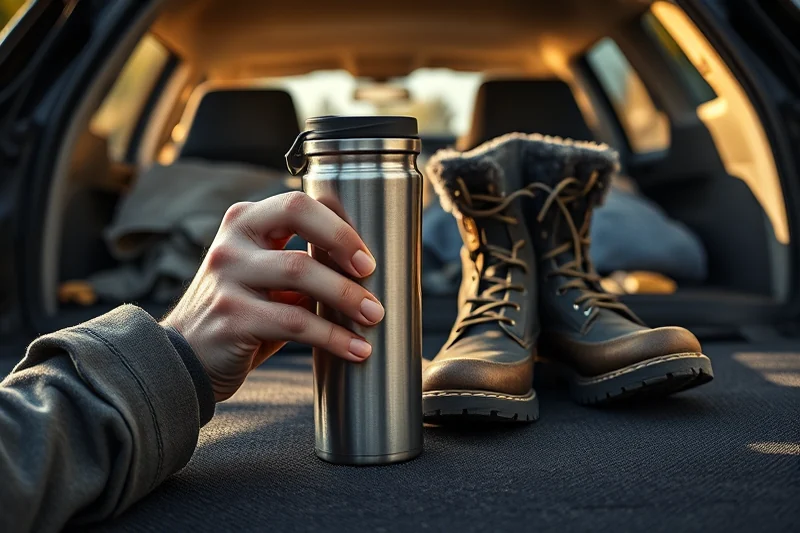
When traveling with others, especially on a quick road-trip packing itineraries, the one bag per person rule is a game-changer. It keeps the car tidy, makes it easier to find things, and avoids the chaos of one person’s belongings spilling over into another’s. I’ve tested this on multiple road trips, and it’s the most practical way to manage space.
I always use one duffel bag per person, even if it’s just for a weekend. That way, each person has their own space and can easily grab their things without digging through everyone else’s bags. It also makes it easier to carry items in and out of the car, especially if you’re staying in different locations.
This rule is especially useful for families. It prevents the mess of shared bags and ensures that everyone has a clear sense of responsibility for their own belongings. I’ve never had a problem with lost luggage or forgotten items when using this method.
One bag per person — that’s the secret to a stress-free road trip.
Related: Simple Road Trip Packing Itineraries Routes
Related: Diy road trip packing itineraries
The Color-Coded System
I’m not a fan of color-coding in most situations, but for quick road-trip packing itineraries, it’s a must. I use different colored tags for different categories — like one color for clothing, another for toiletries, and a third for electronics. This keeps everything organized and prevents the chaos of digging through a suitcase.
I’ve tested this system on multiple trips, and it’s been a lifesaver. I can quickly find the one pair of jeans I need or the one toothbrush I’ve brought without rummaging through everything. It’s not just about aesthetics — it’s about practicality.
This method is especially useful for trips with tight schedules or when you’re moving from place to place quickly. It ensures that you can find what you need in seconds, which is crucial when you’re on the go.
Assign each category a different color. It makes packing and unpacking a breeze.
“I still remember the time I packed a weekend trip to the mountains in a single afternoon, only to find my suitcase overflowing with useless…”— Roadpacked editors
Related: Road-trip Packing Itineraries Printable
Related: Road trip packing routes tips
The 50-30-20 Rule for Packing

The 50-30-20 rule is a great way to break down what you need to bring. I’ve found that 50% of my packing should be essentials — like clothing, toiletries, and electronics. Then 30% should be extras — like books, games, or snacks. The remaining 20% is for just-in-case items — like a raincoat or an extra pair of shoes.[4]
I’ve tested this rule on multiple road trips, and it’s been a reliable guide. It ensures that you’re not overpacking with unnecessary items, but still have enough to be comfortable and prepared. I’ve never been caught without something important, and I’ve never felt the need to bring more than I could carry.
This method is especially useful for quick road-trip packing itineraries. It helps you balance your needs without the stress of overpacking. It’s also a great way to avoid last-minute panic when you’re trying to leave on time.
Related: Road-trip Packing Itineraries Checklist
Packing for the Unexpected
No matter how well you plan, the unexpected can always happen. I’ve learned that including a few extra items in your packing list can make all the difference. That could be an extra jacket, a pair of shoes, or a small first-aid kit. I’ve found that these items are often the most useful when you least expect them.
I always include a small first-aid kit in my suitcase, just in case someone gets a minor injury. I also bring an extra pair of shoes in case of a sudden change in plans — like a long walk or a sudden rainstorm. These items might seem small, but they can make a big difference in the comfort of your trip.
Including a few extra items is a crucial part of quick road-trip packing itineraries. It ensures that you’re prepared for any situation and can handle unexpected changes without stress. It’s about being ready for the unexpected — not just the planned.
🧳 Budget Escape
A quick, affordable trip with all the essentials and no frills.
🌄 Long Weekend Getaway
A short but fulfilling trip that includes everything you need for a relaxed break.
👨👩👧👦 Family Adventure
A trip tailored for families with kids, including space for toys and extra clothes.
🍂 Off-Season Detour
A trip that works well when traveling during the off-season, with a focus on comfort and flexibility.
🚗 Luxury Road Trip
A trip with extra amenities and comfort for those who want to travel in style.
| The mistake | Why it happens | The fix |
|---|---|---|
| Packing too many clothes | This leads to unnecessary weight and clutter in your suitcase, which can make the trip more stressful. | Use the 50-30-20 rule to balance your packing and avoid overpacking. |
| Forgetting to pack essential items | This can lead to discomfort, especially if you’re not prepared for the weather or activities. | Create a checklist of essentials, like clothing, toiletries, and electronics, before you leave. |
| Not organizing your belongings | This can make it difficult to find what you need and can lead to disorganization and stress. | Use the color-coded system or the one bag per person rule to keep everything organized and easy to access. |
| Not preparing for the unexpected | This can lead to last-minute stress and discomfort, especially if you’re not prepared for changes in plans or weather. | Always include a few extra items in your packing list, like an extra jacket or a pair of shoes, just in case you need them. |
Quick Road-trip Packing Itineraries
The 24-Hour Rule for Last-Minute Travel
The 24-hour rule helps you pack efficiently when you have little time, focusing on essentials and smart planning.
Another thing I learned is that it’s easy to fall into the trap of bringing too much. I once packed a full suitcase using this method and still had to leave half of it behind at the first stop. The lesson? Less is more, and it’s better to be prepared for the essentials rather than trying to bring everything. You can always buy a toothbrush or a change of clothes along the way, but you can’t replace a good pair of hiking boots if you need them. I’ve also found that packing light makes the trip more enjoyable because you’re not constantly worrying about where to put your stuff or how to carry it. It’s a small trade-off for the freedom of traveling spontaneously.
The 72-Hour Rule for Extended Stops
A practical approach for road-trippers who expect to stay in one place for a couple of days without returning to their vehicle.
The 72-hour rule also works well when you're traveling with a partner or group. We've used it to split responsibilities, with one person handling the first 24 hours and another taking over the next 48. This helps in managing the logistics of a longer stay without overburdening anyone. I've noticed that this method also improves the overall experience, as it allows for a more relaxed and stress-free approach to travel. It's not just about packing — it's about planning smart, so you can enjoy the journey without the burden of logistics.
Common Questions
How can I pack efficiently for a quick road trip?
What should I bring for a quick trip with kids?
How do I avoid overpacking?
Is there a best time of year for quick road trips?
References
- Top Tips for Planning College Visit Road Trips (admissions.usf.edu)
- Model Packing List | Adventure WV | West Virginia University (adventurewv.wvu.edu)
- Echo Lake Adventure Backpacking Program Guide (berkeleyca.gov)
- 8 Expert Tips to Avoid Getting Sick When You Travel - Cedars-Sinai (blog.cedars-sinai.edu)
Cite this guide
Roadpacked (2026). Quick Road-trip Packing Itineraries. https://roadpacked.com/quick-road-trip-packing-itineraries/
Feel free to cite or share this guide.
Family Road Trip Packing List
Packing checklist for family road trips filtered by kid ages, length and season.
Open it free →