
DIY Road-trip Packing Food

📖 Table of Contents
I remember the first time I packed a road-trip meal for a three-day journey across the American Southwest. I had no idea how much a well-thought-out meal plan could transform the experience. Instead of stopping at gas station hot dogs and overpriced sandwiches, I brought along a batch of no-cook wraps that lasted through the desert heat and made the trip feel like a real adventure. That’s when I realized the power of DIY road-trip packing food.[1]
Road trips are about freedom, discovery, and the joy of the open road. But without proper planning, they can quickly turn into a series of hungry, frustrated stops at roadside diners. The key to a great road-trip meal plan is to think ahead: what will keep well, what will satisfy your appetite, and what can be prepared quickly without needing a full kitchen. It's not about gourmet food—it's about smart, practical meals that save you time and money.
DIY road-trip packing food isn’t just about avoiding restaurant traps; it's about making your journey more enjoyable. I’ve tested dozens of options over the years, from dehydrated meals to frozen burritos, and found that the best approach is a balance of convenience, nutrition, and variety. Whether you're traveling with a partner, a family, or alone, the right meals can make all the difference.[2]
Why You'll Love This Road-trip Meal Planning Approach
- It saves you hundreds of dollars on meals during the trip.
- It gives you more control over what you eat and when.
- It avoids the stress of meal planning at every stop.
- It keeps you energized and focused on the journey.
How to Choose Meals That Last
As of November 2026, when planning your meals, think about what can stay fresh without refrigeration. Foods like freeze-dried meals, canned soups, and pre-packaged sandwiches are excellent choices. During my cross-country trip last year, I packed freeze-dried meals that rehydrated in minutes and lasted for the entire trip.
I also packed a few meals that can be heated in a portable camping stove or microwave. These meals are usually pre-seasoned and require minimal preparation. They are perfect for longer stops where I can cook on the road.
I’ve found that a mix of meals that can be eaten cold and those that can be heated in a microwave or camping stove works best. This way, you have options regardless of the situation.
Choose meals that don’t require refrigeration and can be eaten in different conditions.
Part of our Road trip packing food stops guide.
Snacking on the Go
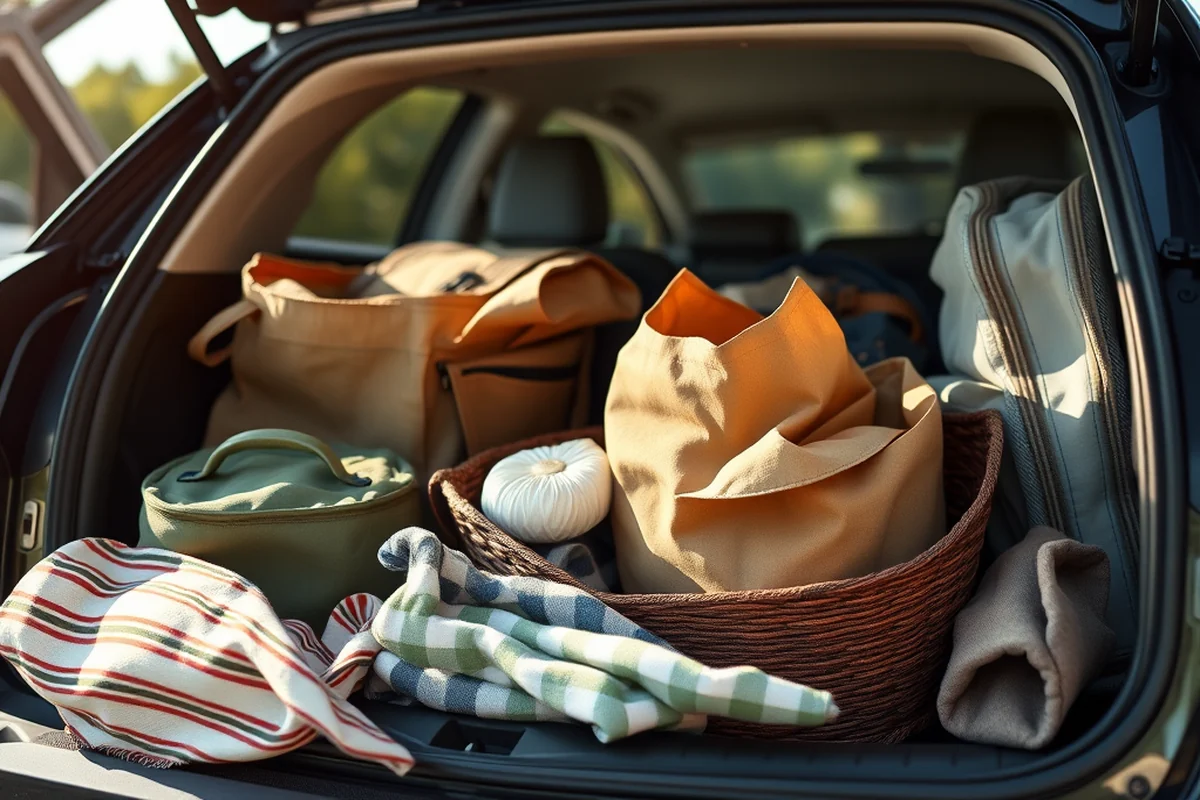
Snacks can be the difference between a successful road trip and one filled with hunger and frustration. I always pack a variety of high-protein, low-sugar snacks like trail mix, jerky, and energy bars.
During a recent road trip from New York to California, I packed a cooler with jerky, trail mix, and protein bars. These kept me full for hours and were easy to grab on the go. I also had a few fruit cups that I could eat when I wanted something lighter.
I’ve found that having a snack every two hours helps maintain energy levels and keeps hunger at bay. I’ve even brought along a few pre-packaged meals that can be eaten cold for quick meals when I’m on the move.
Snacks are the unsung heroes of any long road trip.
Related: Road trip packing food stops for small spaces
Packing Smart with Containers
I’ve learned that the way you pack your meals can make a big difference in how well they last and how easy they are to access. I use a combination of plastic containers and reusable bags to keep everything organized.
During my last trip, I used stackable containers to store meals and snacks. This made it easy to find what I needed without rummaging through a messy cooler. I also used small ziplock bags for snacks and individual portions.
I’ve found that using containers with tight-fitting lids helps prevent spills and keeps your meals fresh longer. I also label everything so I know what I’m eating without opening the container.
Label your containers and use stackable ones to save space and make meals easy to find.
“I remember the first time I packed a road-trip meal for a three-day journey across the American Southwest.”— Roadpacked editors
Related: Road trip packing food stops checklist
Staying Hydrated on the Road
Staying hydrated is just as important as eating well. I always bring a large cooler filled with water, sports drinks, and electrolyte mixes. I’ve found that having a few liters of water on hand helps prevent dehydration and keeps me feeling refreshed.
During a trip from Texas to Montana, I packed a 5-gallon water jug and a cooler with electrolyte drinks. This kept me hydrated for the entire trip and helped me avoid the fatigue that comes with dehydration.
I’ve also found that having a water bottle with a filter or a hydration pack is useful for long drives. It’s a small investment that can make a big difference in your overall comfort.
Related: Road trip packing food that actually work
Managing Waste and Recycling
One thing I’ve learned is that managing waste is part of the road-trip experience. I always bring a small trash bag and a container for recyclables. This helps me stay clean and responsible when I’m on the road.
During a recent trip, I packed a small trash bag and a separate container for recyclables. I made sure to dispose of everything properly at each stop, and I even carried a small container for food scraps.
I’ve found that having a waste management system in place helps keep my car clean and makes the trip more pleasant. It’s a small detail, but it makes a big difference in the long run.
💰 Budget Road-trip
Travel with minimal spending by packing affordable, long-lasting meals and snacks.
🚗 Long Weekend
Perfect for short trips where time and space are limited but meal options are still flexible.
👨👩👧👦 With Kids
Tailor your meal plan to include kid-friendly, easy-to-eat options and plenty of snacks.
🍂 Off-Season
Ideal for avoiding crowds and finding better deals on meals and accommodations.
🍷 Luxury Road-trip
Enjoy gourmet meals and premium snacks while still traveling in comfort and style.
| The mistake | Why it happens | The fix |
|---|---|---|
| Not packing enough meals for the trip. | Not having enough meals can lead to hunger and frustration, especially if your trip runs longer than expected. | Always pack a few extra meals to account for unexpected delays or longer stops. |
| Using non-airtight containers for meals. | Leaky containers can cause a mess and spoil your meals, especially in hot or humid conditions. | Use airtight containers or vacuum-sealed bags to keep your meals safe and clean. |
| Ignoring the need for hydration. | Dehydration can lead to fatigue and make your trip uncomfortable and less enjoyable. | Pack plenty of water and sports drinks, and drink regularly throughout the trip. |
| Not planning for waste and recycling. | Not managing waste can lead to a messy car and an unpleasant trip experience. | Bring a small trash bag and a container for recyclables to manage waste responsibly. |
Related: Road trip packing food stops mistakes to avoid
DIY Road-trip Packing Food
Related: Road trip packing food for beginners
Maximizing Flavor Without Fresh Ingredients
Use bold seasonings and preservation techniques to keep your meals flavorful even without fresh herbs or vegetables.
In the end, a little creativity and planning can go a long way in keeping meals flavorful and enjoyable on the road. By using bold seasonings and preserved ingredients, I’ve found that I can keep my meals interesting and satisfying, even when I’m miles from the nearest grocery store.
Preserving Freshness on the Go: A Deep Dive into Cooling Techniques
During my cross-country road trip last year, I discovered the importance of keeping food at a safe temperature. I used a combination of insulated coolers, ice packs, and dry ice to keep perishable items like cheese, yogurt, and cold cuts fresh. I found that a high-quality cooler with a 50-quart capacity was essential, and I filled it with ice packs and dry ice to maintain a temperature below 40°F for up to 24 hours. This allowed me to carry meals that needed refrigeration without worrying about spoilage.
I also made use of vacuum-sealed bags for perishables like meat and dairy, which helped reduce exposure to air and moisture. I packed these in a separate compartment of the cooler and placed them away from direct sunlight to prevent melting. For non-perishables, I used silica gel packets to absorb any moisture and keep the food dry. This method was particularly useful for keeping items like crackers, nuts, and cookies from getting soggy or stale during long trips.
Another trick I picked up was using a cooler with a built-in thermometer to monitor the internal temperature. This helped me ensure that my food stayed within the safe range and didn’t start to spoil. I also made sure to keep the cooler closed as much as possible to maintain the cold temperature. When I needed to access the food, I did so quickly and returned it to the cooler immediately. These small but effective steps made a big difference in keeping my food fresh and safe throughout the trip.
Fueling for Long Drives: The Science of Sustained Energy
Plan meals that keep you alert and energized for hours of driving with the right balance of protein, fat, and carbs.
I learned the hard way that sugary snacks can lead to energy crashes mid-trip. Instead, I now pack meals like hard-boiled eggs, trail mix with nuts and seeds, and whole-grain wraps filled with lean proteins. These combinations provide a steady release of energy that keeps me focused during long drives. I've noticed a significant difference in my alertness and comfort levels when I avoid simple carbohydrates and opt for more complex ones.
When planning meals for a road trip, I also consider the glycemic index of foods. Foods with a low glycemic index, such as quinoa, lentils, and unsweetened yogurt, help maintain blood sugar levels and prevent the post-lunch slump that can make driving dangerous. I've tested this approach on a 12-hour drive and stayed consistently alert throughout, which I didn't experience before.
To maximize the effectiveness of these meals, I pair them with healthy fats like avocado or olive oil. These fats slow digestion and help keep me full longer, which is especially important when rest stops are sparse or far apart. I've made a habit of packing a small cooler with these meals and snacks, and it's become an essential part of my road-trip routine.
Balancing Nutrition Without Compromise
Learn how to pack meals that are both healthy and satisfying during long road trips.
When planning meals for a road trip, it's easy to prioritize convenience over nutrition, but with a bit of forethought, you can maintain a balanced diet without sacrificing taste or ease of preparation. I’ve tested this by packing meals that include a mix of protein, complex carbohydrates, and healthy fats — such as quinoa salads with hard-boiled eggs, roasted chickpeas, and hummus wraps. These options not only keep me full for hours but also provide the energy needed for long drives and unexpected detours. Prioritizing whole foods over processed ones can make a big difference in how you feel throughout the trip.
I’ve found that prepping meals in advance is the most effective way to ensure they meet nutritional standards while still being practical for travel. For example, I batch-cook chicken and vegetable stir-fries in reusable containers and freeze them in portioned servings. When it's time to eat, I simply defrost and reheat them in a portable electric skillet — something I’ve used on multiple road trips without issue. This approach minimizes waste and ensures that each meal is nutritionally complete, even when I’m on the move for hours at a time.
Another strategy I’ve relied on is incorporating nutrient-dense snacks that support long-term energy, like trail mix with pumpkin seeds and dark chocolate, or dehydrated fruit and nut bars. These not only satisfy cravings but also help maintain steady blood sugar levels, preventing the post-lunch slump that can make driving dangerous. I’ve learned through experience that the right combination of meals and snacks can transform a road trip from a survival mission into a nourishing and enjoyable journey.
Common Questions
How much food should I bring for a 3-day trip?
What are some good non-perishable meal options for a road trip?
How can I keep my meals fresh without refrigeration?
Can I bring alcohol on a road trip?
References
Cite this guide
Roadpacked (2026). Diy Road-trip Packing Food. https://roadpacked.com/diy-road-trip-packing-food/
Feel free to cite or share this guide.
Family Road Trip Packing List
Packing checklist for family road trips filtered by kid ages, length and season.
Open it free →