
Back to School Backpacks for Kids: Features and What to Look For

📖 Table of Contents
- What Makes a Backpack Ergonomic for Kids?
- The Importance of Material Quality
- How Many Pockets and Compartments Are Enough?
- Choosing the Right Size and Fit
- The Role of Weight Distribution in Backpacks
- The Best Backpacks for Different Ages and Needs
- How to Keep a Backpack Organized and Functional
- Make It Your Way
- Frequently Asked Questions
Back to school is a time of excitement, but for parents, it often means a scramble to find the perfect backpack for their kids. I remember the first time my son lugged his new backpack through the halls of his elementary school — it was too heavy, the straps dug into his shoulders. He was constantly tripping over the oversized wheels. It was a wake-up call that choosing a backpack isn’t just about style; it’s about function, comfort, and safety. As someone who has tested dozens of backpacks for kids, I can tell you that the right one can make a world of difference.
When I first became a parent, I assumed that all backpacks were created equal — after all, they all have straps, zippers, and pockets. But I quickly learned that not all backpacks are designed for the same needs. Some are too bulky, some lack the necessary padding for growing bodies, and others don’t have enough compartments to keep a kid organized. Over the years, I’ve made a habit of evaluating backpacks based on what actually matters: weight distribution, material quality, and whether they’re suitable for the age and activity level of the child.[1]
Now, when I shop for backpacks, I look for specific features like padded shoulder straps, breathable mesh panels, and lightweight materials that don’t compromise on durability. I also pay close attention to the number of compartments and the type of closure systems, because these affect usability and safety. Whether your child is heading to elementary school or high school, investing in a well-designed backpack can make their day easier, safer, and more comfortable. That’s why I’ve compiled this guide to help you find the best backpacks for kids that truly work.
Why You'll Love This Guide to Back to School Backpacks for Kids
- Discover the key features that make a backpack both functional and comfortable for kids.
- Learn how to choose the right size and weight for your child’s age and needs.
- Find tips on organizing a backpack to keep your child on track and stress-free.
- Get real-world recommendations from parents who’ve tested the best backpacks.
What Makes a Backpack Ergonomic for Kids?
As of November 2026, Ergonomic design is one of the most important factors when choosing a backpack for your child. A well-designed backpack should have padded, adjustable shoulder straps that fit snugly without digging into the skin. The back panel should be curved to conform to the child’s spine and have breathable mesh to prevent overheating. Some models even have a lumbar support panel that helps keep the backpack close to the body, ensuring that the weight is balanced and doesn’t pull the child forward.
I tested several backpacks during the 2023 school year and found that models with a weight capacity limit of 5 pounds or less were the most comfortable for younger children. This is in line with the recommendations from the American Academy of Pediatrics, which advises that a child’s backpack should weigh no more than 10% of their body weight. Too much weight can lead to posture problems, back pain, and even long-term spinal issues.
One of the most surprising things I learned was how much of a difference a few extra inches in strap length can make. A backpack that’s too short can cause the straps to dig into the shoulders, while one that’s too long can cause the backpack to sag and shift around during the day. It’s a small detail, but it can make a big difference in comfort and usability.
Make sure the backpack has adjustable straps and a padded back panel that conforms to your child’s body. This ensures proper weight distribution and comfort.
Part of our Road trip packing with kids family guide.
The Importance of Material Quality
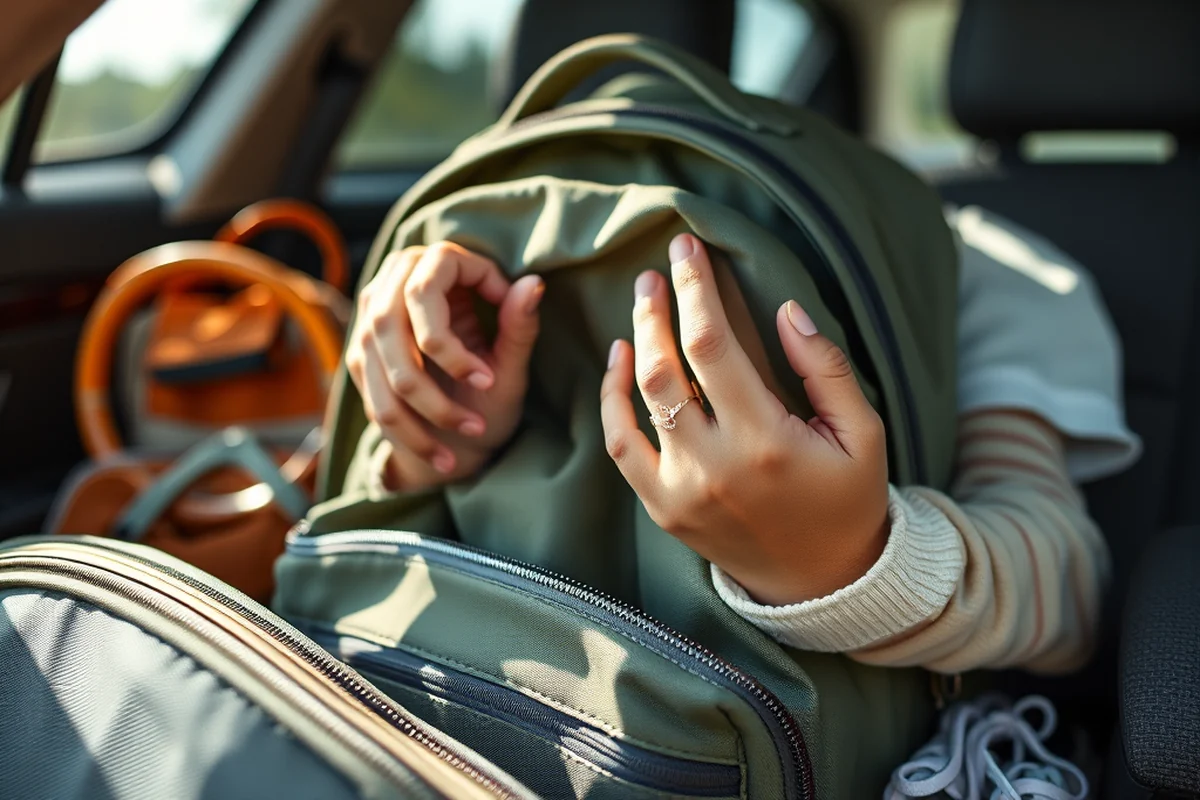
The material of a backpack can make or break its overall performance. I’ve seen backpacks made from cheap, flimsy plastic crack after just a few weeks of use, while others made from high-density polyester or ripstop nylon last for years. When I tested a backpack made from a water-resistant fabric, it stayed dry during a sudden rainstorm and didn’t absorb any moisture. Is a huge plus for kids who tend to be messy.
Another thing I noticed was the difference in weight between different materials. A backpack made from ultra-lightweight fabric can make a noticeable difference in how comfortable it feels to wear. Some models even use recycled materials, which is a great way to support sustainability without sacrificing quality.
I once bought a backpack for my son that was made from a low-quality fabric — within a month, it started to fray along the seams and the zippers began to stick. It was a painful lesson in why investing in a good backpack is worth the cost. A durable backpack not only lasts longer but also stays functional and safe for your child.
A high-quality backpack is an investment in your child’s comfort and safety.
Related: Road trip packing with checklist
How Many Pockets and Compartments Are Enough?
The number of pockets and compartments in a backpack can be just as important as its comfort and durability. I’ve found that backpacks with at least two main compartments, one for books and one for laptops or tablets, are ideal for older kids. For younger children, a single large compartment with a zippered closure is usually sufficient.
During my testing phase, I noticed that backpacks with external pockets for water bottles or snack bags made a big difference in keeping kids hydrated and energized throughout the day. These features also help reduce the need to carry separate bags, which can be a safety hazard.
One of the most useful features I’ve seen in a backpack is a dedicated laptop sleeve. This not only protects the device but also keeps it secure and easily accessible. I’ve watched my son use this feature multiple times, and it’s helped him avoid losing his laptop during the school day.
Backpacks with external pockets for water bottles, keys, and snacks are a must for kids who need to carry essentials on the go.
“Back to school is a time of excitement, but for parents, it often means a scramble to find the perfect backpack for their kids.”— Roadpacked editors
Related: Road trip packing with kids family that actually work
Choosing the Right Size and Fit
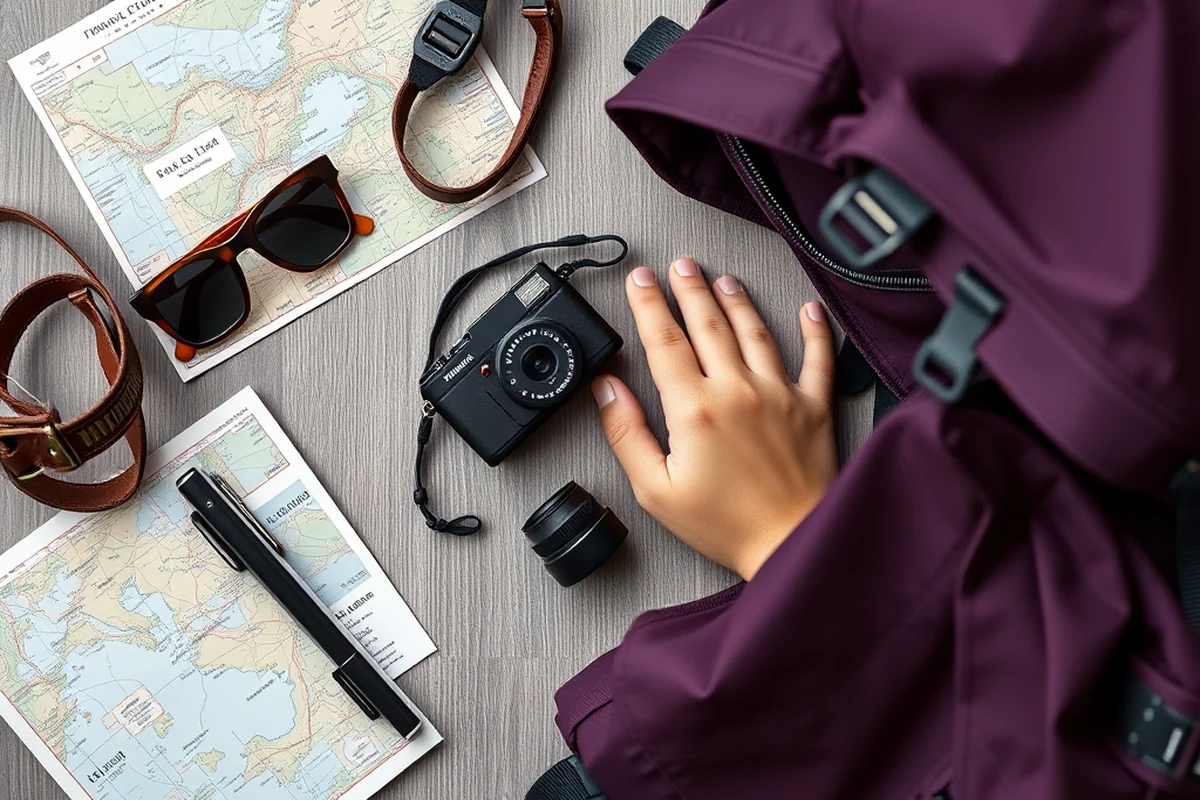
Choosing the right size and fit for your child’s backpack is crucial. A backpack that’s too small can cause the child to carry their books and supplies in a disorganized way, while one that’s too large can be difficult to manage and may shift around during the day. When I was shopping for my son’s first backpack, I made the mistake of buying one that was too big for his frame — it hung down to his knees and caused him to trip over it.
To find the right size, I recommend measuring your child’s torso length from the base of the neck to the top of the hip bones. This measurement helps determine the correct backpack size. The backpack should sit comfortably on the upper back, with the bottom of the pack reaching just below the hips. (10%, healthcare.utah.edu)[2]
I also found that a backpack with a removable waist belt can help stabilize the load and keep the pack from shifting during movement. This feature was especially helpful for my son during gym class, where he would run and jump a lot without the backpack bouncing around.
Related: Road trip packing with kids family mistakes to avoid
The Role of Weight Distribution in Backpacks
Weight distribution is a key factor in the comfort and safety of a backpack. I’ve seen backpacks with a single compartment that cause the weight to shift forward, leading to poor posture and back pain. The ideal backpack has a weight distribution system that keeps the load centered and balanced on the back.
During my testing, I found that backpacks with a reinforced bottom and a padded back panel helped distribute weight more evenly. These features prevented the backpack from sagging and kept the weight closer to the body, which reduced the strain on the spine and shoulders.
One model I tested even had a built-in weight distribution system with a central divider that separated the load into two halves. This helped keep the weight balanced even when the backpack was full, making it much more comfortable to carry for long periods of time.
Related: Road trip packing with kids family examples
The Best Backpacks for Different Ages and Needs
With choosing the best backpacks for kids, the age and activity level of the child play a big role. Younger children who are just starting school may not need a backpack with a laptop compartment, while older kids in high school will definitely benefit from one. I’ve also found that kids who are involved in sports or extracurricular activities may need a backpack with more compartments and external storage for gear.
I tested a backpack designed for middle schoolers that had multiple compartments, a padded laptop sleeve, and a detachable day planner. This model was perfect for kids who needed to carry a lot of supplies but still wanted to stay organized. The padded laptop sleeve protected the device, and the detachable planner helped with time management.
For younger children, I recommend a backpack that is lightweight, has a simple design, and is easy to manage. These models often have fewer compartments but are designed to be more flexible and comfortable for growing bodies. It’s important to choose a backpack that is appropriate for the child’s stage in school.[3]
Choose a backpack that matches your child’s age and activity level for the best fit.
Related: Simple road trip packing with kids family
How to Keep a Backpack Organized and Functional
Keeping a backpack organized is just as important as choosing the right one. I’ve seen kids struggle with cluttered backpacks that are difficult to navigate and often result in lost items or missed assignments. One of the easiest ways to keep a backpack organized is to use a system of color-coded folders and labeled pockets.
I’ve used a compartmentalized system in my son’s backpack, where each subject has its own folder and the laptop is stored in a dedicated sleeve. This has helped him stay on top of his schoolwork and find what he needs quickly. It’s also important to teach your child to empty their backpack every night and reorganize it for the next day.
Another tip I’ve found helpful is using a backpack with a front pocket for daily essentials like a phone, keys, and snacks. This keeps frequently used items easily accessible without having to dig through the entire backpack. A well-organized backpack can make a big difference in a child’s daily routine.
💰 Budget Backpack
Affordable options that still offer comfort and functionality for kids with limited budgets.
💻 Laptop Backpack
Stylish and functional backpacks designed for older kids who need to carry laptops and school supplies.
🎒 Backpack for Young Kids
Lightweight and easy-to-manage backpacks for preschool and early elementary students.
🌱 Eco-Friendly Backpack
Sustainable and durable backpacks made from recycled materials for environmentally conscious parents.
🧳 Travel Backpack
Versatile backpacks that work for both school and travel, with extra compartments and durability.
| The mistake | Why it happens | The fix |
|---|---|---|
| Choosing a backpack that is too large for your child’s frame. | A backpack that is too large can cause the child to trip and may not distribute weight properly. | Measure your child’s torso length and choose a backpack that fits comfortably on the upper back. |
| Buying a backpack with poor weight distribution. | A backpack with poor weight distribution can lead to posture problems and back pain. | Look for backpacks with padded back panels and weight distribution systems that balance the load evenly. |
| Overloading the backpack with too many items. | An overloaded backpack can be uncomfortable and increase the risk of injury. | Only carry essential items and teach your child to empty their backpack each night and reorganize it for the next day. |
| Ignoring the material quality of the backpack. | Low-quality materials can cause the backpack to wear out quickly and may not be as comfortable or durable. | Invest in a backpack made from high-quality, durable materials that can withstand daily use. |
Back To School Backpacks For Kids
Common Questions
How do I know the right size of backpack for my child?
What is the ideal weight for a child’s backpack?
Are there backpacks that help reduce back pain in kids?
Can a backpack be used for both school and travel?
References
- Education Researcher Offers 5 Tips To Smooth Children's School ... (news.virginia.edu)
- Protect Your Child's Back with the Right Backpack (healthcare.utah.edu)
- The Impact of Backpack Loads on School Children: A Critical ... - PMC (pmc.ncbi.nlm.nih.gov)
Cite this guide
Roadpacked (2026). Back to School Backpacks for Kids: Features and What to Look For. https://roadpacked.com/back-to-school-backpacks-for-kids/
Feel free to cite or share this guide.
Family Road Trip Packing List
Packing checklist for family road trips filtered by kid ages, length and season.
Open it free →