
Road Trip Packing Food Stops Step By Step

📖 Table of Contents
I remember the first time I packed for a road trip without planning the food stops. I had a map, a playlist, and a full tank of gas, but I forgot that a 12-hour drive without snacks can turn a fun adventure into a grueling test of patience. I ended up buying overpriced sandwiches from a gas station and eating them in the car with my hands, all while trying not to let my kids see how much I was sweating. It was a wake-up call — planning food stops is just as important as planning the route.[1]
Since then, I've learned that road trip food stops are not just about fueling your body, but also about making the journey more enjoyable. I've visited gas stations in Nevada that sell gourmet sandwiches, found hidden burger joints in Montana, and even dined at a roadside winery in California. These stops can be the highlight of your trip, not just a necessary evil. The key is to approach them with intention, not just convenience.[2]
When I talk about 'road trip packing food stops step by step,' I'm not just talking about grabbing a sandwich on the way. It's about planning ahead, choosing the right spots, and making sure you're never stuck with a half-eaten bag of chips and a bunch of regret. This article walks you through the process of planning food stops like a pro — from the moment you leave home to the last bite on the road.
Why You'll Love This Road Trip Food Plan
- You'll save money by avoiding overpriced roadside meals.
- You'll enjoy more authentic local cuisine at each stop.
- You'll reduce stress by having a clear food plan in place.
- You'll have more time to explore, not to hunt for a snack.
Why Food Stops Matter
As of November 2026, when I first started planning road trips, I thought I could just bring snacks and be done. But after a few long drives, I realized that a few hours in a car without real food makes even the most enthusiastic traveler grumpy. Food stops are more than just a pit stop — they're a chance to refuel, explore, and connect with the local culture.
I've noticed that the best road trips are the ones where the food stops are planned with care. Whether it's a local bakery in Oregon or a family-run diner in Colorado, these places offer a taste of the region that a pre-packaged snack never could. You also save money by choosing these stops over overpriced gas station fare.
One of the most rewarding parts of planning food stops is the discovery of hidden spots that aren't on any map. I once found a taco stand in Arizona that had the best carnitas I've ever had. It was only because I had stopped at a local restaurant the day before and asked where the best food was.
Ask locals or check travel forums for the best food stops along your route. You might find a hidden gem that becomes the highlight of your trip.
Part of our Road trip packing food stops guide.
How to Choose the Right Food Stops
Not all food stops are created equal. I've learned that the best ones are the ones that are off the beaten path but still easy to reach. A few years ago, I spent an hour driving through a desert to find a small diner that had the best pie I've ever tasted — and no one else in the car had heard of it.
I always look for places that are within a 30-minute drive of the highway but still have a unique character. That way, you're not stuck waiting for an hour at a gas station, but you're not driving too far out of your way. I've also found that asking locals for recommendations is the best way to find authentic spots.
One of the most important things to consider is the quality of the service. I've had some great meals at small restaurants, but also some of the worst service in gas stations. It's worth it to check reviews or ask for suggestions from other travelers before heading out.
The best food stops are the ones that are off the beaten path but still easy to reach.
Related: Road trip packing food stops checklist
How to Pack for Food Stops Without Overloading Your Car
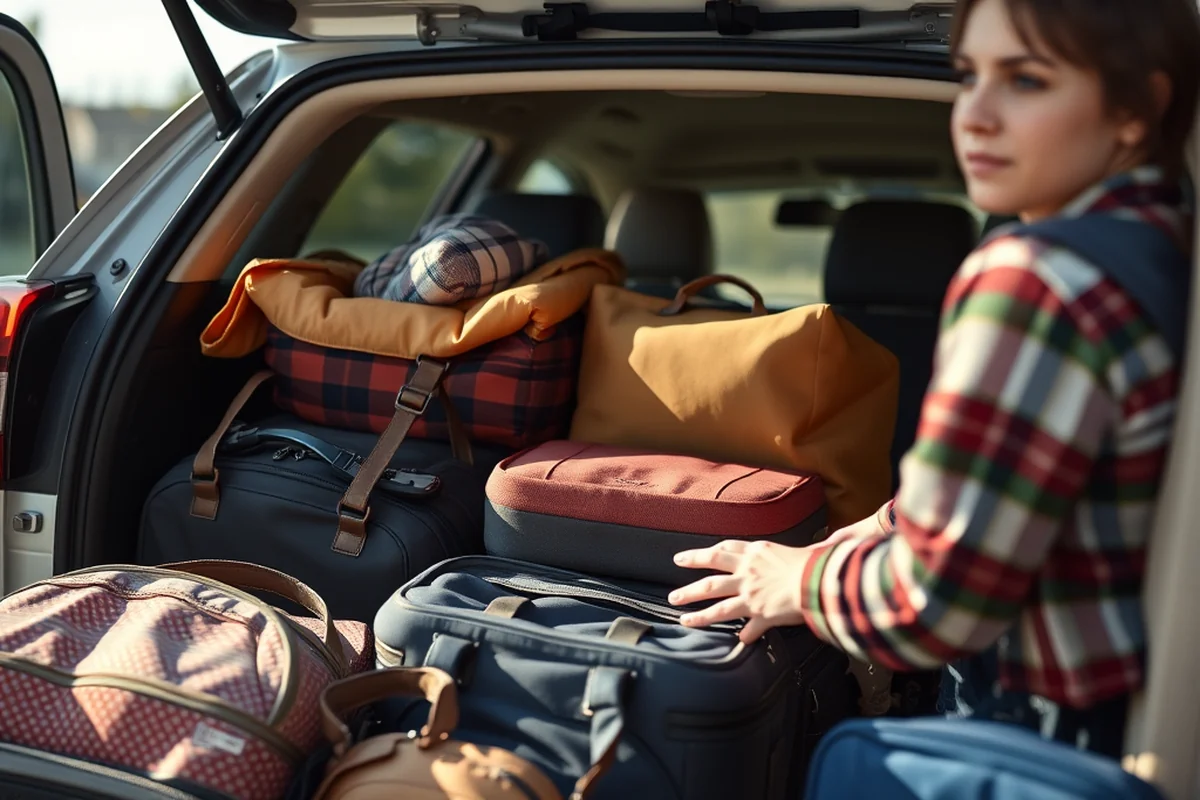
I used to pack a ton of snacks and food for my road trips, only to end up with a car full of empty wrappers and a fridge full of leftovers. Now, I focus on bringing just enough to get me through the day, and I plan my food stops with care.
I always bring reusable containers and keep them in a cooler with ice to keep things fresh. This way, I can pack a few meals and some snacks, and not have to worry about running out of space. I also make sure to bring a small trash bag for any packaging I can't reuse.
Another trick I've learned is to pack meals that can be eaten quickly and don't require a lot of cleanup. For example, I bring sandwiches, wraps, and pre-portioned snacks that are easy to grab on the go. This has saved me time and hassle on more than one occasion.
Bring a cooler with ice to keep your food fresh and use reusable containers to reduce waste. This keeps your car organized and your meals tasty.
“I remember the first time I packed for a road trip without planning the food stops.”— Roadpacked editors
Related: Road trip packing food that actually work
How to Time Your Food Stops for Maximum Efficiency
I've learned that timing is everything with food stops. If you stop too early, you might end up waiting for hours for the next meal. If you wait too long, you might end up driving with an empty stomach and no energy to enjoy your trip.
I always plan food stops around the hours when I know I'll need a break. For example, I stop for lunch around noon and for dinner around 6 PM. This way, I'm not rushing through a meal and I have time to enjoy it.
I've also found that stopping for a meal after a few hours of driving is the best time to refuel. That way, I'm not just eating to survive, but to enjoy the experience and get some energy for the rest of the trip.
Related: Road trip packing food stops mistakes to avoid
How to Make the Most of Each Food Stop
I used to rush through food stops, just wanting to get back on the road. But now I take my time, savor each bite, and even walk around the town or stop for a few minutes to soak in the atmosphere. It's these little moments that make the trip memorable.
I've found that taking the time to explore the area around the food stop can be just as valuable as the meal itself. I've visited small towns, walked through local markets, and even talked to shopkeepers to get their recommendations. These experiences are what make a road trip special.
One of the best things about food stops is that they can lead to unexpected discoveries. I've found new friends, learned about local traditions, and even found a new favorite restaurant all because I took the time to truly enjoy the experience.
🧾 Budget Road Trip
A cost-effective way to travel with meals from local diners and affordable stops along the way.
🚗 Long Weekend Getaway
A quick trip with planned food stops that maximize both time and enjoyment without overcomplicating things.
👨👩👧👦 With Kids
A family-friendly approach with kid-approved meals and fun food stops that keep the little ones happy.
🍂 Off-Season Adventure
A trip planned during the slower season with unique food experiences and less crowded stops.
💎 Luxury Road Trip
A high-end experience with gourmet meals at scenic stops and top-tier dining options.
| The mistake | Why it happens | The fix |
|---|---|---|
| Overpacking snacks and food in the car | This leads to wasted space, messy cars, and unnecessary waste from packaging. | Pack just enough to get through the day and plan your food stops with care. Bring reusable containers and a cooler to keep meals fresh. |
| Not timing your food stops properly | This leads to rushed meals, missed opportunities to enjoy the food, and even driving on an empty stomach. | Plan your food stops around the times when you know you'll need a break, like around noon and 6 PM. |
| Not exploring the area around food stops | This can lead to missed opportunities to discover new places, meet locals, and truly enjoy the trip. | Take time to explore the area around food stops, walk around, and talk to shopkeepers for recommendations. |
Related: Road trip packing food for beginners
Road Trip Packing Food Stops Step By Step
Related: Road trip packing stops tips
How to Handle Food Waste and Leftovers on the Road
Managing food waste and leftovers during a road trip is key to keeping your journey clean and stress-free. Here's how to do it effectively.
When planning your food stops, consider the perishability of what you're buying. For example, I’ve found that buying pre-packaged sandwiches and snacks from gas stations along highways can reduce waste, as they’re designed for easy transport and don’t spoil quickly. If you do buy fresh food, like fruits or dairy, make sure you have enough cooling space in your car and plan to consume it within a few hours. I’ve learned the hard way that leaving a cooler in the sun for too long can cause unexpected spoilage, even with ice packs.
Leftovers can be a challenge when you're constantly on the move. I’ve started using reusable containers for meals I eat at the hotel or campsite at night, which helps avoid clutter in my car and keeps food fresh. For example, I packed a reusable container with leftover grilled chicken from a roadside diner and used it for lunch the next day, saving both time and money. I’ve also found that portion control is crucial—buying just enough for one meal rather than a whole dish helps reduce waste.
Another tip I use is to check local waste disposal options along the route. Some parks and campgrounds have compost bins or recycling centers, which makes it easier to handle food scraps responsibly. I’ve made a habit of packing a small, collapsible trash bag specifically for food waste, which I dispose of at the first available opportunity. This helps me stay organized and ensures I’m not leaving waste behind, which is especially important in sensitive natural areas.
Common Questions
How can I find the best food stops along my route?
How many food stops should I plan for a 4-day trip?
How can I save money on food stops?
What should I bring for food stops?
References
- Modernized Test System - Ohio Department of Public Safety (publicsafety.ohio.gov)
- Packing for Mars - NASA (nasa.gov)
Cite this guide
Roadpacked (2026). Road Trip Packing Food Stops Step By Step. https://roadpacked.com/road-trip-packing-food-stops-step-by-step/
Feel free to cite or share this guide.
Family Road Trip Packing List
Packing checklist for family road trips filtered by kid ages, length and season.
Open it free →