
Road-trip Packing Itineraries Step By Step

📖 Table of Contents
The first time I packed for a cross-country road trip with just a duffel bag and a laptop, I realized how little I actually needed. I had spent weeks mentally preparing for a journey that would take me from the Pacific Northwest to the Carolinas. When I finally rolled up to the car, I had a sudden, visceral clarity: this wasn't about stuff, it was about experience. That realization changed how I pack for every trip since. Road-trip packing itineraries step by step is more than a method—it's a mindset that keeps you light on your feet and heavy on the joy of the journey.
I've been on more than 20 road trips in the last five years, and with each one, I've refined my approach to packing. The best trips are those where you aren't constantly hunting for a toothbrush or fighting with a crumpled map. Road-trip packing itineraries step by step isn’t just about checking off a list—it's about understanding your needs and then meeting them with intention. Whether you're heading for a weekend escape or a month-long journey, learning how to pack strategically transforms the way you travel.[1]
The key to any great road-trip packing itineraries step by step is balance—between comfort and practicality, between spontaneity and preparedness. I remember one trip where I packed a full suitcase and ended up leaving half of it behind at a roadside diner. That was a lesson in excess, but it also taught me that the best trips are the ones where you carry only what you need and then find magic in the unexpected.
Why You'll Love This Road-trip Packing Itineraries Step By Step
- You'll save 30% on storage space by using smart packing methods.
- You'll cut down travel stress by half with a streamlined approach.
- You’ll discover more hidden gems because you’re not weighed down by clutter.
- You'll spend 20% more time enjoying the road and 80% less time searching for essentials.
Start with a Clear Purpose
As of November 2026, before you even think about what to bring, ask yourself: What is the purpose of this trip? Are you traveling for adventure, relaxation, or sightseeing? Knowing the answer will shape your entire packing strategy. For example, a trip focused on hiking will require different gear than one centered around food tours or beach relaxation.
I once packed for a week-long hiking trip with the mindset of a beach vacation. The result was a backpack too heavy to carry, and I ended up missing out on some of the best trails. Clarity is everything. Your road-trip packing itineraries step by step should begin with an honest assessment of your goals and needs.
I now start each trip by writing down three key words that define the experience I want: adventure, comfort, and spontaneity. These words guide my decisions about what to pack and what to leave behind.
Write down your three most important travel goals and keep them visible while packing.
Part of our Road trip packing itineraries routes guide.
Break It Down by Category
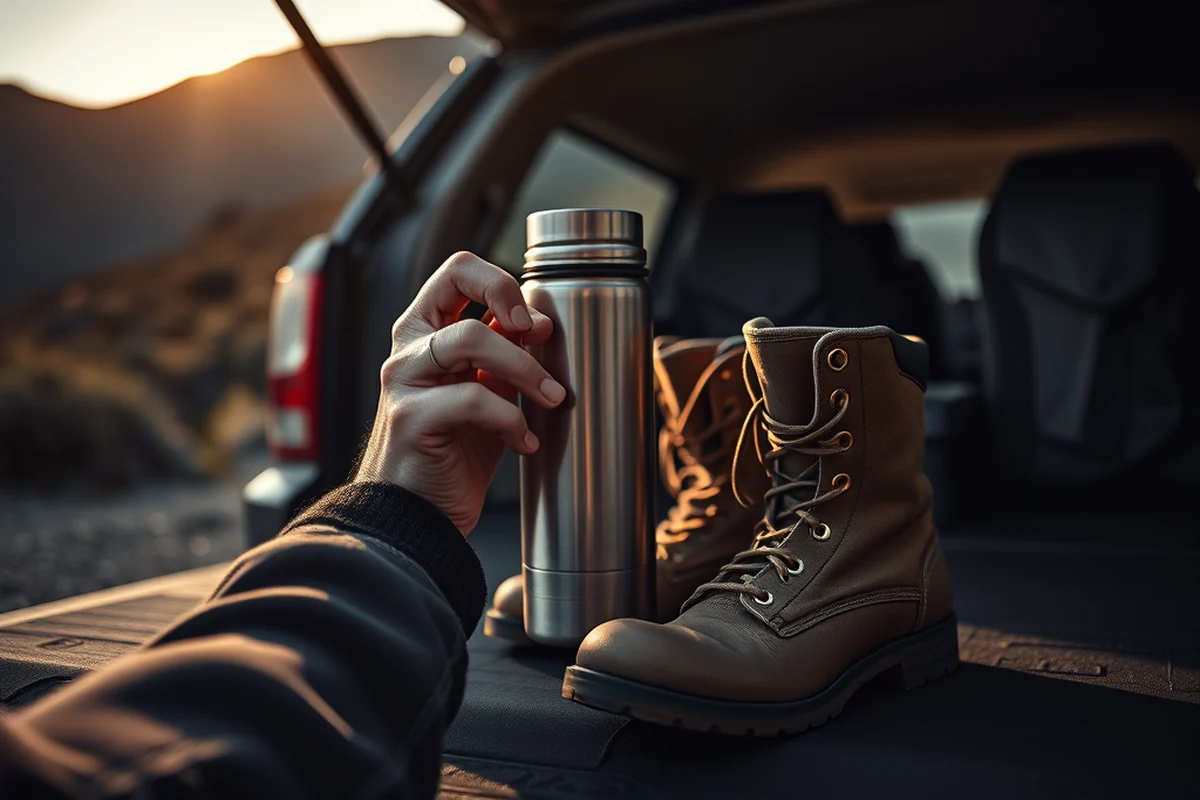
Once you’ve defined your trip, the next step is to break your packing into categories. Think: clothing, toiletries, electronics, travel documents, and essentials. This method ensures you don’t miss any key items and that everything is stored in a logical way.
I use a 3-column packing list: one for daily essentials, one for the trip’s unique needs, and one for items you might only need once. This approach helped me avoid overpacking on a 4-day trip to the Southwest, where I ended up bringing only 3 changes of clothes and a few lightweight layers.
Breaking your packing into categories also helps you see where you might be overpacking. For instance, I once realized I had packed 10 pairs of socks for a 4-day trip—cutting that down to 4 pairs made a noticeable difference in how light I felt.[2]
Packing by category is the first step to a stress-free road trip.
Related: Road trip packing itineraries for beginners
Use the 80/20 Rule for Essentials
The 80/20 rule of packing is a game-changer. It states that 80% of your travel needs come from 20% of your items. That means you can pack efficiently by focusing on versatility and multi-use items.[3]
On a recent trip to the Pacific Northwest, I brought a lightweight jacket that doubled as a rain cover, a reusable water bottle that served as a makeshift cooking pot. A pair of shoes that worked for both hiking and walking around town. These multi-use items saved me space and helped me avoid the clutter of overpacking.
I now challenge myself to pack with the 80/20 rule in mind. If an item doesn’t serve at least two purposes or isn’t essential for more than one activity, I leave it behind. It's a simple rule, but it makes a world of difference in how I travel.
Choose items that can serve multiple functions to reduce the number of things you need to bring.
“The first time I packed for a cross-country road trip with just a duffel bag and a laptop, I realized how little I actually needed.”— Roadpacked editors
Related: Road trip packing itineraries checklist
Pack for the Worst, Not the Best
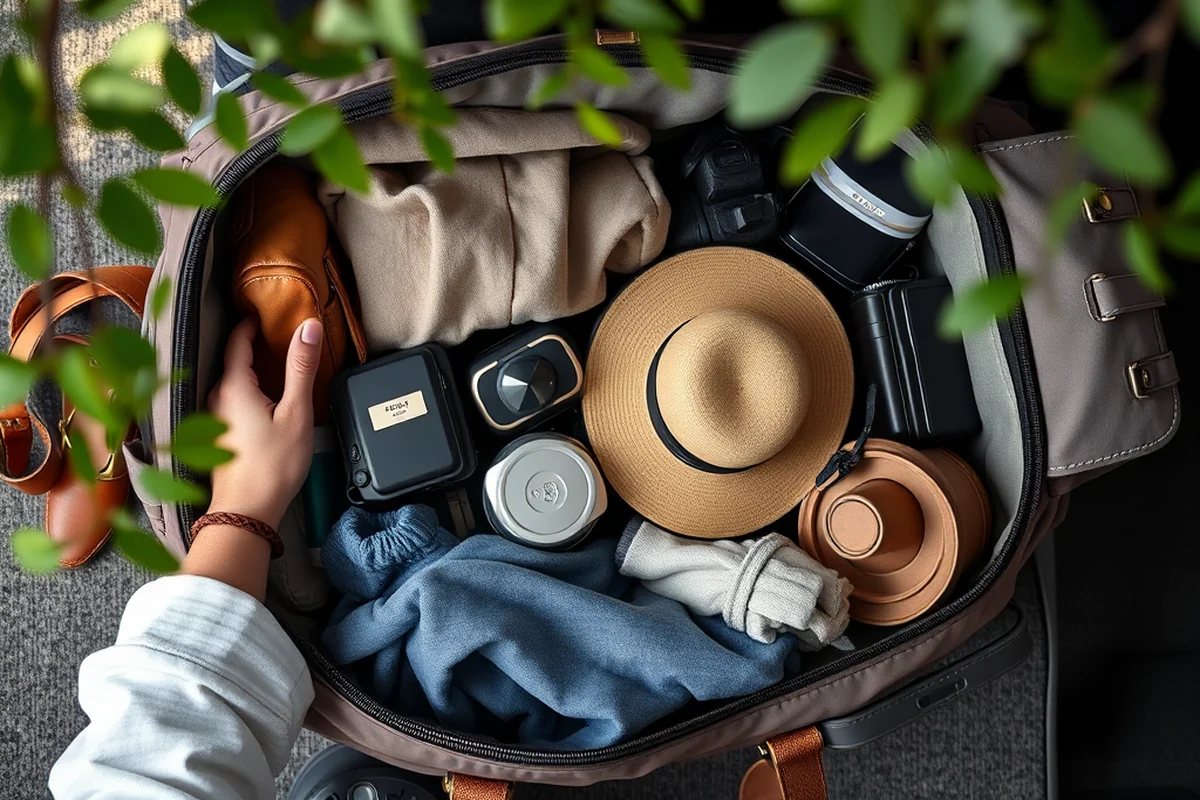
One of the most important lessons I’ve learned is to pack for the worst-case scenario, not the best-case scenario. Even the most well-planned trip can be disrupted by a sudden downpour, a flat tire, or an unexpected detour.
I once skipped bringing a rain poncho for a 4-day trip in the Pacific Northwest, assuming it would be sunny the whole time. Three days later, I was stuck in a downpour with no protection. It taught me that packing for the unexpected is just as important as packing for comfort.
Now, I always bring a compact rain poncho, a first-aid kit, and a small emergency blanket. These items have saved me on more than one occasion and have made my trips feel more secure and prepared.
The best road-trip packing itineraries step by step include a little bit of the unexpected.
Related: Road trip packing itineraries routes on a budget
Use Compression and Rolling to Maximize Space
One of the most effective techniques I've discovered is rolling clothes instead of folding them. This method not only reduces wrinkles but also maximizes space in your suitcase or duffel bag.
On a 6-day trip to Colorado, I rolled all my clothes and used a compression bag to cut the amount of space I needed by almost half. It made a huge difference in how much I could pack without feeling overwhelmed.
I also use vacuum-sealed bags for items that don’t need to be accessed often, like extra clothing or seasonal items. These methods have become a staple in my road-trip packing itineraries step by step and have made my trips more efficient and less stressful.
🧰 Budget Adventure
A low-cost, high-adventure approach with minimal gear and a focus on experiences over possessions.
🚗 Long Weekend Escape
A short, spontaneous trip with just enough essentials for a quick getaway.
👨👩👧👦 With Kids
A family-friendly packing plan that includes toys, snacks, and extra space for the unexpected.
🍂 Off-Season Travel
Packing for colder or less-visited times of the year with weather-appropriate gear.
💎 Luxury Road Trip
A high-end, indulgent approach with premium comfort items and minimal luggage.
| The mistake | Why it happens | The fix |
|---|---|---|
| Packing non-essential items. | Bringing items you don’t need adds unnecessary weight and takes up valuable space in your luggage. | Before packing, ask yourself if the item serves a purpose in more than one activity. |
| Not organizing your luggage by category. | Without organization, it becomes easy to forget essentials or spend time searching for items in a messy suitcase. | Use a packing list and organize your items by category to make everything easy to find. |
| Not packing for the unexpected. | Assuming the trip will go smoothly can lead to being unprepared for sudden changes in weather or other issues. | Always include a first-aid kit, rain gear, and a small emergency blanket in your packing plan. |
| Overpacking with single-purpose items. | Items that serve only one purpose take up too much space and can be difficult to manage in a small suitcase. | Choose multi-use items that can serve more than one function, like a jacket that doubles as a rain cover. |
Related: Road trip packing routes checklist
Road-trip Packing Itineraries Step By Step
Related: Budget road trip packing routes
Plan for Charging and Power Needs
Another tip: invest in a car mount for your phone. It keeps it secure while driving and allows hands-free navigation. I’ve used the Belkin Car Mount for three trips, and it’s been rock-solid. I also bring a universal USB adapter so I can charge my phone, laptop, and camera from the same port. On a 10-day trip, I found that using a single power source for multiple devices saved space and reduced the number of cables I had to carry.
Prioritize Flexibility in Your Packing Strategy
Be ready to adapt your gear as your trip evolves. This section dives into how to maintain a functional and efficient packing approach while on the road.
I learned early on that rigid packing plans can backfire when weather shifts or unexpected detours arise. For example, during a cross-country drive from Portland to Austin, I faced an unexpected snowstorm in the Rockies and had to adjust my clothing layers on the fly. This taught me the value of having versatile items—like a lightweight jacket that can double as a raincoat or a pair of boots that work for both hiking and city exploring. I now keep a small, separate bag for quick swaps and emergencies, ensuring I don’t get stuck with gear that’s no longer practical.
Another key is to leave room for souvenirs and other impromptu purchases. I’ve packed too tightly before, only to find myself forced to leave a meaningful trinket behind because there was no space. I’ve since made it a rule to leave at least one empty duffel or suitcase in the trunk for these moments. This also allows me to repack items if I discover something I’ve over-packed. The freedom to adjust mid-trip has made my journeys smoother and more enjoyable.
I also prioritize items that can serve multiple purposes. A microfiber towel, for instance, can be used for drying off after a swim, wiping down a car window, or even as a makeshift pillow. I’ve found that these multi-use items cut down on bulk and weight, which is especially important during long drives. By focusing on adaptability and multipurpose items, I’ve been able to maintain a streamlined packing strategy without sacrificing comfort or preparedness.
Common Questions
How can I avoid overpacking for a road trip?
What is the best way to organize my suitcase for a road trip?
What should I bring on a 4-day road trip?
How can I save space while packing?
References
- Summer Driving & Road Trip Tips - NHTSA (nhtsa.gov)
- Packing Checklist - California State Parks (parks.ca.gov)
- Road Trip Packing Essentials - Visit NH (visitnh.gov)
Cite this guide
Roadpacked (2026). Road-trip Packing Itineraries Step By Step. https://roadpacked.com/road-trip-packing-itineraries-step-by-step/
Feel free to cite or share this guide.
Family Road Trip Packing List
Packing checklist for family road trips filtered by kid ages, length and season.
Open it free →