
Moving Supplies and Packing Materials: What You Need for a Smooth Move

📖 Table of Contents
- What to Pack First: The Essentials for Any Move
- Boxes, Boxes, and More Boxes: Choosing the Right Container Sizes
- Packing Techniques That Work: How to Secure Your Belongings
- The Power of Movers: How to Choose the Right One
- The Art of Labeling: How to Organize Your Boxes for Efficiency
- The Magic of Packing Cubes: How They Save Space and Time
- The Cost of Moving: How to Budget Effectively
- Make It Your Way
- Frequently Asked Questions
Moving is a chaotic, emotional, and at times overwhelming process. I remember the day I packed my last box, sweat clinging to my shirt, the smell of cardboard and dust mixing with the lingering scent of my old home. It was messy, but I also felt a strange sense of accomplishment. The right moving supplies and packing materials can make all the difference, turning a chaotic day into a manageable one. They are the unsung heroes of any relocation, whether it's across town or across the country.[2]
I've moved four times in my life, and each time, I learned something new about the importance of having the right tools. From bubble wrap to heavy-duty boxes, every item plays a role in making the move as smooth as possible. The difference between a stressful move and one that goes with minimal hiccups often comes down to the quality and quantity of your packing materials. You might not think about it, but these supplies are the backbone of your entire move.[3]
When I moved to my current home, I made a conscious effort to invest in the best moving supplies I could afford. I used reinforced cardboard boxes, sturdy dolly wheels, and even a few pieces of furniture padding that I never would have considered before. The result was a move that took less time, caused fewer injuries, and left me feeling more relaxed than I had expected. Choosing the right packing materials is not just about convenience — it’s about protecting your belongings and your well-being.[4]
Why You'll Love This Guide to Moving Supplies and Packing Materials
- You’ll know exactly what to buy, when to buy it, and how much you’ll need.
- You’ll avoid common mistakes that lead to damaged items, broken backs, and unexpected costs.
- You’ll be equipped with real-world insights from someone who has moved multiple times.
- You’ll learn how to organize and budget your move effectively for long-term savings.
What to Pack First: The Essentials for Any Move
As of November 2026, when I moved for the first time, I packed all my clothes first, only to realize I had no plates or silverware for the first few days. That was a disaster. The key is to start with non-negotiables — things you’ll need in the first few days after the move. This includes bed linens, dishware, kitchen towels, and basic cleaning supplies. These are the items you’ll rely on, and without them, you're left with a logistical nightmare.
I learned the hard way that without these basics, your first night in a new home can be uncomfortable and even unsafe. I ended up borrowing plates from a neighbor and washing my clothes at a laundromat for a week. That was not ideal. To avoid the same fate, list out what you need for the first week and pack those items first.
The benefit of this approach is that it reduces the stress of having to find alternatives. It also allows you to allocate more space in your moving truck to items that are less urgent but still important. Don’t underestimate how much comfort a few clean sheets or a set of plates can provide on move day.
Start with items you’ll need the most in the first few days, and save bulkier items for later. This keeps your move focused and less overwhelming.
Part of our Road trip packing packing gear guide.
Boxes, Boxes, and More Boxes: Choosing the Right Container Sizes
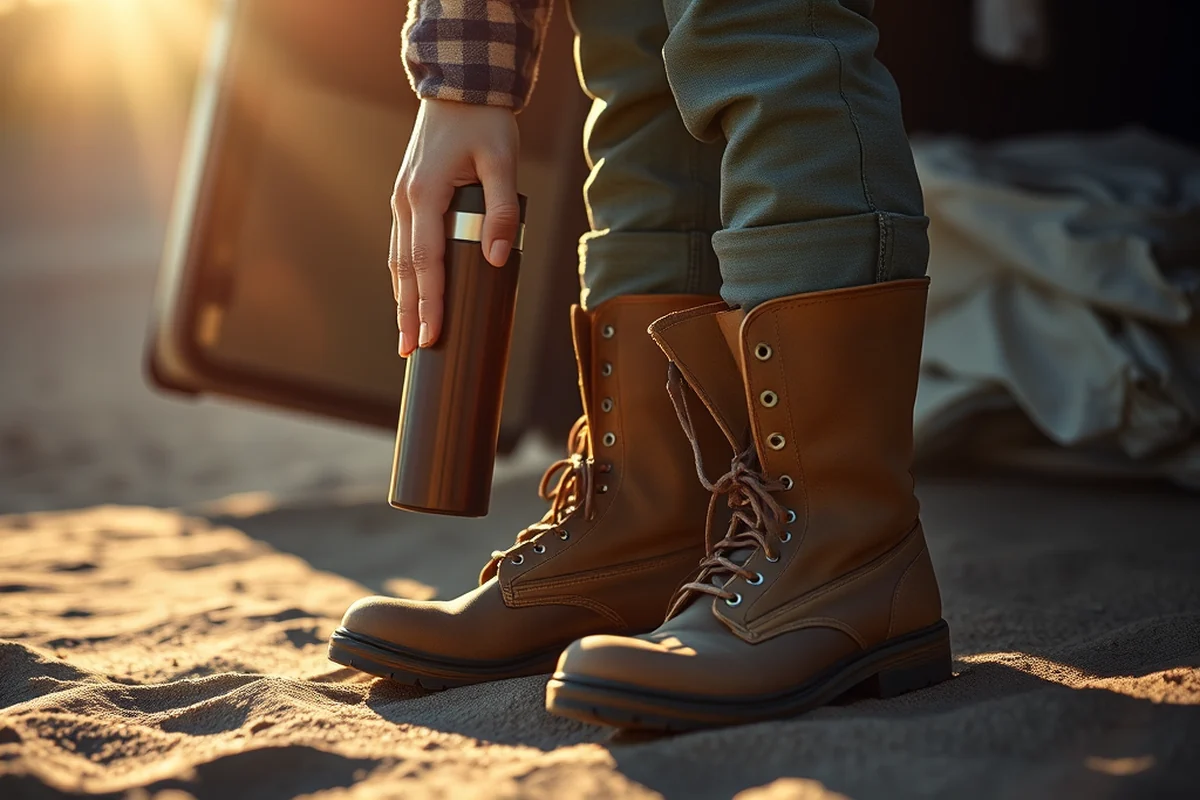
Boxes are the foundation of any move, but not all boxes are created equal. I once used a single large box to pack all my kitchen utensils, and when I tried to lift it, my back screamed in protest. That was a lesson in box size and weight distribution. Small boxes are perfect for heavy items like books, tools, or electronics. Medium boxes work well for items like kitchenware or clothing, and large boxes are ideal for lightweight items like linens or decorative objects.
Using the right box size not only helps with weight distribution but also reduces the risk of injury. I've seen too many people hurt themselves by overloading boxes. A box that's too heavy is not only dangerous to lift but also more likely to break or tear during transit. The right box size also helps with organization — it's easier to label a box of manageable size than one that's too large and messy.
I now make a point to use small boxes for anything heavier than a few pounds, and I avoid using large boxes for anything that might break. The result is a move that's more organized, safer, and less likely to cause physical strain.
The right box size can make the difference between a safe move and a broken back.
Related: Survival gear and supplies
Packing Techniques That Work: How to Secure Your Belongings
Packing is more than just stuffing things into boxes — it's about securing them properly. I once packed my glassware without any padding, and when the movers stacked the boxes, several items shattered. That was a costly mistake. The lesson I learned was to use bubble wrap, foam, and packing peanuts to secure fragile items. It’s also important to place heavier items at the bottom of the box to prevent them from shifting and causing damage.
I now make a habit of filling empty spaces in boxes with packing peanuts or crumpled paper to prevent items from moving around. This is especially important for items like plates, glasses, or electronics, which can be easily broken if not properly protected. I also use tape to reinforce the seams of the box, which helps prevent the box from opening during transit.
The right packing technique not only protects your belongings but also reduces the amount of time and money spent on repairs after the move. It’s a small investment that can save you a lot of headaches in the long run.
Use padding, reinforce seams, and place heavier items at the bottom. This ensures your items arrive safely and with minimal damage.
“Moving is a chaotic, emotional, and at times overwhelming process.”— Roadpacked editors
Related: Off road recovery gear
The Power of Movers: How to Choose the Right One
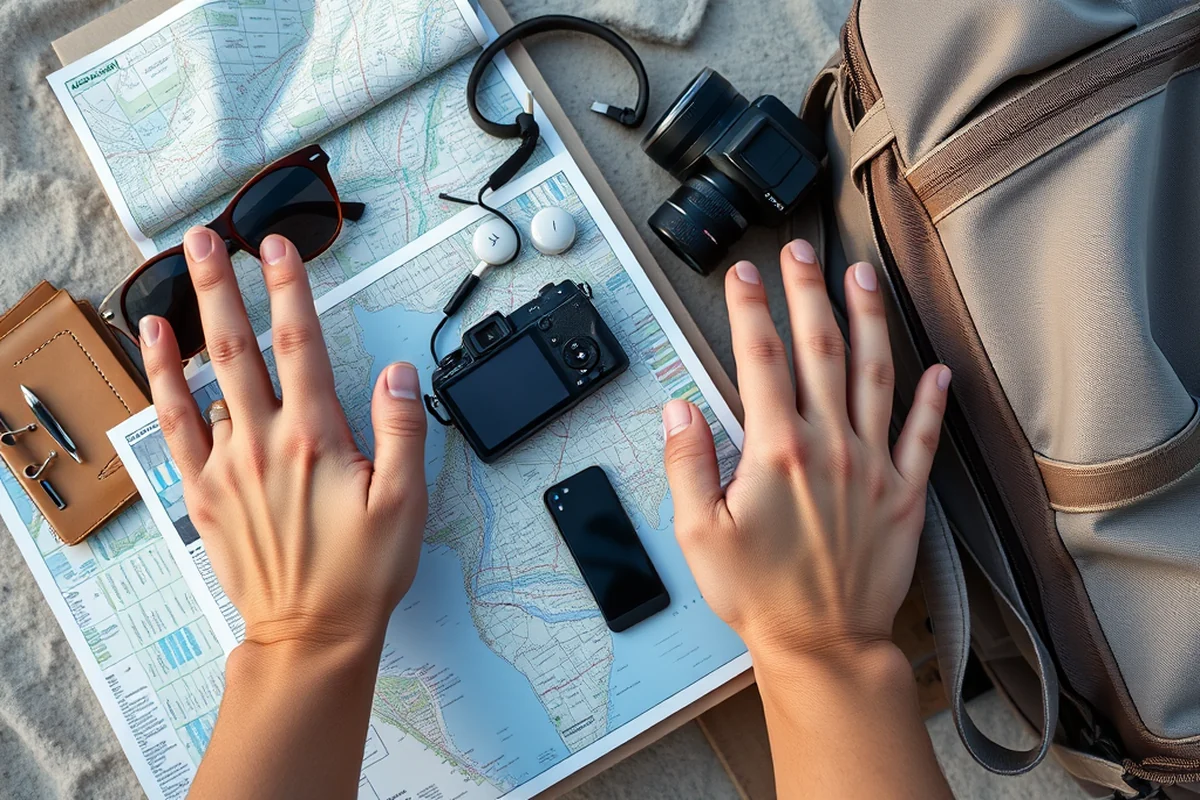
Movers are a crucial part of any move, but not all movers are the same. I once hired a local mover without checking reviews, and the experience was terrible — my furniture was damaged, and the move took twice as long as expected. Since then, I’ve learned to vet movers carefully. I now always check online reviews, ask for references, and ensure the mover has proper insurance and licensing.
I also make it a point to get a written estimate before the move and confirm that the mover is bonded and insured. This gives me peace of mind and protects me from unexpected costs. It's also important to ask about their experience with moves similar to mine — whether they handle furniture, large appliances, or delicate items.
Choosing the right mover not only ensures that your items are transported safely but also reduces the stress of the move. It's a small step that can make a big difference in the overall experience.
Related: Packing list template
The Art of Labeling: How to Organize Your Boxes for Efficiency
Labeling your boxes might seem like a small detail, but it's one of the most important parts of moving. I once moved without labeling any boxes, and the result was chaos — I had no idea where my kitchenware was, and I spent hours searching for my favorite mug. Since then, I've made labeling a non-negotiable part of my moving process.
I now use color-coded labels to differentiate between rooms — blue for the kitchen, green for the bedroom, and so on. This makes it easier to organize your move and know where to place items after the move. I also label each box with what's inside and the room it belongs to, so I can quickly find what I need without opening every box.
Proper labeling not only saves time but also reduces the risk of misplacing items. It's a simple step that can make the entire move more efficient and less stressful.
Related: What is a packing list
The Magic of Packing Cubes: How They Save Space and Time
Packing cubes are a game-changer for anyone moving. I used them for the first time on my last move, and I was amazed at how much more organized my boxes became. These cubes help you pack efficiently, saving space and making it easier to find what you need. They are especially useful for clothing, toiletries, and small items like electronics or kitchen gadgets.
I now use packing cubes for almost everything — they help me stay organized and prevent my boxes from becoming cluttered. I also use them to separate different categories of items, making it easier to unpack later. The result is a more efficient move, with less time spent searching for items in messy boxes.
Packing cubes are a small investment that pays off in the long run. They help you save space, stay organized, and reduce the stress of the move.
Packing cubes are like the Swiss Army knife of moving — versatile, efficient, and life-changing.
Related: Best backpack for work
The Cost of Moving: How to Budget Effectively
Moving can be expensive, and not budgeting properly can lead to financial stress. I once moved without a budget, and I ended up spending over $1,000 more than I had planned. That was a painful lesson. Since then, I’ve made it a point to create a detailed budget that includes all costs — from the movers’ fees to the cost of packing materials.[1]
I now estimate the cost of everything in advance, including the price of boxes, the cost of hiring movers, and even the cost of temporary storage if needed. I also set aside a contingency fund for unexpected expenses, like damaged items or last-minute changes in the move plan.
Creating a budget not only helps you stay on track financially but also gives you peace of mind. It’s a small step that can make a big difference in the overall success of your move.
💰 Budget Move
Move affordably by using free or low-cost packing materials and hiring local movers.
✈️ Long Weekend Getaway
Pack smart and light for a quick trip, focusing on essentials and travel-friendly items.
👶 Move with Kids
Prioritize safety and comfort for children, with child-friendly packing and easy access to essentials.
🍂 Off-Season Move
Take advantage of lower mover rates and more availability during off-peak times.
💎 Luxury Move
Invest in premium movers, custom packing, and high-end materials for a seamless experience.
| The mistake | Why it happens | The fix |
|---|---|---|
| Not using the right box sizes | Using the wrong box size can lead to overloading, damage, and injury. | Use small boxes for heavy items, medium for medium-weight items, and large for lightweight items. |
| Not labeling boxes properly | Unlabeled boxes can lead to confusion and wasted time during the move. | Label every box clearly with the room and contents inside. |
| Ignoring the importance of insurance | Not having insurance can leave you financially responsible for damaged or lost items. | Always ensure your movers are bonded and insured. Ask about their coverage before the move. |
| Not planning a budget | Failing to budget can lead to unexpected costs and financial strain. | Create a detailed budget that includes all costs, such as movers, packing materials, and potential storage. |
Moving Supplies Packing Materials
Common Questions
How many boxes do I need for a move?
What’s the best way to pack fragile items?
Can I reuse boxes from previous moves?
How do I choose the right movers?
References
- (DOC) Bubble wrap - packing material - Academia.edu (academia.edu)
- 7 Packing and Moving Mistakes You'd Want to Avoid – Dennis Piper (blogs.oregonstate.edu)
- A Better Way to Move into College—or Anywhere, for That Matter (bu.edu)
- INSTRUCTIONS: The Move Request Packet contains five (5) excel ... (cuanschutz.edu)
Cite this guide
Roadpacked (2026). Moving Supplies and Packing Materials: What You Need for a Smooth Move. https://roadpacked.com/moving-supplies-packing-materials/
Feel free to cite or share this guide.
Family Road Trip Packing List
Packing checklist for family road trips filtered by kid ages, length and season.
Open it free →