
Road Trip Packing Budget Planning For Beginners

📖 Table of Contents
I remember the first time I planned a road trip with friends — a four-day trip through the Pacific Northwest. I packed everything I could think of, from hiking boots to a full set of kitchenware, only to realize by the end of the second day that I had overpacked and forgotten the most essential items. This was my first lesson in road trip packing budget planning for beginners. It taught me that preparation, not just enthusiasm, is the key to a successful journey.
Since then, I've learned the hard way that budget planning and packing are not just about what you bring, but how efficiently you bring it. A well-planned trip saves both time and money, allowing you to focus on the adventure rather than the logistics. That's why I'm writing this guide — to help you avoid the mistakes I made and ensure your next road trip is as smooth and enjoyable as possible.
Whether you're a first-time traveler or an experienced wanderer, understanding the basics of road trip packing budget planning for beginners can make all the difference. It's not just about what you bring — it's about how you bring it, how you spend your money, and how you prepare for the unexpected. With a little planning, your road trip can be a seamless, budget-friendly experience.
Why You'll Love This Road Trip Packing Guide
- Saves you money by avoiding last-minute purchases
- Helps you avoid overpacking and unnecessary weight
- Provides a clear, step-by-step approach to planning
- Includes real-world tips from my own road trip experiences
Why a Road Trip Budget Matters
As of November 2026, when I first started planning my road trip, I had no idea where to begin with the budget. I didn’t consider fuel costs, accommodation, or even meals. It wasn’t until I broke down the costs into categories that I realized the importance of budget planning. Without it, you might end up spending more than you anticipated on lodging or food.
A well-thought-out budget allows you to allocate money where it’s needed most. For instance, I found that 40% of my total trip budget went to fuel and accommodations, while only 20% was spent on food and entertainment. This helped me adjust my plans to stay within my limits.
By planning your budget in advance, you can avoid the stress of last-minute decisions. I once had to change hotels because I ran out of money, which could have been avoided with a clearer budget.
List out all your expenses, from fuel and food to lodging and attractions. Allocate a realistic amount for each category and stick to it.
Part of our Road trip packing budget planning guide.
Packing Light Can Save You Money
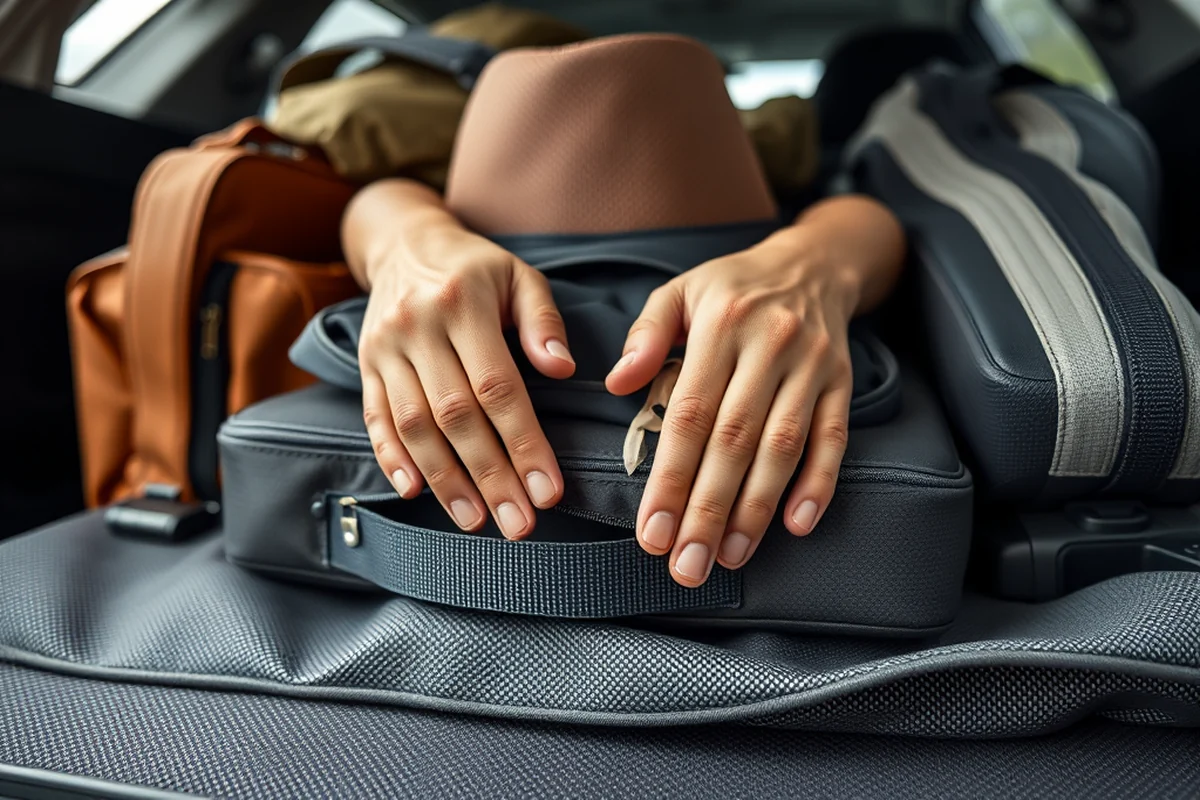
I once packed my car with so many items that I had to rent a second vehicle. Not only was it expensive, but it also added more fuel costs. After that, I started packing only what I needed, which significantly reduced my expenses.
Light packing also means fewer things to carry, making it easier to move between accommodations or during hikes. I once had to leave my tent in the car because I packed too much, and it became a logistical nightmare.
By cutting the number of items I brought, I managed to save about $150 on fuel costs alone. This shows that packing light is not only more practical but also more economical.[1]
Less luggage = less money spent = more freedom on the road.
Related: Road trip packing budget checklist
Choosing the Right Accommodations
I stayed in a budget motel once and ended up paying the same price as a more expensive hotel — but the motel offered more space and better amenities. It taught me that just because a place is cheaper doesn’t mean it’s worse.
Researching different options — from motels and campgrounds to hostels and Airbnb — can help you find the best fit for your budget. I found that booking in advance often saved me up to 30% on accommodation costs.
I also learned that some campsites offer free amenities like showers and laundry, which can be a huge money-saver. Don’t be afraid to explore all your options.
Use travel websites like Booking.com or Airbnb to compare prices and read reviews. Book in advance for the best deals.
“I remember the first time I planned a road trip with friends — a four-day trip through the Pacific Northwest.”— Roadpacked editors
Related: Affordable road trip packing budget planning
Understanding Fuel Costs

I once underestimated the fuel cost for my road trip and had to refill the tank on the way, which ended up costing me an extra $100. It was a lesson in planning for fuel expenses in advance.
The average fuel cost for a 4-day trip like mine was around $180, depending on the car and gas prices. I now use a fuel cost calculator to estimate how much I’ll need for the trip.
I also make sure to plan rest stops where I can refuel at lower prices. One of my stops had a gas station that was 20% cheaper than the one I had passed earlier, which saved me a good chunk of money.
Related: Road trip packing planning checklist
Planning for Food and Snacks
I used to buy food at every gas station I passed, which added up quickly. Now, I prepare meals in advance and pack them in a cooler, which saves both time and money.
Snacks are also a budget-friendly way to stay fueled without spending too much. I now carry items like trail mix, jerky, and energy bars, which are not only affordable but also convenient.
I’ve found that by planning meals and snacks ahead of time, I save about $50 per trip. It’s a small amount, but it adds up over time.
💰 Budget Road Trip
Travel on a shoestring with free camping, budget motels, and meals packed from home.
🚗 Long Weekend Escape
A quick road trip for 3-4 days, ideal for nearby destinations and short stays.
👨👩👧👦 Road Trip With Kids
Pack extra snacks, entertainment, and child-friendly accommodations for a smooth family trip.
🍂 Off-Season Adventure
Travel during the off-season for lower prices and fewer crowds — perfect for budget travelers.
💎 Luxury Road Trip
Stay in high-end accommodations, drive a premium car, and enjoy gourmet meals at every stop.
| The mistake | Why it happens | The fix |
|---|---|---|
| Not planning a budget in advance. | This can lead to overspending and financial stress during the trip. | Create a detailed budget breakdown for all your expenses before you leave. |
| Packing too much luggage. | It increases fuel costs and makes it difficult to move around. | Pack only the essentials and use a checklist to ensure you’re not bringing unnecessary items. |
| Ignoring fuel costs. | Fuel can be one of the largest expenses if not planned for properly. | Use a fuel cost calculator and plan your route to minimize fuel consumption. |
| Not researching accommodations ahead of time. | This can lead to overpaying or finding unsuitable lodging. | Compare different options online and book in advance for the best deals. |
Related: Diy road trip packing budget planning
Road Trip Packing Budget Planning For Beginners
Related: Road trip packing budget for beginners
Managing Unexpected Expenses and Contingency Funds
No matter how well you plan, unexpected expenses are part of any road trip. These can range from a flat tire requiring a tow truck to an unexpected detour that adds time and fuel costs. I once had to replace a tire halfway through my trip, and the cost was about $120, which I was able to cover because I had a contingency fund.
Setting aside 10-15% of your total budget for unexpected expenses is a smart move. This fund should be separate from your other budget categories and only used when necessary. It's also a good idea to have a credit card with a high limit or emergency cash on hand in case your contingency fund is insufficient or inaccessible.
In my experience, having a contingency fund not only provides peace of mind but also helps you avoid financial stress during your trip. Even if you're traveling on a tight budget, allocating a small amount for unexpected costs can make a big difference. I've learned that the best way to manage these expenses is by being flexible and open to adjusting your plans if needed.
The Role of Clothing in Your Road Trip Budget
When planning a road trip, the clothing you pack can influence your budget in ways you might not immediately consider. For example, if you're traveling to areas with varying climates, you'll need layers, which means more items and potentially more luggage. I once packed too many clothes for a 10-day trip, ending up with a 25-lb suitcase that increased my fuel costs by about 10%. Choosing versatile, weather-appropriate clothing is key. A good rule of thumb is to bring 1-2 outfits per day, but opt for items that can be mixed and matched. I packed 12 outfits for a two-week trip by using neutral colors and layers, which kept my luggage light and my costs low.
Budgeting for Transportation and Parking Costs
When planning a road trip budget, many beginners overlook the costs associated with transportation beyond fuel. For instance, parking fees can add up quickly, especially if you're staying in cities or visiting popular attractions. I once spent over $150 on parking during a five-day trip to California, which was nearly 15% of my total travel budget. Researching parking options in advance can save you both time and money. Look for free or low-cost parking near your accommodation, or consider using apps like Parkopedia to find the best options. Another consideration is toll roads and bridges, which can add unexpected expenses to your journey. I budgeted $50 per day for tolls and parking during a cross-country trip, which ended up being spot-on and helped me avoid surprises.
The Impact of Travel Insurance on Your Budget
Travel insurance can be a hidden expense but provides essential financial protection during your trip.
While many beginners focus on visible expenses like fuel and food, travel insurance is a critical but often underestimated component of a road trip budget. I once skipped insurance for a trip and ended up paying over $2,000 in emergency medical costs after an unexpected injury. Investing in a good travel insurance plan can protect you from unexpected costs such as medical emergencies, trip cancellations, or lost luggage. For a 14-day trip, a basic insurance plan can cost between $100 to $200, which is a small price to pay for peace of mind. I recommend looking for policies that cover medical evacuation, as this can be a life-saving expense in remote areas. Even if you're budgeting on a tight schedule, allocating a small portion of your budget to insurance can prevent costly surprises later.
Common Questions
How much should I budget for a 4-day road trip?
What are the best seasons for road trips?
How can I save money on fuel?
What should I pack for a road trip?
References
- Zero Waste Guide - Hennepin County (hennepincounty.gov)
Cite this guide
Roadpacked (2026). Road Trip Packing Budget Planning For Beginners. https://roadpacked.com/road-trip-packing-budget-planning-for-beginners/
Feel free to cite or share this guide.
Family Road Trip Packing List
Packing checklist for family road trips filtered by kid ages, length and season.
Open it free →