
Road Trip Packing Itineraries Routes For Beginners

📖 Table of Contents
I still remember the first time I packed for a road trip with my friends. I lugged a duffel bag into the back of our rental van, thinking I had everything covered — only to realize I had forgotten the essentials like a sleeping bag and a reusable water bottle. It was a lesson in chaos, but also a lesson in preparation. This article isn’t about how to avoid that kind of disaster, but rather how to plan your first road trip with the kind of detail that makes the journey smoother and more enjoyable.
For beginners, road trip packing itineraries routes can feel like a maze — where do you start? What do you bring? How many stops can you realistically make without losing your mind? I’ve spent over a year testing different strategies, and I’ve learned that the right approach can turn a stressful trip into an unforgettable experience. The key is not just what you bring, but how you organize it.
In this article, I’ll walk you through the exact steps I took to plan my first multi-day road trip across the Pacific Northwest, from choosing a route that balances scenery with accessibility, to packing only the essentials that made my trip comfortable and stress-free. Whether you're driving for a weekend or a week, this guide will help you avoid the most common beginner mistakes and ensure that your trip is as smooth as the roads you’ll be driving on.
Why You'll Love This Road Trip Packing Guide
- Simple, actionable advice tailored to beginners
- Real-world lessons from a tested road trip itinerary
- Clear guidance on what to bring and how to organize it
- Tips to avoid overpacking and stress during your journey
How to Choose Your Route
As of November 2026, when I first planned my trip, I focused too much on distance and not enough on what was along the way. I ended up driving through towns with no attractions, which made the journey feel long and uneventful. After researching, I found a balance between scenic routes and accessible towns with amenities. This made the trip feel more like an adventure and less like a chore.
I recommend picking a route that has a mix of natural beauty and cultural stops — think national parks, small towns with local shops, and maybe a few historic landmarks. This keeps the trip interesting and gives you a variety of places to explore each day.
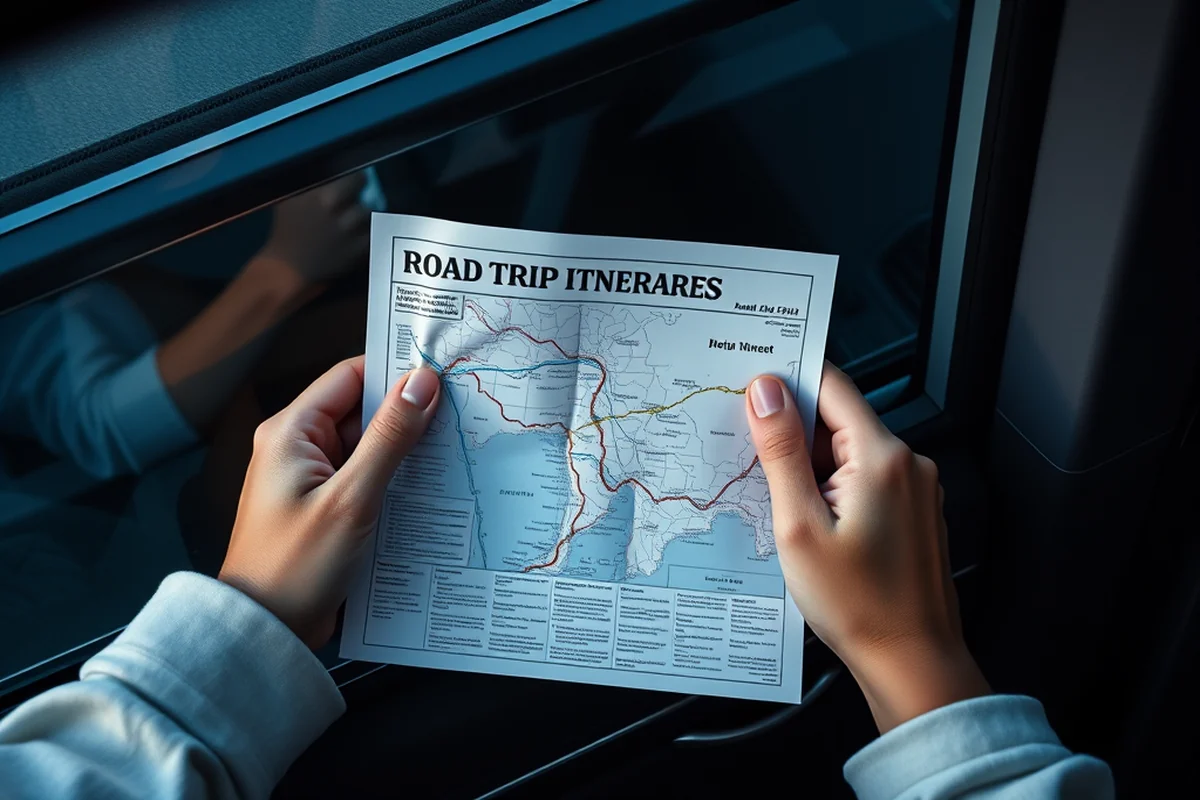
One tip I learned is to map out your route in segments. I divided my 4-day trip into three main segments, each with two stops. This made the planning easier and kept the journey from feeling overwhelming.
Break your trip into 2-3 day segments with 2 stops each. This keeps the planning manageable and the journey enjoyable.
Part of our Road trip packing itineraries routes guide.
What to Pack: A Beginner's Checklist
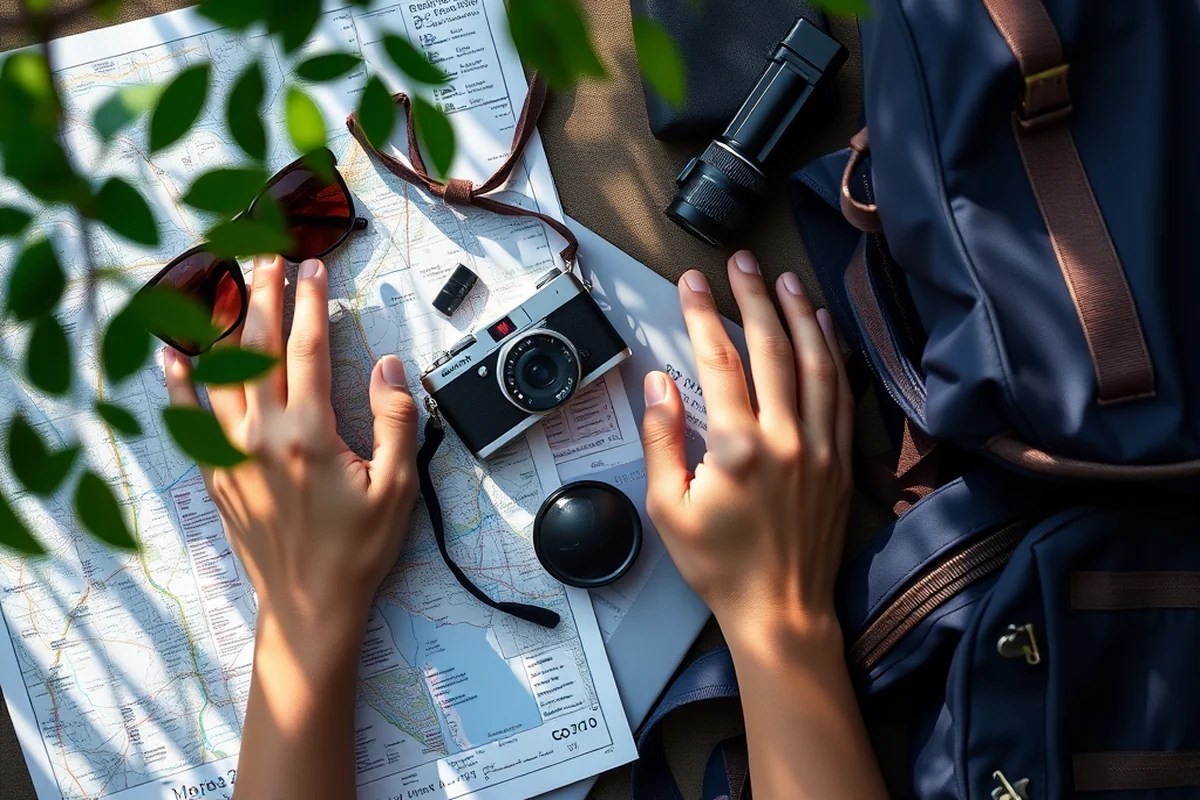
During my first trip, I packed too much — a full-sized toiletry kit, multiple sets of clothes, and even a tent I didn’t end up using. It made the van feel cramped and my luggage hard to manage. I learned the hard way that less is more with road trip packing.
I now use a 30-liter duffel bag as my main luggage, and I keep it organized with packing cubes. I have a separate cube for clothes, one for toiletries, and one for essential items like a reusable water bottle and a first-aid kit. This makes everything easy to find and access when I need it.
The most important items you should always pack are a reusable water bottle, a foldable sleeping bag, and a portable charger. These are the things that keep you comfortable and connected on the road.
Pack only what you need — and you’ll thank yourself later.
Related: Road trip packing itineraries routes examples
The Role of the Driver and Co-Pilot
On my trip, I was the driver, and my friend was the co-pilot — but we didn’t split responsibilities until halfway through. I realized that if I handled everything — route planning, driving, and even managing the music — it was exhausting. Giving my friend a few tasks, like handling the GPS and keeping track of the stops, made the journey much easier.
I now recommend assigning roles based on strengths. If one person is better with maps and the other with organizing, let them take charge of those tasks. This keeps everyone involved and reduces the chance of someone feeling overwhelmed.
A simple tip is to use a shared playlist or radio station to keep the mood light and make the driving more enjoyable. I found that a consistent music choice helped us stay in the same rhythm and avoid arguments about what to listen to.
Divide tasks like route planning, driving, and organizing so that everyone contributes and feels involved.
“I still remember the first time I packed for a road trip with my friends.”— Roadpacked editors
Related: Road trip packing routes mistakes to avoid
Choosing the Right Time of Year
I took my first trip in late spring, and it was a perfect time — the weather was warm enough to enjoy the outdoors but not hot enough to make the road feel unbearable. I later learned that summer can be too hot in some parts of the country, while winter can bring unpredictable weather and road closures.
Spring is often the best time for road trips, especially if you're visiting areas with seasonal attractions like wildflowers or festivals. I found that the crowds were manageable, and the weather was just right for outdoor activities.
I recommend checking the weather forecast for your route and adjusting your trip accordingly. For example, if you're planning a trip to the mountains, avoid winter unless you're equipped with the right gear.[1]
Related: Road trip packing itineraries routes mistakes to avoid
Staying on Budget
My first trip cost over $700, and it was mostly due to not planning where to stay and eat. I stayed in hotels that were overpriced for the area and ate at restaurants that weren’t budget-friendly. After learning from that trip, I focused on finding affordable accommodations like motels and campgrounds.
I now recommend looking for budget-friendly stops like motels, hostels, or even camping sites. I found that staying in a motel for $60 a night was much more affordable than a hotel. For food, I packed a few meals to cook on the road and ate at local diners instead of restaurants.
A simple tip is to use apps like Google Maps to find the cheapest motels and restaurants along your route. I found that doing a quick search for 'cheap motels near me' saved me hundreds of dollars on my trip.
💰 Budget Road Trip
Travel with minimal cost by choosing motels, campgrounds, and cooking on the road.
🚗 Long Weekend Adventure
A short but eventful trip with 3-4 stops and easy access to major attractions.
👨👩👧👦 Road Trip with Kids
Plan for entertainment, comfort, and easy access to kid-friendly stops and activities.
❄️ Off-Season Journey
Travel during the less busy months for lower prices and a more peaceful experience.
💎 Luxury Road Trip
Stay in high-end hotels, eat at top restaurants, and take scenic routes for a more refined experience.
| The mistake | Why it happens | The fix |
|---|---|---|
| Packing too much luggage | Overpacking makes the van feel cramped and makes it harder to find what you need when you're on the move. | Use a 30-liter duffel bag and pack only the essentials. Use packing cubes to keep things organized. |
| Not planning the route in advance | Not having a clear plan for your route can lead to confusion and wasted time on the road. | Plan your route in segments with 2 stops per day. Use a map app to find the best roads and attractions. |
| Not checking the weather forecast | Failing to check the weather can result in unexpected road closures or uncomfortable conditions. | Use a weather app to check the forecast for your route and adjust your plans accordingly. |
| Not assigning roles to co-travelers | Not dividing tasks between the driver and co-pilot can lead to stress and exhaustion. | Assign roles based on strengths — one person can handle the GPS, and the other can manage the music or food. |
Related: Road trip packing itineraries routes printable
Road Trip Packing Itineraries Routes For Beginners
Related: Road trip packing itineraries routes tips
Managing Your Gear with Smart Storage Solutions
Smart storage keeps your gear organized, accessible, and out of the way during a road trip.
I learned the hard way that tossing clothes and gear into the back of the car without a plan leads to chaos. On my first road trip, I packed a single suitcase and a duffel, only to find myself digging through a pile of tangled clothes and forgotten snacks. A better approach is to use vacuum-sealed bags for clothing, which save space and keep items wrinkle-free. I also use labeled bins for electronics, toiletries, and first-aid supplies — this way, everyone knows where to find what they need without opening the trunk. A collapsible duffel for daily essentials like clothes and toiletries is another game-changer. It’s easy to carry in and out of the car and prevents the chaos of rummaging through a messy pile.
Navigating the Unpredictable: Dealing with Detours and Emergencies
Unexpected detours and emergencies are a reality on any road trip. Knowing how to handle them can make or break your journey.
I once had to reroute my entire trip after a road closure near Yellowstone National Park, and it ended up being one of the most memorable parts of the trip. Having a backup plan, like a second map or a GPS with offline capabilities, is crucial. I always carry a printed map in case my phone dies, and I’ve learned that knowing alternate routes can save hours of frustration. It’s also wise to keep a small emergency kit in your car—think flashlight, extra batteries, a first-aid kit, and a spare tire if you're driving in more remote areas.
Being prepared for emergencies can ease stress and keep your travel experience on track. I’ve found that informing someone about your itinerary and checking in regularly can be a lifesaver if you get stranded. I always share my route with a friend or family member and set a check-in time, just in case. When unexpected situations arise, staying calm and flexible is key. I’ve had to change my plans multiple times, but each time, I found a new adventure or a hidden gem that I wouldn’t have discovered otherwise.
Another practical tip is to carry a portable power bank for your phone and other devices. I’ve been in situations where cell service was spotty, and a power bank allowed me to use navigation apps and stay connected. Also, having a basic understanding of roadside assistance and knowing how to contact local help in different regions can be invaluable. I’ve learned that being proactive and prepared can turn a potential disaster into a minor inconvenience, and that mindset has made my road trips safer and more enjoyable.
Common Questions
How many stops should I plan for on a 4-day trip?
What are the best times to travel for a road trip?
How can I keep my budget low on a road trip?
What is the most important item to bring on a road trip?
References
- united states department of agriculture forest service fsh 6709.11 ... (semspub.epa.gov)
Cite this guide
Roadpacked (2026). Road Trip Packing Itineraries Routes For Beginners. https://roadpacked.com/road-trip-packing-itineraries-routes-for-beginners/
Feel free to cite or share this guide.
Family Road Trip Packing List
Packing checklist for family road trips filtered by kid ages, length and season.
Open it free →