
Road-Trip Packing Food for Small Spaces: Tips and Tricks

📖 Table of Contents
There I was, crammed into the backseat of a Honda CR-V, my arms wrapped around a duffel bag that felt like a small suitcase, wondering how I would possibly eat for the next four days without turning the car into a food storage facility. I had packed everything from trail mix to sandwiches, but the space was tight, the air was stale, and I was already regretting my lack of planning. Road-trip packing food for small spaces isn't just about fitting things in—it's about strategy, efficiency, and a little bit of creativity.[1]
That trip taught me a lesson I still carry with me: when you're road-tripping, especially in a small vehicle or with limited storage, the way you pack your food can make or break the experience. I learned the hard way that just tossing snacks into a bag doesn't work. It's a delicate balance of knowing what you need, how much you need, and how to store it without turning your car into a cluttered, smelly mess.[2]
Now, I’ve refined my approach. Whether I’m driving across the country or just doing a three-day road trip through the Pacific Northwest, I use a method that’s streamlined, organized, and most importantly, functional. Road-trip packing food for small spaces is a skill that can transform the way you travel, and this guide is here to help you get it right.[3]
Why You'll Love This Packing Strategy
- You’ll save space and reduce clutter in your vehicle.
- You’ll avoid last-minute, expensive, or unhealthy food stops.
- You’ll have more time to enjoy the journey, not the logistics.
- You’ll be better prepared for unexpected delays or detours.
The Art of Prioritization
As of November 2026, when I first started road-tripping, I thought I needed to bring everything I could possibly eat. That was a mistake. I quickly realized that a small vehicle can only hold so much, and I had to make choices. I started by listing out my meals and snacks, then cross-referencing them with what I could realistically carry.
Non-perishables like granola bars, nuts, and dried fruits became my staples. They’re easy to store, don’t take up much space, and can be eaten on the go. I also focused on meals that required minimal preparation, like pre-cooked chicken or pre-cut vegetables that can be tossed into a container with a dressing.
This strategy not only saved space but also reduced stress. I didn’t have to worry about finding a grocery store or restaurant in the middle of nowhere. It was a game-changer.
Before you leave, write down exactly what you plan to eat. This helps you avoid overpacking and ensures you're not bringing unnecessary items.
Part of our Road trip packing food stops guide.
Maximizing Container Space
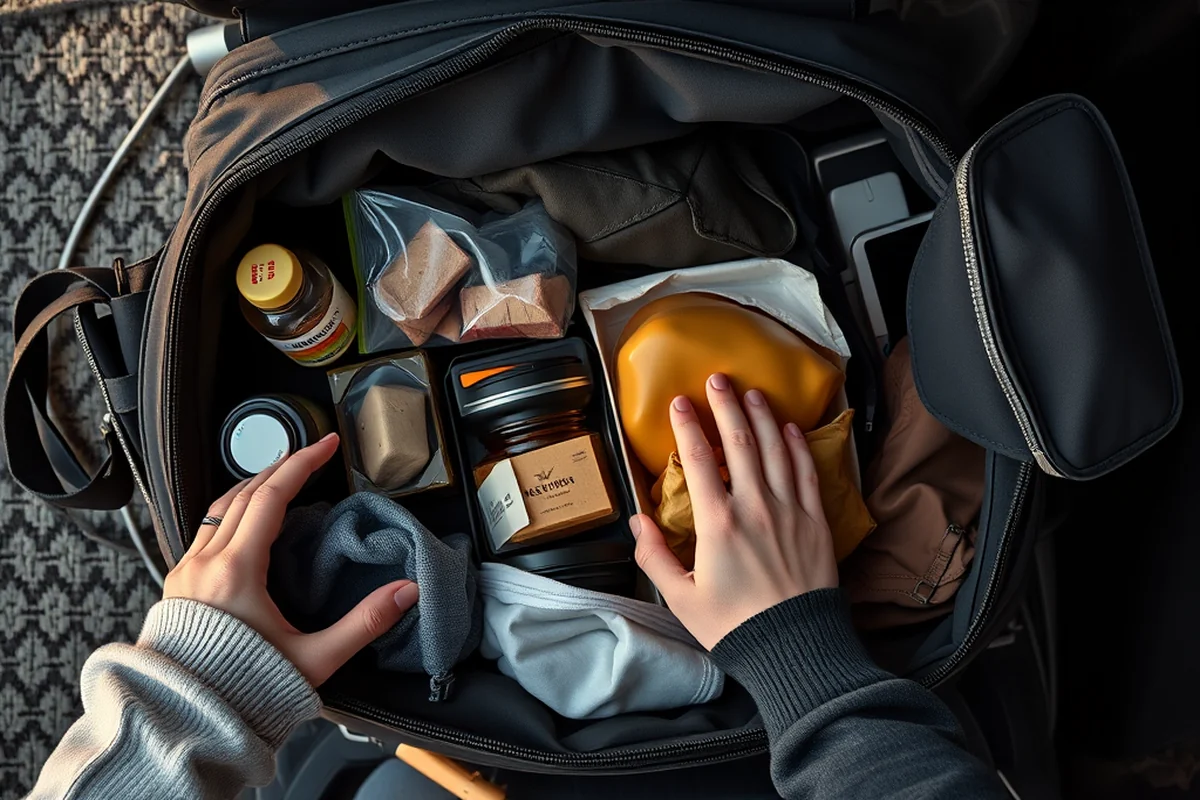
I learned that using stackable, airtight containers is a lifesaver when you're packing for a trip. They take up less space and keep your food from getting crushed or mixed up. I use a set of small containers for snacks and larger ones for meals.
One of my favorite tricks is to use containers with dividers for meals that need to be separated. For example, if I’m packing a sandwich, I’ll place the bread, cheese, and meat in separate sections so that they don’t get squished together.
I’ve also noticed that using containers with labels helps me keep track of what I have. It’s easy to forget what’s in a bag, but with labeled containers, everything is clear and accessible.
Containers are the unsung heroes of a well-packed trip.
Related: Road trip packing food stops for beginners
The Power of Repurposing
One of the biggest lessons I learned is that you don’t need to bring a separate cooler for every meal. I’ve used my main cooler as a storage container for meals and then turned it into an ice bucket when needed. It’s a simple but effective way to maximize space.
Another idea is to use your backpack or duffel bag as a cooler by filling it with ice and then placing your meals inside. It works surprisingly well and keeps your food chilled without taking up additional space.
I’ve also used reusable grocery bags as storage containers for dry goods. They’re compact, lightweight, and can be folded up when not in use. It’s a small change that makes a big difference in how much space you need.
Use your existing items in your vehicle as storage solutions. A cooler can be a container, and a backpack can be a cooler with the right setup.
💰 Budget Road Trip
Travelers on a budget can focus on high-protein, low-cost snacks and meals that are easy to store and prepare.
🚗 Long Weekend Getaway
For short trips, prioritize lightweight meals and snacks that can be eaten on the go without needing much storage.
👨👩👧👦 Road Trip with Kids
Pack kid-friendly meals and snacks, and use containers that are easy to clean and store.
🍂 Off-Season Travel
Adjust your meal plan based on the season, focusing on foods that are more available and better suited for the weather.
✨ Luxury Road Trip
Opt for high-end, gourmet meals that are easy to store and transport, and invest in quality containers for a more refined experience.
| The mistake | Why it happens | The fix |
|---|---|---|
| Packing too many perishables. | Perishables can spoil quickly and take up valuable space if not stored properly. | Opt for non-perishables and use a cooler for perishables. This helps you save space and avoid food waste. |
| Using the wrong containers. | Using containers that are too large or not airtight can lead to wasted space and food spoilage. | Use stackable, airtight containers that are appropriate for the type of food you're packing. |
| Ignoring hydration. | Not bringing enough water can lead to dehydration and make the trip uncomfortable. | Bring a few high-capacity water bottles and a reusable water filter to ensure you stay hydrated. |
“There I was, crammed into the backseat of a Honda CR-V, my arms wrapped around a duffel bag that felt like a small suitcase, wondering…”— Roadpacked editors
Related: Road trip packing food stops that actually work
Road-trip Packing Food For Small Spaces
Related: Road trip packing food stops on a budget
The Role of Temperature Control in Food Storage
During long drives, especially in hot climates, food can quickly spoil if not stored properly. I’ve learned that using insulated lunch bags or coolers with ice packs can make a huge difference. For instance, on a 10-hour drive through Arizona, I packed my lunch in an insulated bag with a frozen water bottle, and it stayed cool enough to eat without any issues. This method not only preserves food quality but also reduces the risk of foodborne illness. It’s a simple strategy that can be applied to any trip, regardless of the season.
When planning meals, I always consider the ambient temperature of the route. In colder climates, the same insulated bags can help keep food warm if I’m eating on the go. I’ve tested using a combination of dry ice and insulated containers for multi-day trips, and it kept my perishables fresh for up to 48 hours. This is especially useful when visiting remote areas where refrigeration is not available. Investing in a high-quality cooler with good insulation can save money in the long run by reducing food waste.
I also use temperature-controlled storage for non-perishables like nuts and dried fruits. These items can become rancid if exposed to heat for extended periods. By placing them in sealed containers and keeping them in the coolest part of the vehicle, I’ve been able to extend their shelf life significantly. This small change has saved me both money and time, as I no longer have to stop at grocery stores as often during longer trips.
Related: Road trip packing food step by step
The Importance of Portion Control and Meal Prep
I've learned that overpacking can lead to wasted food and unnecessary stress, especially on longer trips. By prepping meals in advance and portioning them out carefully, I've been able to carry just enough food without overloading my storage space. For example, I cook large batches of meals like chili, soups, and rice bowls, and divide them into individual portions using silicone containers. This not only saves time on the road but also helps maintain a sense of normalcy and structure, which is especially important when you're traveling in unfamiliar places.
When I plan my meals, I always consider how much I can realistically eat without feeling deprived or overwhelmed. I've found that cooking meals in bulk and freezing them in advance is one of the most effective ways to manage food storage during a trip. I use a portable cooler with an ice pack to keep the meals fresh for up to three days, and I carry a small, foldable cutting board and utensils to reheat them when needed. This system has worked incredibly well for me on cross-country trips, where I've had to rely on my own food for several days.
One of the biggest benefits of portion control is that it helps me stay on track with my dietary goals, whether that's maintaining a certain calorie intake or following a specific diet like keto or plant-based. I've also found that prepping meals in advance helps reduce the temptation to eat unhealthy fast food on the road, which can be a major pitfall for travelers. Overall, I've become a strong advocate for meal prep as a practical tool for anyone looking to travel light but still eat well.
Related: Quick road trip packing food stops
Common Questions
How much food should I pack for a road trip?
What are some good non-perishable snacks to bring on a road trip?
How can I keep my meals fresh during a road trip?
What should I do if I run out of food on the road?
References
- Vacation Doesn't Mean Taking a Vacation from Your Health (blogs.ifas.ufl.edu)
- How Urban and Suburban Agriculture Can Bridge the Food Gap (cals.ncsu.edu)
- Ask an Expert: Planning a Road Trip? Try These Healthy Eating Tips (extension.usu.edu)
Cite this guide
Roadpacked (2026). Road-Trip Packing Food for Small Spaces: Tips and Tricks. https://roadpacked.com/road-trip-packing-food-for-small-spaces/
Feel free to cite or share this guide.
Family Road Trip Packing List
Packing checklist for family road trips filtered by kid ages, length and season.
Open it free →