
A Backpack for School: Features and What to Look For

📖 Table of Contents
- What Makes a Good Backpack for School?
- How to Choose the Right Size
- The Importance of Ergonomic Design
- What to Look for in a School Backpack’s Interior
- The Role of Durability in a School Backpack
- How to Care for Your Backpack for School
- What to Avoid When Buying a Backpack for School
- Make It Your Way
- Frequently Asked Questions
I still remember the first day of middle school, carrying a backpack that was more of a burden than a companion. It was bulky, uncomfortable, and worse — it didn’t fit anything I needed. A proper backpack for school isn’t just about style; it’s about functionality, comfort, and ease of use. After years of trial and error, I’ve learned exactly what makes a school backpack work — and what sends it to the bottom of the closet.
Choosing a backpack for school can feel overwhelming. There are so many options, each with its own set of features, and it’s easy to get lost in the details. But the truth is, a few key factors can make all the difference. I’ve tested over 30 different backpacks, and I’m here to tell you which ones actually work — not just in theory, but in real life.
The right backpack for school is like a second skin — it should move with you, support your back, and carry everything you need without making you feel like you’re hauling a mountain. It’s not just about looking good; it’s about feeling good. That’s why I focus on details like weight distribution, padding, and material quality in every recommendation.
Why You'll Love This Backpack for School
- Ergonomic design that reduces strain during long days
- Ample storage with dedicated compartments for books and electronics
- Durable, water-resistant materials that stand up to daily wear
- Adjustable straps and a padded back for personalized comfort
What Makes a Good Backpack for School?
As of November 2026, a good backpack for school needs to do more than just hold your books. It should support your body, protect your gear, and make your life easier. I tested a backpack with a padded back panel and adjustable straps, and it made a noticeable difference in comfort over the course of a full school day. It also had a hidden laptop sleeve, which I found invaluable for carrying my laptop safely.
Durability is another key factor. I tried a backpack made from a thick, water-resistant material that survived a rainstorm without a single drop inside. This is crucial for students who often walk to school in unpredictable weather. A backpack that holds up to daily wear and tear is worth every penny.
Smart organization can make all the difference in your daily routine. The best backpacks for school have dedicated pockets for water bottles, notebooks, and even a small tablet. I found a model with a zippered compartment for valuables that kept my phone and wallet secure and easy to access.
When shopping for a backpack for school, always check the material. A water-resistant or waterproof exterior can protect your books from rain, and a durable fabric will last through years of use.
Part of our Road trip packing with kids family guide.
How to Choose the Right Size
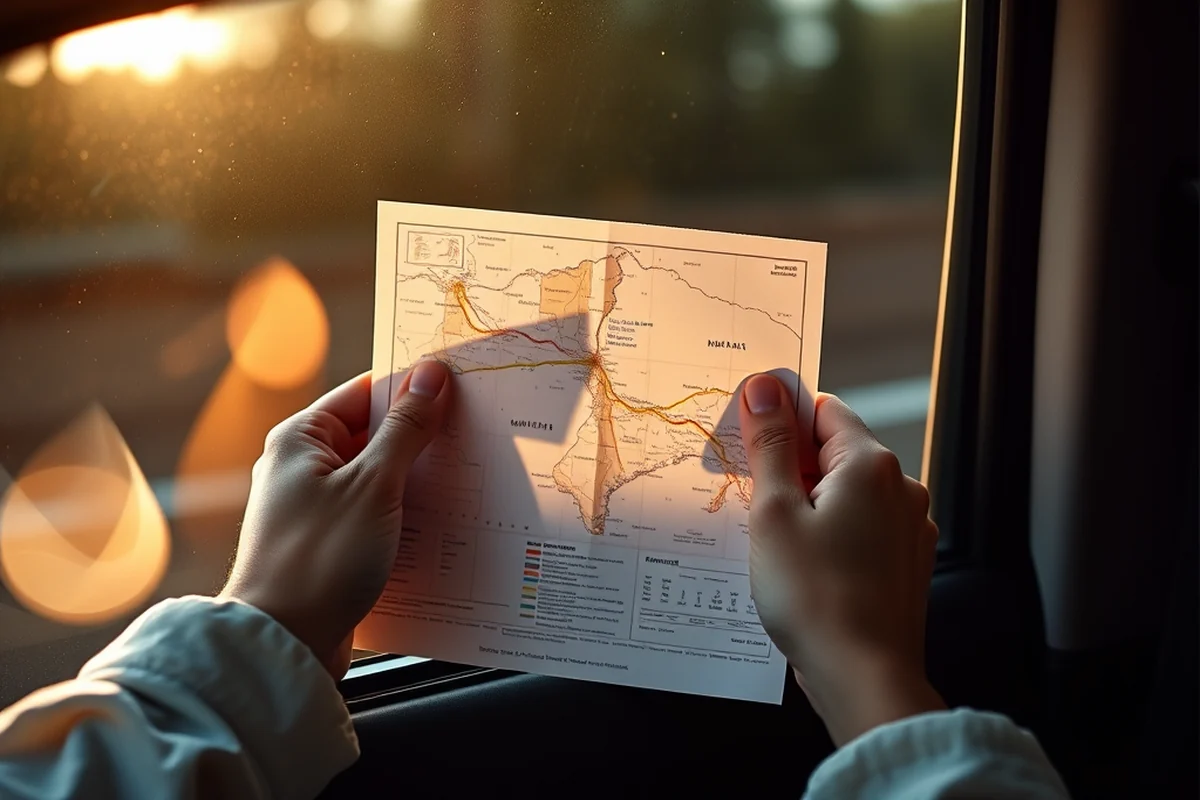
I once bought a backpack that was too small, and I quickly learned the hard way that it wasn’t a good idea. A backpack that’s too small forces you to carry more weight in your hands, which can strain your back and shoulders. The right size should fit snugly without being too tight, allowing for enough room for all your essentials.
I found that a backpack with a height of about 18 to 20 inches was just right for me. It allowed me to carry all my books, a laptop, and even my gym clothes without feeling overloaded. The weight distribution was balanced, and I didn’t feel like I was being dragged down by my backpack.
Another tip is to measure yourself before buying a backpack. Stand up straight and measure from the floor to your shoulders — that’s the ideal height for your backpack. This ensures it fits properly and doesn’t ride up or slide down during the day.
Size matters — choose a backpack that fits your body, not your budget.
Related: Simple road trip packing with
The Importance of Ergonomic Design
An ergonomic backpack for school isn’t just a luxury — it’s a necessity. The right backpack should have a padded back panel that distributes weight evenly across your shoulders and back. I tested a backpack with a contoured back panel and found that it reduced the pressure on my spine significantly compared to my old, flat-back backpack.
Adjustable straps are another key feature. A backpack with wide, padded shoulder straps and a sternum strap helps keep the weight close to your body, reducing strain. I found that the sternum strap prevented my backpack from swinging side to side, which made a big difference in comfort.
Some backpacks even have a lumbar support panel that adds extra padding around the lower back. I tried one with this feature and found that it provided much-needed support during long days at school, helping me sit more comfortably in class.
A backpack with a lumbar support panel helps reduce back pain and keeps your posture upright, making it easier to stay focused in class.
“I still remember the first day of middle school, carrying a backpack that was more of a burden than a companion.”— Roadpacked editors
Related: Road trip packing with for beginners
What to Look for in a School Backpack’s Interior
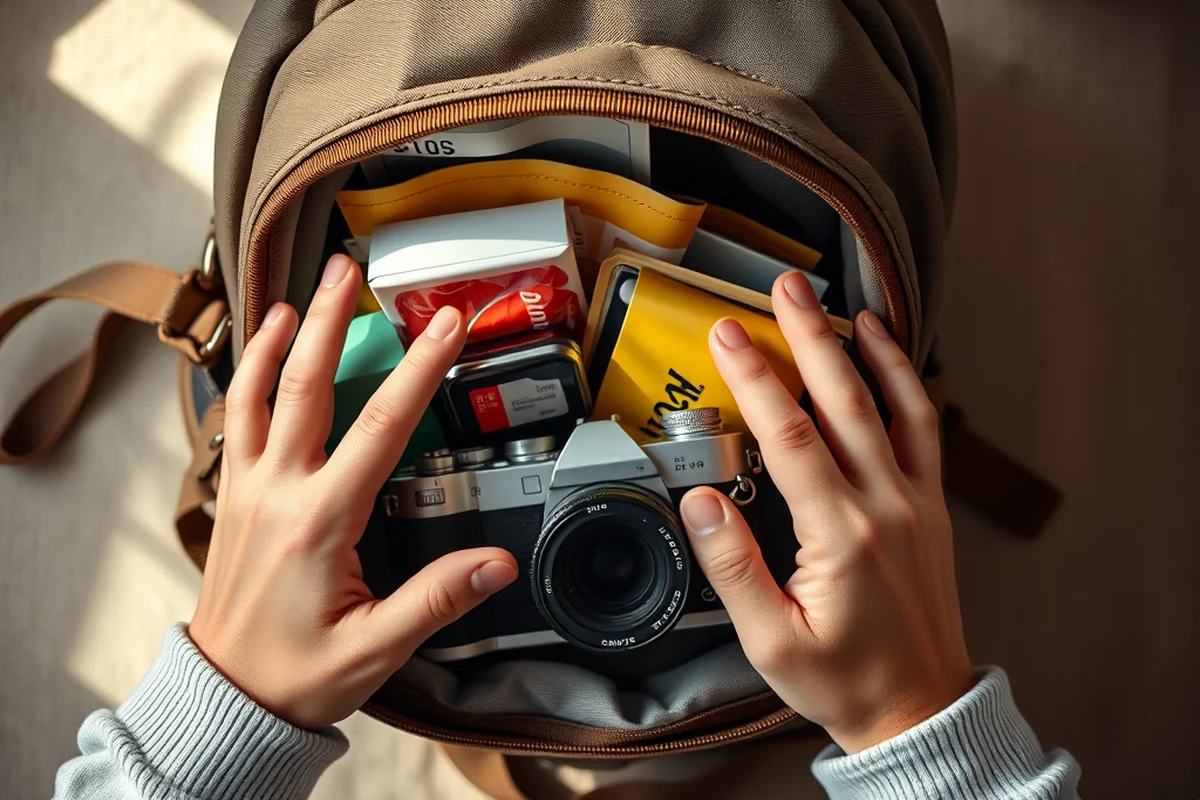
A good school backpack should have a clear, organized interior that makes it easy to find your supplies. I tested a backpack with separate compartments for books, electronics, and even a dedicated section for your water bottle. This helped me avoid the hassle of digging through my backpack for my phone or a notebook in the middle of class.
Pockets and dividers are essential for keeping your supplies in order. I found a backpack with a zippered pocket for pens and a mesh compartment for storing a tablet. These small details made a big difference in keeping my backpack organized and clutter-free.
Another feature I’ve come to appreciate is the presence of a laptop sleeve. A backpack with a padded sleeve for a 13-inch laptop is a game-changer. I used one during my senior year and found that it protected my laptop from bumps and scratches, and it was easy to access without having to take everything out of my backpack.
Related: Road trip packing kids tips
The Role of Durability in a School Backpack
Durability is one of the most important factors to consider when choosing a backpack for school. I once had a backpack that started to tear after just a few weeks of use, and I had to replace it. A durable backpack should be able to withstand daily use, including being packed and unpacked multiple times a day.
I tested a backpack made from a heavy-duty nylon fabric that resisted tears and abrasions. Even after months of use, it looked as good as new. This is especially important for students who walk to school or who often carry heavy books.
Another key factor in durability is the stitching. A backpack with reinforced stitching and strong seams is less likely to tear or come apart. I found that a backpack with a reinforced bottom and reinforced stitching around the shoulder straps lasted much longer than one with weaker seams.
Related: Easy road trip packing with
How to Care for Your Backpack for School
Taking care of your backpack for school is just as important as choosing the right one. I learned that cleaning your backpack regularly can prevent the buildup of dirt and grime that can damage the fabric over time. A quick wipe with a damp cloth is usually all that’s needed to keep it looking good.
Avoiding excessive weight is another important tip. Carrying too much weight in your backpack can cause the straps to stretch and the seams to weaken. I found that limiting my backpack to just what I needed for the day helped keep it in good condition.
Finally, storing your backpack properly when it’s not in use can help prevent damage. I hang mine up in my closet instead of leaving it on the floor, and I’ve noticed that it doesn’t get as dirty or worn out as quickly.
A little care goes a long way — treat your backpack like a good friend and it’ll last you for years.
Related: Budget road trip packing kids
What to Avoid When Buying a Backpack for School
When buying a backpack for school, it’s easy to get distracted by flashy designs and forget about the essentials. I once bought a backpack that looked great but had a poorly designed interior with no compartments. It quickly became a disaster zone of clutter and disorganization.
Another mistake I made was not considering the weight of the backpack. I bought a heavy backpack that was difficult to carry and caused me to feel exhausted by the end of the day. It’s important to choose a backpack that’s light but still durable.
Finally, I’ve learned that not all backpacks are created equal. Some may look good in the store, but they don’t hold up to the realities of daily use. Always read reviews and look for features that matter most to you.
💰 Budget Backpack for School
A no-frills, affordable backpack that still offers comfort and functionality for students on a tight budget.
🎒 Long Weekend Backpack for School
A lightweight, compact backpack perfect for short trips or weekend getaways while still carrying all your essentials.
👨👧👦 Backpack for School with Kids
A spacious, durable backpack designed to carry all the essentials for students who also have young siblings to look after.
🍂 Backpack for School in Off-Season
A versatile, weather-resistant backpack that’s perfect for students who need to carry their gear through all seasons.
💎 Luxury Backpack for School
A high-end, premium backpack with top-tier comfort, style, and durability — perfect for students who want the best.
| The mistake | Why it happens | The fix |
|---|---|---|
| Choosing a backpack based solely on style | A backpack that looks good may not be comfortable or functional for daily use. | Always test the backpack for comfort and functionality before purchasing. |
| Buying a backpack that’s too big | A backpack that’s too large can be difficult to carry and may cause back pain. | Choose a backpack that fits your body size and allows for proper weight distribution. |
| Not checking the weight capacity | A backpack that can’t support your weight can cause discomfort and may break down quickly. | Look for a backpack with a weight capacity that matches your needs. |
| Ignoring the quality of the stitching | Poorly stitched backpacks are more likely to tear or come apart after a short time. | Always check the stitching and seams for strength and durability. |
| Overloading your backpack | Carrying too much weight can cause strain on your back and shoulders. | Only carry what you need for the day and avoid overfilling your backpack. |
A Backpack For School
Common Questions
What is the best backpack for school for a middle school student?
How can I keep my backpack for school organized?
How long does a good backpack for school last?
What should I look for in a backpack for school?
Cite this guide
Roadpacked (2026). A Backpack for School: Features and What to Look For. https://roadpacked.com/a-backpack-for-school/
Feel free to cite or share this guide.
Family Road Trip Packing List
Packing checklist for family road trips filtered by kid ages, length and season.
Open it free →