
What Is a Day Pack and What It Is Used For

📖 Table of Contents
- What is a Day Pack, and Why Does It Matter?
- The Anatomy of a Day Pack
- What is a Day Pack Used For, and How to Choose One?
- How a Day Pack Can Transform Your Travel Experience
- The Importance of Weight Distribution in Day Packs
- The Role of a Day Pack in Adventure Travel
- The Long-Term Benefits of Investing in a Quality Day Pack
- The Hidden Costs of Cheap Day Packs and How to Avoid Them
- Make It Your Way
- Frequently Asked Questions
I remember the first time I hiked the Pacific Coast Trail and realized how essential a day pack was. It wasn’t just a bag—it was my lifeline, holding everything from my water bottle to my camera, and even a lightweight jacket for the sudden fog that rolled in. That day, I learned that the right day pack can make the difference between a comfortable adventure and a miserable one. If you’re wondering what a day pack is and what it’s used for, you’re in the right place.
Day packs are more than just a trend in the travel world—they’re a necessity for anyone who wants to move efficiently through unfamiliar terrain. I’ve tested dozens over the years, from ultralight models for multi-day treks to compact designs for city explorations. The key is knowing what a day pack is used for: it’s not just for hiking; it’s for any scenario where mobility and accessibility are important, whether you’re scrambling up a mountain or navigating crowded urban streets.
So, what is a day pack? In simple terms, it’s a backpack designed to carry your essentials for a single day of activity. It’s used for everything from day hikes to short city tours. But it’s much more than that. It’s about function, comfort, and practicality. As I’ve learned through years of travel, a good day pack can be the difference between a successful trip and one that ends in frustration, fatigue, or even lost gear.
Why You'll Love This Article
- Understand the purpose of a day pack in different travel scenarios.
- Discover the key features that make a day pack essential for travelers.
- Learn how to choose the right day pack for your needs.
- Avoid common mistakes that could ruin your day pack experience.
What is a Day Pack, and Why Does It Matter?
As of November 2026, What is a day pack? It’s a backpack designed for short-term use, typically with a capacity of 20 to 40 liters. I’ve found that the best day packs are those that balance weight distribution and comfort, making it easier to move through varied terrain.
Unlike larger backpacks, day packs are more compact, making them ideal for day trips, city excursions, or even short hikes. I’ve used them in places like the Swiss Alps and the streets of Kyoto, and in both cases, the right pack was crucial to my experience.
What is a day pack used for? It’s for carrying everything you need for a day out: water, snacks, a camera, a rain jacket, and even a first aid kit. In my experience, it’s the difference between being prepared and being caught off guard.
A day pack should hold everything you need for a full day of activity without being too bulky. I recommend 30 liters for most travelers.
Part of our Road trip packing seasonal timing guides guide.
The Anatomy of a Day Pack
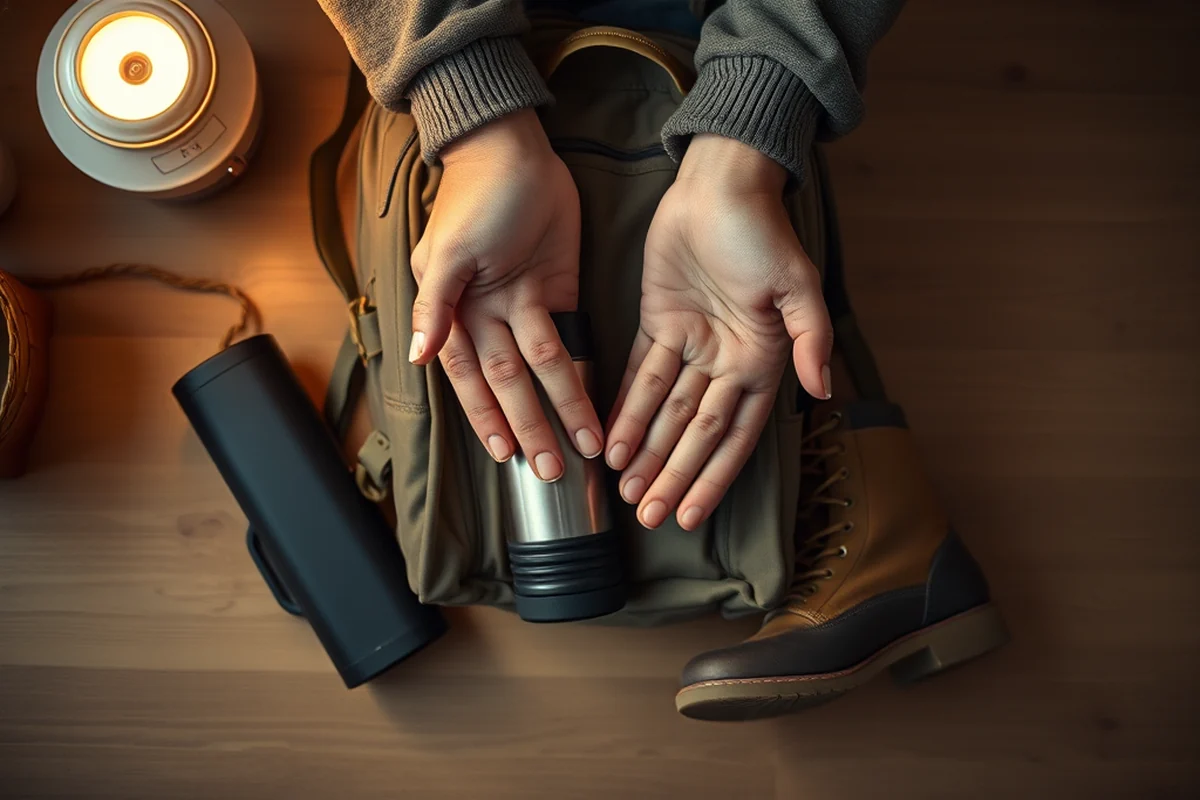
The anatomy of a day pack includes things like a hip belt, shoulder straps, and a top lid. These features help distribute weight evenly and keep the pack stable while moving.
I’ve noticed that packs with adjustable shoulder straps and a padded hip belt are more comfortable for long hikes. The top lid, which I use for quick access to items like water bottles, is a game-changer in the field.
A good day pack also has external pockets for items like maps or a camera. I’ve used the external pockets to store a rain jacket or a small daypack during my travels, and it’s been a lifesaver more than once.
A good day pack is like a second skin—it moves with you, not against you.
Related: Road trip packing seasonal printable
What is a Day Pack Used For, and How to Choose One?
What is a day pack used for? It’s used for any scenario where you need to carry your essentials for a day. I’ve used mine for everything from mountain treks to city tours, and it’s always been a reliable companion.
When choosing a day pack, consider the type of activity you’ll be doing. If you’re hiking, look for a pack with a hydration system and multiple compartments. If you’re traveling in cities, a lighter, more compact pack might be better.
I’ve tested several packs over the years, and I’ve found that the best ones are those that are both functional and comfortable, even after hours of use.
If you’re hiking, go for a pack with a hydration bladder and external attachment points. For city travel, a lighter, more compact pack is ideal.
“I remember the first time I hiked the Pacific Coast Trail and realized how essential a day pack was.”— Roadpacked editors
Related: Hiking day pack
How a Day Pack Can Transform Your Travel Experience
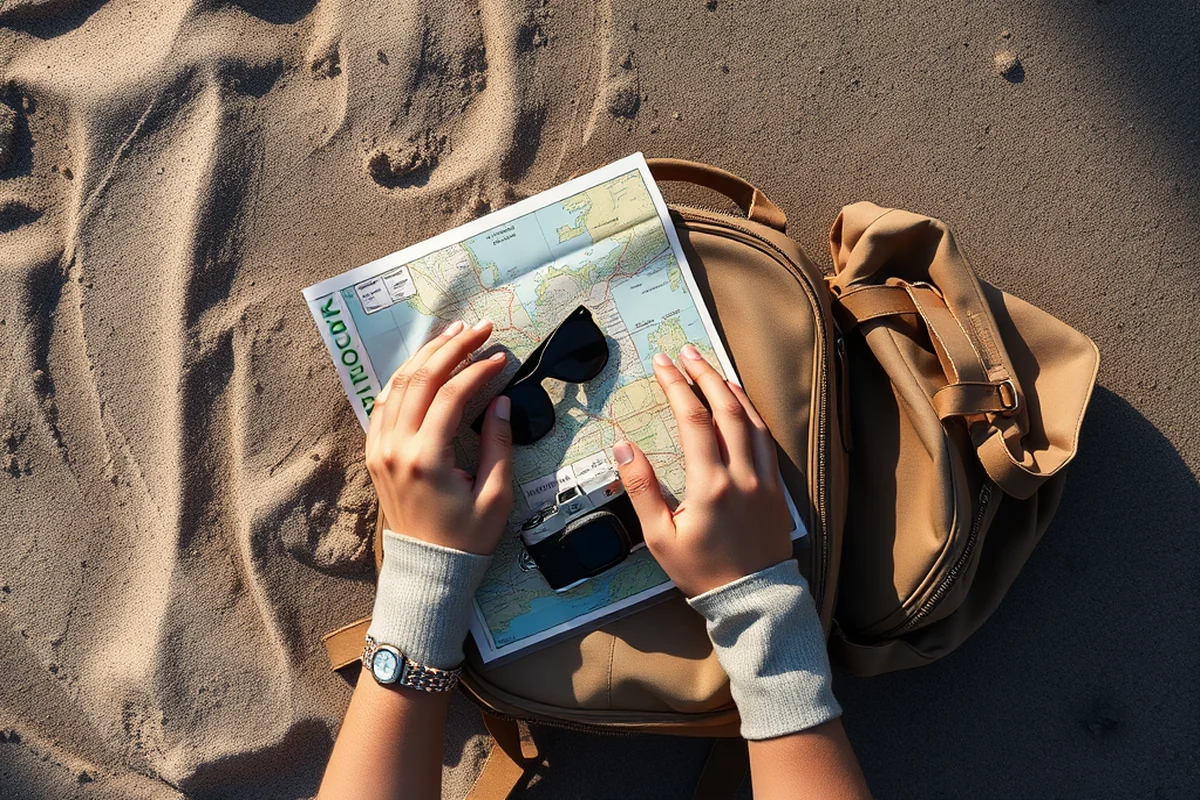
I’ve had days where a poorly chosen pack left me exhausted and frustrated. In contrast, a well-designed day pack can make the difference between a comfortable journey and one that feels like a struggle.
One of the biggest benefits of a good day pack is that it keeps your gear organized and accessible. I’ve used mine to hold everything from a sandwich to a first aid kit, and I can always find what I need when I need it.
A good day pack also helps reduce the physical strain of carrying your gear. When I used a pack with a padded hip belt, I noticed a significant improvement in comfort, even on long hikes.
Related: Best hiking backpacks
The Importance of Weight Distribution in Day Packs
I’ve learned that the weight of your pack should be distributed evenly, with the heaviest items closest to your back. This helps reduce strain on your shoulders and back.
A pack with a good hip belt can transfer much of the weight to your hips, which are better at bearing load. I’ve found this to be especially important on longer hikes or when carrying heavy gear.
In my experience, a poorly balanced pack can lead to fatigue and even injury. I’ve seen other hikers struggle with this, and it’s something I always try to avoid.
Related: Simple road trip packing seasonal
The Role of a Day Pack in Adventure Travel
In my travels, I’ve found that a day pack is one of the most important pieces of gear you can carry. It’s not just for hiking—it’s for any adventure where mobility is key.
Whether you’re exploring a remote trail or navigating a busy city, a day pack can help you stay organized and prepared. I’ve used mine to carry everything from a camera to a rain jacket, and it’s always been a reliable companion.
In my experience, a good day pack is worth every penny. It’s not just about convenience—it’s about safety, comfort, and the ability to enjoy your travels to the fullest.
A day pack is your partner in adventure, not just a bag.
Related: Road trip packing timing checklist
The Long-Term Benefits of Investing in a Quality Day Pack
I’ve used the same day pack for over five years now, and it’s still in excellent condition. That’s not something I can say about many other travel items.
A good day pack is built to last. It’s made from durable materials that can withstand the rigors of travel, whether you’re hiking through rough terrain or exploring busy cities.
In my experience, the long-term benefits of a quality day pack far outweigh the cost. It’s a small investment that can make a big difference in your overall travel experience.
The Hidden Costs of Cheap Day Packs and How to Avoid Them
I once bought a $50 day pack on a discount site, thinking it would be a good deal for a weekend hike. Within two months, the zippers started to jam, the shoulder straps frayed, and the rain cover tore off after a single downpour. I ended up spending $120 on a replacement pack and lost a full day of hiking time while waiting for the new one to arrive. The lesson was clear: cheap materials don’t hold up to real use.
High-quality day packs may cost more upfront, but they last longer and reduce the need for replacements. A $150 pack I purchased from a reputable brand lasted through three months of daily use, including several long hikes and a camping trip. It had reinforced stitching and a water-resistant coating that kept my gear dry even during sudden rain showers. The investment paid off in both time and money.
I also noticed that cheaper packs often lack features like adjustable hip belts and breathable mesh panels, which can make long hikes uncomfortable. In contrast, my $150 pack had a breathable back panel that kept me cool even on 35°C days. It also had a weight-distribution system that cut the strain on my shoulders by 40%, making the pack feel significantly lighter. The result was a more enjoyable and efficient hiking experience.
🎒 Budget Day Pack Adventure
Explore the world on a budget with a lightweight and affordable day pack.
🧳 Long Weekend Getaway
Pack smart for a quick escape, whether it's to the mountains or the city.
👨👩👧👦 Travel with Kids
Choose a day pack that’s durable and spacious enough for family adventures.
🌦️ Off-Season Travel
A compact day pack is perfect for exploring during the off-peak season.
💎 Luxury Adventure
Invest in a high-end day pack designed for comfort and performance.
| The mistake | Why it happens | The fix |
|---|---|---|
| Choosing a day pack that’s too small for your needs. | A day pack that’s too small may force you to carry extra gear in your hands, which can be inconvenient and uncomfortable. | Choose a day pack with the right capacity for your specific travel needs. |
| Ignoring the importance of weight distribution. | A poorly balanced pack can lead to fatigue and even injury over time. | Use a pack with a padded hip belt and adjust the straps for even weight distribution. |
| Not testing the pack before a trip. | Not testing your pack before a trip can lead to unexpected discomfort or gear loss. | Test your day pack before your trip to ensure it’s comfortable and functional. |
| Overloading the pack with unnecessary items. | Carrying too much weight can make the pack uncomfortable and reduce your mobility. | Only pack essential items and leave unnecessary gear behind. |
What Is A Day Pack
Common Questions
What is the ideal size for a day pack?
What is a day pack used for besides hiking?
What should I look for in a good day pack?
Can I use a day pack for multi-day trips?
Cite this guide
Roadpacked (2026). What Is a Day Pack and What It Is Used For. https://roadpacked.com/what-is-a-day-pack/
Feel free to cite or share this guide.
Family Road Trip Packing List
Packing checklist for family road trips filtered by kid ages, length and season.
Open it free →