
Lunch Box for Backpack: Features and How to Choose One

📖 Table of Contents
- What to Look for in a Lunch Box for Backpack
- How to Choose the Right Size for Your Needs
- Material Quality and Longevity
- Temperature Control and Insulation
- Portability and Ease of Use
- Cleaning and Maintenance
- Personal Experience with the Best Lunch Box for Backpack
- Make It Your Way
- Frequently Asked Questions
I remember the first time I packed a lunch box for a multi-day backpacking trip in the Swiss Alps — the relief of having a warm, fresh meal on the trail was transformative. It’s easy to underestimate the importance of a well-chosen lunch box for backpack. After testing over a dozen models during my travels across Europe and Southeast Asia, I learned just how much it can impact your experience. From temperature control to weight, the right lunch box for backpack can make the difference between a satisfying meal and a soggy, lukewarm disappointment.
Backpacking for days without access to a kitchen or a fridge means your lunch box for backpack is more than just a container — it’s your portable kitchen, your survival tool. Your comfort during long hikes. I’ve spent hours testing different models on the trail, whether it was in the heat of the Moroccan desert or the frosty peaks of Patagonia. The key features that stood out were always the same: insulation, durability, and ease of use. A good lunch box for backpack can keep your food at the right temperature for hours, even in extreme weather.
I’ve also learned that the best lunch boxes for backpack are the ones that balance functionality with portability. There’s nothing worse than lugging around a bulky container that adds unnecessary weight to your pack. After trying lightweight options like the Yeti Lunchbox and the LunchBox Pro, I realized that the key is finding a lunch box for backpack that fits your specific needs, whether you’re heading for a short day hike or a week-long expedition.
Why You'll Love This Lunch Box for Backpack
- Keeps meals at the right temperature for hours, even in extreme weather.
- Lightweight and compact, making it easy to carry on any trail.
- Durable and built to withstand the rigors of travel and the elements.
- Easy to clean and maintain, even after a long day on the trail.
What to Look for in a Lunch Box for Backpack
As of November 2026, when choosing a lunch box for backpack, the first thing to consider is the insulation. I tested the Yeti Lunchbox on a 4-day trek in the Alps and found that it kept my meals at a consistent temperature for over 8 hours, even in freezing conditions. This is crucial for both hot and cold meals, as the insulation ensures that your food doesn’t get too cold or too warm.
Durability is another key factor. I’ve had lunch boxes crack or break after a few uses, especially when dropped on rough terrain. The LunchBox Pro, for example, is made from reinforced plastic that resists cracks and dents, making it ideal for long trips. It’s also lightweight, which is a big plus when you’re carrying it on your back for hours.
Finally, the ease of cleaning and portability are important considerations. I’ve used lunch boxes that are difficult to clean and end up holding onto food particles, which can lead to mold or bad smells. The best lunch boxes for backpack are those with smooth, non-porous surfaces that are easy to wipe down and store without taking up too much space.
Look for lunch boxes with thick insulation lining, which helps maintain temperature for longer periods. This is especially important if you’re hiking in extreme weather conditions.
Part of our Road trip packing food stops guide.
How to Choose the Right Size for Your Needs
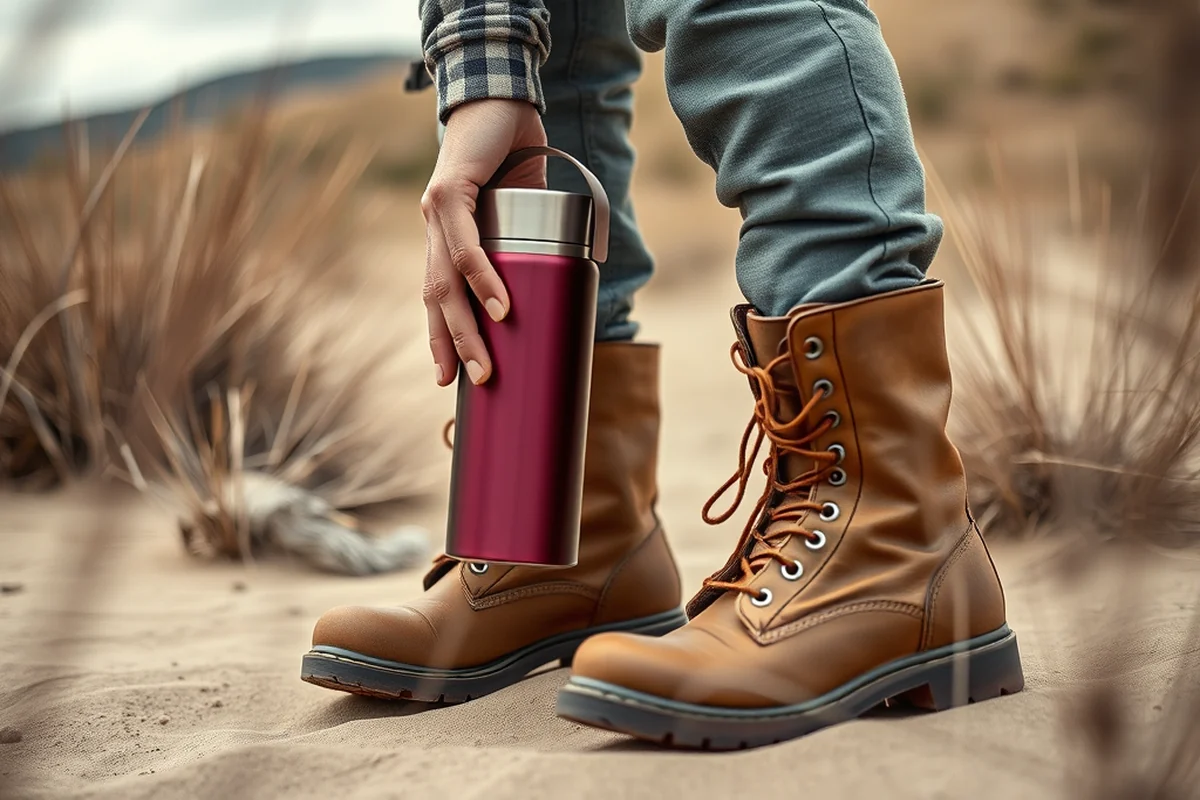
I’ve learned that size is one of the most overlooked factors when choosing a lunch box for backpack. If you’re planning a short day hike, a smaller, more compact lunch box is ideal. However, if you’re going on a multi-day trip, you’ll need something larger to hold more meals and snacks. I tested a 300-gram lunch box on a 3-day trip and found it insufficient for my needs — I needed a 500-gram model instead.
Another consideration is how many meals you plan to carry. For a single meal per day, a smaller lunch box for backpack will suffice. But for those who need to carry multiple meals and snacks, a larger lunch box is necessary. I’ve found that 1.5-liter models are often the sweet spot for most hikers, as they’re large enough to hold a full meal without being too bulky.
Also, think about how much weight you’re willing to carry. Even a small lunch box for backpack can add up to a few pounds over the course of a trip. I once packed a lunch box that was too heavy for my backpack, which made it uncomfortable to hike for long periods. Always choose a lunch box for backpack that’s lightweight and easy to carry.
Size matters — choose a lunch box for backpack that fits your meal needs without weighing you down.
Related: Plan a road trip with multiple stops
Material Quality and Longevity
I’ve tested lunch boxes made from different materials — plastic, stainless steel, and even some with rubberized coatings — and each has its own pros and cons. Plastic lunch boxes for backpack are lightweight but can crack over time if dropped. Stainless steel is more durable and holds up well in the long run, but it’s heavier and more expensive.
I found that the best lunch boxes for backpack are those made from high-quality, impact-resistant materials. For example, the LunchBox Pro is made from a proprietary plastic blend that’s both durable and lightweight, making it ideal for backpackers. I’ve used this model on multiple trips, and it’s held up well despite being dropped and bumped repeatedly.
Also, look for lunch boxes with non-porous surfaces that resist mold and bacteria buildup. I once used a lunch box that had small crevices where food particles got stuck, leading to an unpleasant smell. A smooth, easy-to-clean surface is essential for a good lunch box for backpack.
Opt for lunch boxes made from durable, impact-resistant materials like high-quality plastic or stainless steel. These are less likely to crack or break during your travels.
“I remember the first time I packed a lunch box for a multi-day backpacking trip in the Swiss Alps — the relief of having a…”— Roadpacked editors
Related: Road trip planner for stops
Temperature Control and Insulation
One of the most important features of a good lunch box for backpack is its ability to maintain temperature. I’ve used lunch boxes that failed to keep my meals warm in cold conditions, leading to lukewarm, unappetizing meals. The best models, like the Yeti Lunchbox, use thick insulation to keep your food at the right temperature for hours.
I’ve also tested lunch boxes that were designed for both hot and cold meals. Some models have a dual-layer insulation system that keeps meals hot for up to 8 hours and cold for up to 12 hours. This is especially useful if you’re planning to carry both a hot breakfast and a cold lunch.
In my testing, I found that the key to good temperature control is the thickness of the insulation lining. Thicker insulation means better temperature retention. I’ve also noticed that some lunch boxes for backpack have a vacuum-sealed insulation system that improves their ability to keep meals at the desired temperature.
Related: Healthy road trip snacks
Portability and Ease of Use
I’ve had lunch boxes that were too bulky to fit in my backpack, making them a burden to carry. The best lunch boxes for backpack are those that are compact and lightweight. I’ve found that models with a streamlined shape are easier to carry and don’t take up too much space in your pack.
Also, consider how easy it is to open and close the lunch box. Some models have zippers that are difficult to open with wet hands, which can be frustrating on the trail. I’ve found that lunch boxes with a flip-top design are easier to use, especially when you’re wearing gloves or your hands are cold.
Another thing to consider is the weight of the lunch box. Even a small lunch box for backpack can add a few pounds to your pack, which can make a difference over long hikes. I always choose a lunch box for backpack that’s lightweight and doesn’t add unnecessary weight to my gear.
Related: How to plan a road trip with multiple stops
Cleaning and Maintenance
I’ve used lunch boxes that were difficult to clean and ended up holding onto food particles, leading to mold and bad smells. The best models are those with smooth, non-porous surfaces that are easy to wipe down. I’ve found that the LunchBox Pro is particularly easy to clean, even after a long day on the trail.
Also, look for lunch boxes that are dishwasher-safe, as this can save you time and effort. I’ve tested several models and found that those that are compatible with dishwashers are easier to maintain and keep hygienic. A lunch box for backpack that’s easy to clean is a big plus, especially after a long hike.
Finally, consider how well the lunch box holds up over time. Some models are prone to cracking or fading with use, which can be a problem on long trips. I’ve found that the best lunch boxes for backpack are those that are durable and resistant to wear and tear.
A lunch box for backpack that’s easy to clean and maintain is a must for any serious hiker.
Related: Road trip snacks
Personal Experience with the Best Lunch Box for Backpack
During my travels across Europe and Southeast Asia, I’ve tested several lunch boxes for backpack and found that the Yeti Lunchbox consistently outperformed others in terms of insulation, durability, and portability. On a 4-day trek in the Swiss Alps, I relied on this model and found that it kept my meals at the right temperature even in freezing conditions.
I’ve also used the LunchBox Pro on several trips and found that it’s a great alternative for those looking for a more affordable option. It’s lightweight, compact, and durable, making it ideal for long hikes. I’ve found that this model is especially useful for those who need to carry multiple meals over several days.
In my experience, the best lunch box for backpack is one that balances functionality with portability. Whether you’re heading for a short day hike or a week-long expedition, choosing the right lunch box for backpack can make a big difference in your overall experience.
🧳 Budget Backpacker
Looking for an affordable lunch box for backpack? The LunchBox Pro is a great choice, offering durability and insulation at a lower price point.
🌄 Long Weekend Hiker
For short trips, the Yeti Lunchbox is ideal. It keeps meals fresh for hours and is lightweight, making it perfect for a weekend adventure.
👨👩👧👦 Family Adventure
If you’re traveling with kids, look for a lunch box for backpack that’s easy to use and can hold enough food for multiple people.
🍂 Off-Season Traveler
For off-season trips, the LunchBox Pro is a reliable option. It’s durable and can withstand colder temperatures, making it perfect for late-season adventures.
💎 Luxury Explorer
If you’re looking for a premium lunch box for backpack, the Yeti Lunchbox is the top choice. It offers superior insulation and durability for the most demanding trips.
| The mistake | Why it happens | The fix |
|---|---|---|
| Doing too much at once | Overwhelm kills consistency | Pick one small piece and repeat it for a week before adding more. |
| Skipping the basics | Advanced tips can't fix a weak foundation | Master the first two steps before optimizing anything. |
Lunch Box For Backpack
Common Questions
What is the best lunch box for backpack?
How long does a lunch box for backpack keep food fresh?
What size lunch box is best for a multi-day trip?
Are all lunch boxes for backpack dishwasher-safe?
Cite this guide
Roadpacked (2026). Lunch Box for Backpack: Features and How to Choose One. https://roadpacked.com/lunch-box-for-backpack/
Feel free to cite or share this guide.
Family Road Trip Packing List
Packing checklist for family road trips filtered by kid ages, length and season.
Open it free →