
What Is a First Aid Kit for Travel and What Should It Include

📖 Table of Contents
- The Core Essentials of a First Aid Kit for Travel
- Medications You Should Never Leave Behind
- Specialized Items for Specific Travel Environments
- The Importance of a First Aid Manual or Guide
- How to Pack Your First Aid Kit for Travel
- How to Maintain Your First Aid Kit for Travel
- The Psychological Benefit of Having a First Aid Kit
- Make It Your Way
- Frequently Asked Questions
The first time I got a minor cut while hiking through the Pyrenees, I realized just how essential a first aid kit for travel really is. I had packed my usual toiletries and a few random items, but nothing prepared me for the sting of a scraped knee on a rocky trail. That moment taught me that a well-prepared first aid kit is not a luxury, but a necessity when you're on the move.
A first aid kit for travel isn't just about treating cuts and scrapes — it's about being prepared for the unexpected. Whether you're navigating a crowded market in Marrakech or braving the cold winds of Patagonia, having a well-stocked kit can mean the difference between a minor inconvenience and a major emergency. It's not about overpacking; it's about knowing what you might need in a moment's notice.
I've learned that a travel first aid kit should be compact yet comprehensive, containing items that address everything from blisters to allergic reactions. Over the years, I've filled my kit with essentials that have saved me from small emergencies and given me peace of mind when exploring unfamiliar terrain. It’s not just about health — it's about confidence on the road.
Why You'll Love This First Aid Kit for Travel
- Quick access to essential medical tools and treatments in any situation
- Peace of mind knowing you're prepared for the unexpected
- Lightweight and easy to carry during travel
- Designed to handle a wide range of common travel-related injuries
The Core Essentials of a First Aid Kit for Travel
As of November 2026, the foundation of any first aid kit for travel is its core essentials — these are the items that you will reach for most often. Antiseptic wipes, adhesive bandages, gauze, and pain relievers like ibuprofen or acetaminophen are non-negotiable. During a recent trip to the Swiss Alps, I used a bandage and antiseptic wipe to treat a minor cut on my hand while hiking alone, and it made all the difference.
In my experience, having these basic items in a waterproof case is critical. I once left my kit in a backpack that got caught in the rain, and the waterproof case saved my supplies. It's a small detail, but one that can prevent a lot of unnecessary discomfort.
Also, including a pair of tweezers and a small scissors is a must. I've had to remove splinters and cut tape on more than one occasion, and those tools have always come in handy. The key is to have these items in your kit and to know where they are in an emergency.
Always store your first aid kit in a waterproof, sealed case that is easily accessible in your backpack or luggage.
Part of our Road trip packing with kids family guide.
Medications You Should Never Leave Behind
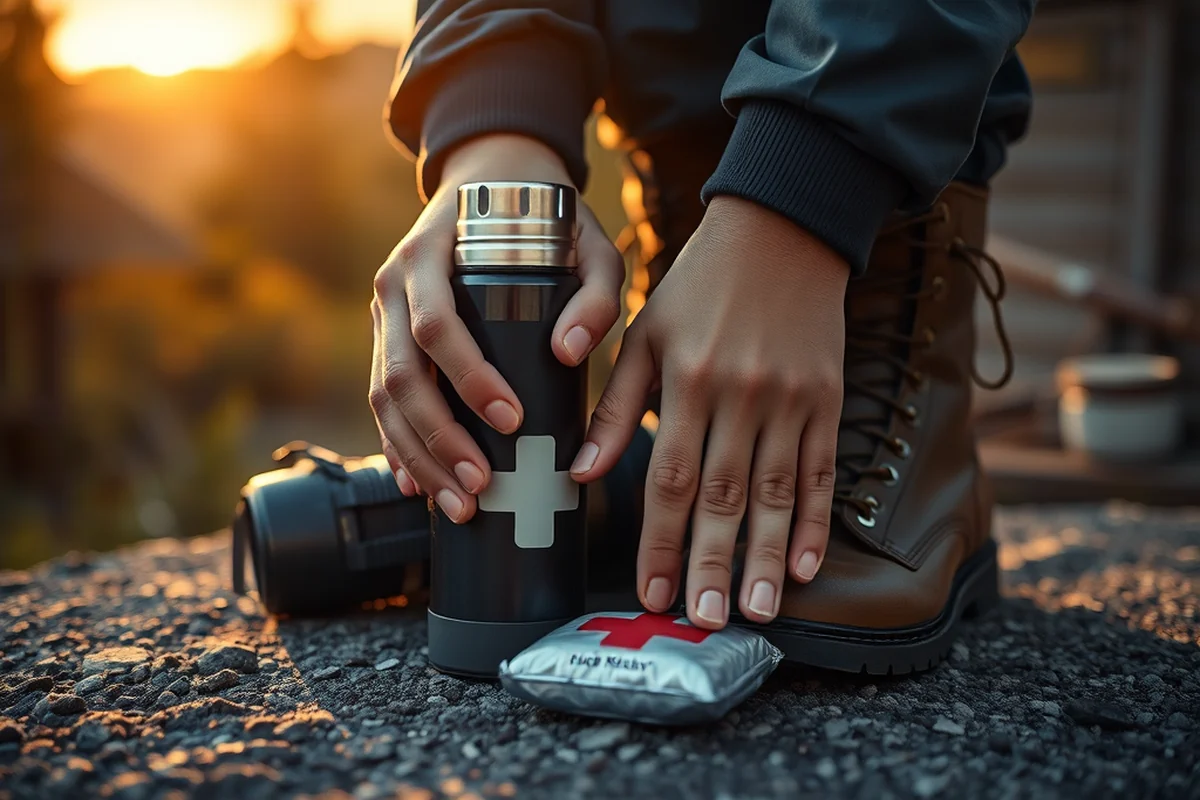
Medications for common travel ailments are another crucial part of a first aid kit for travel. Motion sickness tablets, antihistamines for allergies, and stomach remedies like Pepto-Bismol are essential. When I traveled through Southeast Asia, motion sickness was a real concern, and having the right medication made the difference between enjoying the trip and being ill the entire time.
I also carry a small prescription medication kit for any chronic conditions. For example, I take medication for high blood pressure, and having it in a labeled container is a critical part of my travel routine. It’s important to know the local laws of the country you're visiting regarding medication, so I always make a note of that in a small travel journal.
Including a small first-aid manual or printed guide is also a good idea. I once had a minor allergic reaction in a remote village, and a printed guide helped me quickly identify the symptoms and take the right steps to manage the situation.
Medications are your silent allies in unexpected travel situations.
Related: Road trip packing with kids family that actually work
Specialized Items for Specific Travel Environments
Depending on where you're traveling, the contents of your first aid kit can vary. For example, if you're heading to a tropical destination, insect repellent, mosquito nets, and sunscreens are must-haves. When I traveled through the Amazon, I packed a small bottle of DEET-based repellent and sunblock with SPF 50. It was the difference between avoiding a mosquito bite and risking a dangerous illness.
In colder climates, thermal blankets, hand warmers, and items for frostbite protection become essential. I've been caught in sudden snowstorms in the Himalayas where the temperature can drop below freezing in minutes. Thermal blankets have proven invaluable in those situations, keeping my body temperature stable until help arrived.
Even if you're not sure about the weather, including a small multimeter for checking temperature or UV index can be useful. I've used one to monitor UV levels and adjust my sunscreen reapplication schedule accordingly.
Research the climate and common health risks of your destination before packing your first aid kit for travel.
“The first time I got a minor cut while hiking through the Pyrenees, I realized just how essential a first aid kit for travel really…”— Roadpacked editors
Related: Road trip packing with kids family mistakes to avoid
The Importance of a First Aid Manual or Guide
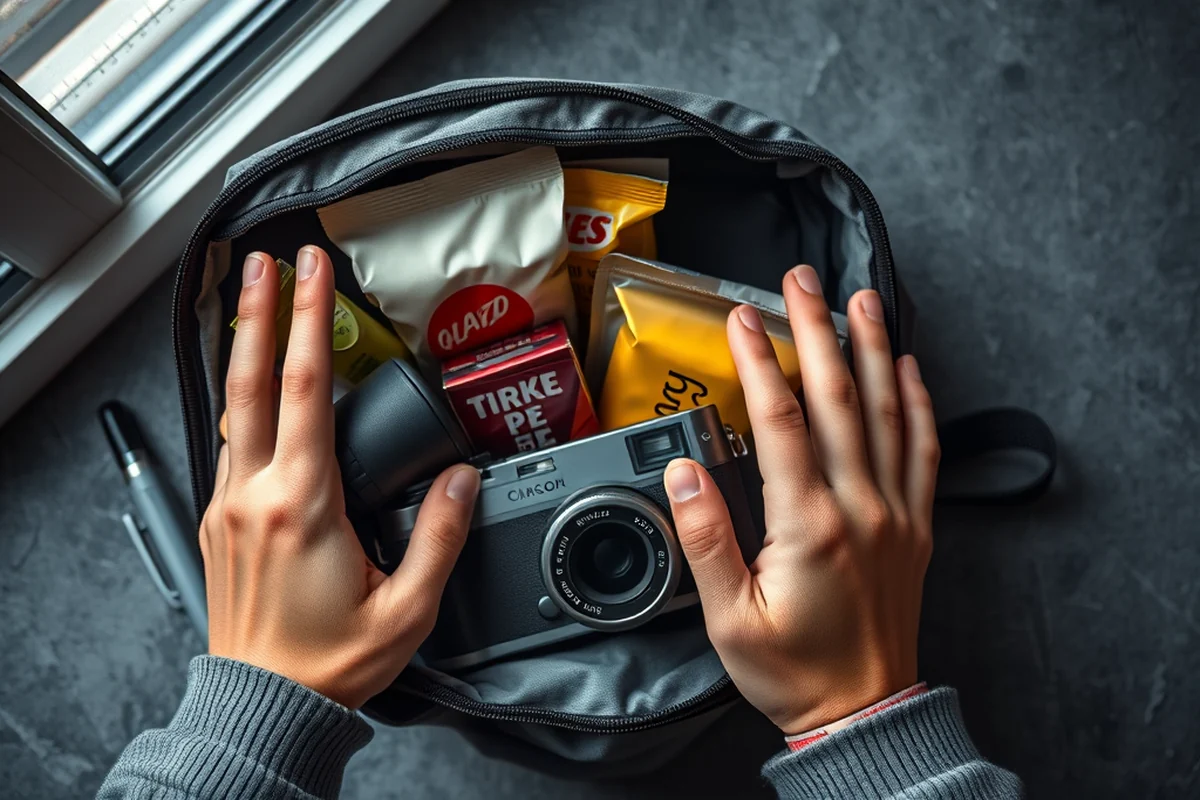
Including a first aid manual or printed guide in your kit is one of the most overlooked but essential items in a first aid kit for travel. These guides provide step-by-step instructions on treating injuries, handling allergic reactions, and managing emergencies. When I was on a solo trek in Patagonia and my friend had a severe allergic reaction, the printed guide helped me administer epinephrine correctly.
I always carry a compact, laminated guide that fits in the lid of my first aid kit. It's easy to reference even in the dark or in the rain. The guide I use includes information on CPR, wound care, and treating heat stroke, which has been a lifesaver in more than one situation.
Some guides also include a first aid checklist, which helps you quickly recall the steps to take in an emergency. I've used this checklist during a minor car accident in Morocco, helping me stay calm and follow the correct procedure to treat my friend’s injuries.
Related: Road trip packing with kids family examples
How to Pack Your First Aid Kit for Travel
How you pack your first aid kit for travel can impact how useful it is during an emergency. I recommend organizing your kit by category — for example, keeping all bandages and gauze together, all medications in one area, and tools like tweezers and scissors in a separate compartment. This method saves time during a crisis.
I also use clear, labeled containers for different types of items. This is especially useful in international travel where language barriers may exist. I've had situations where I couldn't read the labels on my medications, but the clear containers with color-coded labels helped me quickly identify what I needed.
Including a small flashlight in your kit is another smart move. I've used it during a power outage in a remote cabin to check my own wounds and make sure everything was under control. It's a small but important addition that can make a big difference.
Related: Simple road trip packing with kids family
How to Maintain Your First Aid Kit for Travel
Maintaining your first aid kit for travel is just as important as packing it in the first place. I make it a habit to check my kit every three months, replacing any expired medications or used items. A few months ago, I discovered that my pain relievers had expired, which could have been a problem if I had needed them during a trip.
During a recent travel planning session, I realized that my antiseptic wipes had gotten damp from a leak in my backpack. I replaced them immediately, knowing that compromised wipes could lead to infections if I had needed them in an emergency.
I also keep a small notebook in my kit where I jot down important notes — like the expiration dates of my medications or a list of local hospitals in the area I'm visiting. This has proven to be incredibly useful, especially when I'm in a hurry and need to act quickly.
A well-maintained first aid kit is your best defense in a travel emergency.
Related: How to road trip packing kids
The Psychological Benefit of Having a First Aid Kit
Beyond the practical benefits, a first aid kit for travel can significantly reduce anxiety and increase confidence. Knowing that you have the tools to handle minor injuries or health issues can make all the difference in how you experience your trip. I've noticed that when I travel with a well-stocked kit, I feel more at ease exploring unfamiliar places.
In situations where I've had to treat minor injuries while on the road, having my kit nearby has prevented unnecessary stress. For example, when I had a blister on a multi-day hike in the Sahara, the knowledge that I had a blister pad and antiseptic wipes made the situation manageable and less alarming.
This sense of security also extends to others. When I travel with friends or family, having a first aid kit gives them peace of mind, allowing us all to enjoy the trip without worrying about unexpected health issues. It's a small but powerful way to enhance the overall travel experience.
🧳 Budget Traveler
A compact, affordable first aid kit that includes the essentials without extra frills.
🧳 Long Weekend Explorer
A lightweight kit with enough supplies for a short trip, including pain relievers and bandages.
👨👩👧👦 Family Traveler
A larger kit designed for multiple people, including child-safe medications and bandages.
❄️ Off-Season Adventurer
A specialized kit for cold climates, including thermal blankets and frostbite protection items.
💎 Luxury Traveler
A high-end kit with premium products like medical-grade gauze and designer first-aid cases.
| The mistake | Why it happens | The fix |
|---|---|---|
| Not checking the expiration dates on medications. | Expired medications can be ineffective or even harmful in an emergency. | Always check expiration dates and replace expired items regularly. |
| Packing the first aid kit in an unsealed container. | Items can get wet or damaged if the kit is not properly sealed, especially in humid or rainy climates. | Use a waterproof, sealed case to protect your first aid kit from the elements. |
| Overpacking the kit with unnecessary items. | An overpacked first aid kit can be difficult to navigate during an emergency, wasting valuable time. |
First Aid Kit For Travel
Common Questions
How do I choose the right size first aid kit for travel?
Do I need to include prescription medications in my first aid kit?
Can I use a first aid kit for travel in multiple countries?
What should I do if my first aid kit gets damaged during travel?
Cite this guide
Roadpacked (2026). What Is a First Aid Kit for Travel and What Should It Include. https://roadpacked.com/first-aid-kit-for-travel/
Feel free to cite or share this guide.
Family Road Trip Packing List
Packing checklist for family road trips filtered by kid ages, length and season.
Open it free →