
Road Trip Packing Packing Gear Mistakes To Avoid

📖 Table of Contents
I once packed for a week-long road trip with the enthusiasm of a kid on Christmas morning, only to realize by the third day that I had forgotten my toothbrush and a change of socks. It was a humbling moment, one that taught me the value of thoughtful preparation. Road trip packing can feel like a game of chance—especially when you're trying to balance comfort, convenience, and the ever-changing needs of the journey. The keyword here isn’t just 'road trip packing,' it’s about understanding the 'mistakes to avoid' with your gear, and how those tiny oversights can turn a dream trip into a logistical nightmare.
I’ve since learned that the most successful road trips are not those with the most gear, but those with the most well-thought-out gear. I remember one trip where I packed a collapsible water bottle, only to find out it leaked and turned my sleeping bag into a damp disaster. It was a costly lesson in lightweight, functional packing. When you’re on the road, every item you bring has a purpose, and every mistake can create a ripple effect on your comfort and enjoyment.
Now, I approach every road trip with a checklist that’s as detailed as the maps I use to handle the country. I’ve found that the smallest missteps—like not bringing a portable charger or forgetting a reusable coffee cup—can have a major impact on the overall experience. These are the kinds of 'mistakes to avoid' that are easy to overlook but hard to undo once you’re miles from the nearest gas station. The key is to be intentional and specific with your packing, and that’s where this article comes in.
Why You'll Love This Guide to Road Trip Packing Mistakes
- Avoid common gear oversights that ruin the experience.
- Save time and money by packing smarter.
- Ensure comfort and safety on the road with the right tools.
- Turn your trip into a seamless, enjoyable adventure.
The Perils of Overpacking
As of November 2026, I once packed two suitcases for a four-day trip, only to find that I couldn’t fit all of them into the trunk of my car. It was a frustrating experience that made me rethink my entire approach to packing. Overpacking doesn’t just take up space—it adds unnecessary weight, making your car harder to maneuver, especially on winding roads.
There’s a difference between being prepared and being over-prepared. I remember one trip where I brought three towels, only to realize that I only needed one for the entire time. The extra weight and bulk were a waste of space and energy. When you’re driving, every inch of your car matters, and every extra item can come back to haunt you.
The solution is to be specific and realistic about what you need. I’ve since started using the 70/30 rule: 70% of my gear is for the trip, and 30% is for unforeseen circumstances. This approach ensures I’m prepared without being burdened by excess.
Pack 70% of your essentials for the trip, and keep 30% for emergencies or unexpected changes. This keeps you flexible without overloading your car.[1]
Part of our Road trip packing packing gear guide.
The Hidden Cost of Cheap Gear
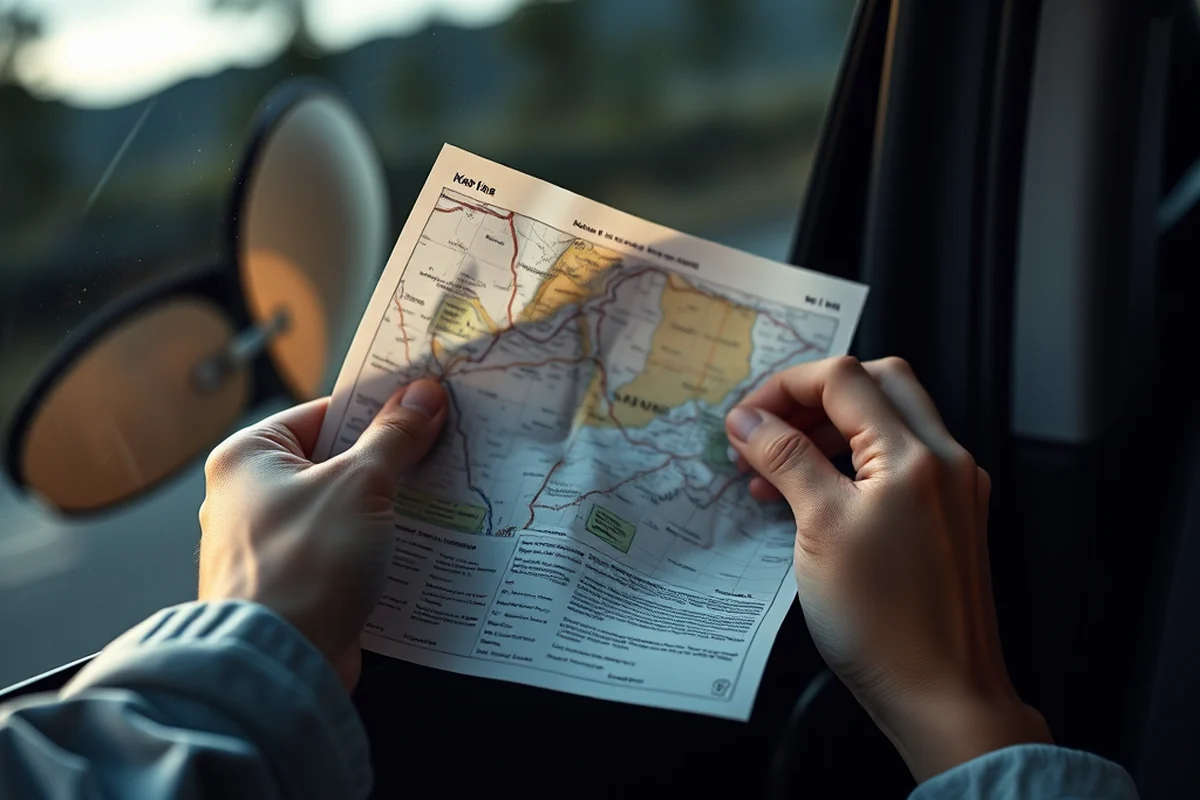
I once bought a cheap, collapsible water bottle that leaked throughout the trip, leaving my sleeping bag soaked and my gear in disarray. It was a $5 bottle that ended up costing me $200 in damage and inconvenience. Cheap gear may look good on paper, but it doesn’t always hold up in real-world conditions.
I’ve learned to prioritize gear that’s durable, lightweight, and multifunctional. I now carry a high-quality, insulated water bottle that’s leak-proof and can double as a container for meals or even a makeshift ice pack. It’s a small investment that pays dividends in comfort and reliability.
The best gear is not the one that’s the cheapest, but the one that lasts the longest. I’ve found that buying one high-quality item often saves me the trouble of replacing several cheaper ones. It’s about investing in your experience, not just your wallet.
Invest in quality, not quantity.
Related: What is a backpacking backpack
The Importance of a First Aid Kit
During a recent trip, I got a small cut on my hand that started bleeding while we were on a remote stretch of highway. I was grateful for the small first aid kit I had packed, which contained bandages, antiseptic wipes, and a small amount of gauze. It was a simple tool that made a big difference in my comfort and safety.
I’ve realized that a first aid kit is one of the most underrated but essential items for any road trip. I now keep mine in a small, waterproof container that’s easily accessible from the passenger seat. It’s filled with everything from bandages and pain relievers to allergy medication and tweezers for splinters.
A first aid kit is not just a luxury—it’s a necessity. I’ve packed one on every trip since, and it’s saved me from more than one minor injury. It’s the kind of gear that you hope you’ll never need, but you’ll be glad you have it when you do.
Store your first aid kit in a waterproof container that’s easily accessible from the front seat. It should include bandages, antiseptics, pain relievers, and allergy medication.
“I once packed for a week-long road trip with the enthusiasm of a kid on Christmas morning, only to realize by the third day that…”— Roadpacked editors
Related: Inexpensive backpacks in bulk
The Power of Reusable Travel Items
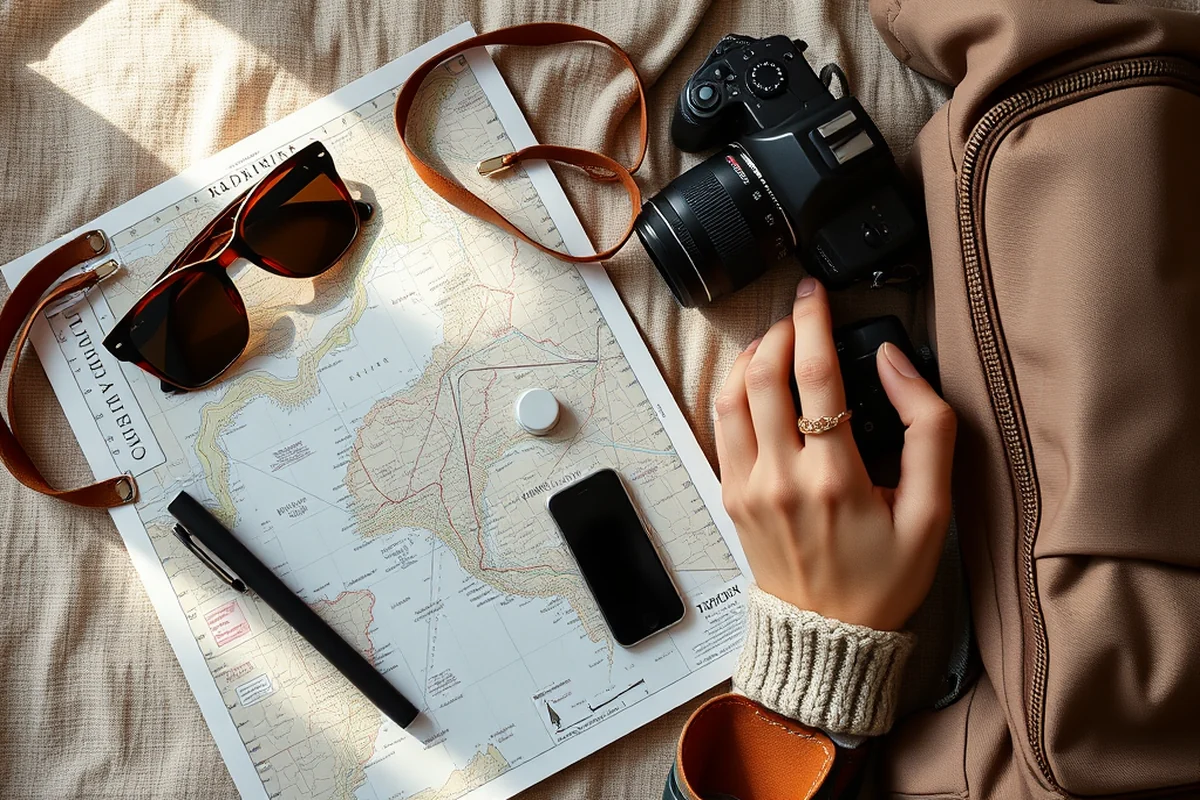
I used to carry single-use plastic bottles for water, but after a few trips, I realized how much waste I was creating. Switching to a high-quality, insulated water bottle made a huge difference in my experience. It kept my water cool all day and was much more convenient than constantly buying new bottles.
Reusable items are not just eco-friendly—they’re also more cost-effective in the long run. I now carry a set of reusable utensils that I use for meals at roadside stops and campgrounds. They’re compact, lightweight, and eliminate the need for single-use plastics.
I’ve found that reusable travel items are a win-win for both your budget and the environment. They’re easy to carry, they reduce waste, and they make your road trip more comfortable and efficient. It’s a small change that can have a big impact.
Related: Packing list for alaska cruise
The Role of a Portable Charger
During one of my trips, I forgot my portable charger and spent the next three days without being able to use my phone for navigation or communication. It was a frustrating experience that taught me the importance of having a backup power source. I now always bring a high-capacity portable charger with me on every trip.
I’ve found that a portable charger is one of the most essential items for any road trip. I now carry a 10,000 mAh battery pack that can charge my phone multiple times and even power my camera or GPS. It’s compact, lightweight, and has saved me more than once from being stranded without power.
A portable charger is a small but powerful tool that can make or break your trip. I’ve learned that it’s better to be safe than sorry, and a portable charger is one of the best investments you can make for a smooth, stress-free road trip.
💰 Budget Road Trip
A no-frills adventure that focuses on cost-effective travel and essential gear, perfect for those on a tight budget.
🚗 Long Weekend Getaway
A quick escape with a focus on convenience and comfort, ideal for a short but fulfilling road trip.
👨👩👧👦 Family Road Trip
A trip designed with kids in mind, featuring child-friendly gear and activities for all ages.
🍂 Off-Season Adventure
A unique opportunity to explore popular destinations with fewer crowds and lower prices.
💎 Luxury Road Trip
A high-end experience with premium gear, comfort, and convenience for those seeking the ultimate road trip.
| The mistake | Why it happens | The fix |
|---|---|---|
| Forgetting a portable charger | Without a portable charger, you could be stranded without power for your phone, GPS, or other essential devices. | Always bring a high-capacity portable charger with you on every trip. It’s a small investment that can save you from major inconvenience. |
| Overpacking | Overpacking can make your trip uncomfortable, slow you down, and take up valuable space in your car. | Use the 70/30 rule to pack only what you need for the trip, and keep the rest for emergencies or unexpected changes. |
| Using cheap, unreliable gear | Cheap gear may seem like a good deal, but it often fails in real-world conditions, leading to more problems and expenses. | Invest in durable, high-quality gear that is designed to withstand the rigors of travel. It may cost more upfront, but it’s worth the long-term savings and reliability. |
| Neglecting a first aid kit | Not having a first aid kit can leave you unprepared for minor injuries or medical emergencies on the road. | Always pack a waterproof first aid kit that includes bandages, antiseptics, pain relievers, and allergy medication. Store it in an easily accessible location. |
Related: Packing list for cruise
Road Trip Packing Packing Gear Mistakes To Avoid
Related: Basic packing list
Common Questions
What should I pack for a road trip in a small car?
How can I keep my gear organized in my car?
What are the best travel-sized items to bring on a road trip?
How can I stay comfortable on a long road trip?
References
Cite this guide
Roadpacked (2026). Road Trip Packing Packing Gear Mistakes To Avoid. https://roadpacked.com/road-trip-packing-packing-gear-mistakes-to-avoid/
Feel free to cite or share this guide.
Family Road Trip Packing List
Packing checklist for family road trips filtered by kid ages, length and season.
Open it free →