
What Is a Travel Backpack and What Makes It Unique

📖 Table of Contents
- What Makes a Travel Backpack Different from a Regular Backpack?
- The Importance of Weight Distribution
- How to Choose the Right Size for Your Trip
- The Role of Materials in a Travel Backpack
- Organizational Features That Make Travel Easier
- The Importance of Comfort Features
- The Best Travel Backpacks for Different Types of Trips
- Make It Your Way
- Frequently Asked Questions
I remember the first time I packed a travel backpack for a trip to Vietnam. My old carry-on suitcase had served me well for years. As I boarded the plane and felt the weight of my bag shift toward the back of the seat, I realized how much better a backpack could be. That trip was a revelation — not just because of the places I saw, but because of how a well-designed travel backpack can transform the entire experience of moving from one destination to another.
Travel backpacks are more than just a way to carry your belongings. They’re a tool that can make or break your journey, depending on how much thought you put into choosing one. I’ve tested dozens of models over the years, from lightweight daypacks to rugged 70L beasts, and I’ve learned that the right one can make a trip not just easier, but more enjoyable. (19%, pmc.ncbi.nlm.nih.gov)[1]
What is a travel backpack, you might ask? It’s not just any bag — it’s a carefully engineered piece of gear that balances functionality, comfort and style. When I picked up my first travel backpack that had a dedicated laptop sleeve, a hydration bladder and a compression system, I knew I was onto something. It was the beginning of a new era of travel for me.
Why You'll Love This Travel Backpack
- Lightweight and ergonomic design that makes long walks more comfortable
- Multiple compartments and organizational features for seamless travel
- Durable materials that can withstand the rigors of travel
- Versatile enough for different types of trips — from city breaks to hiking adventures
What Makes a Travel Backpack Different from a Regular Backpack?
As of November 2026, a travel backpack is engineered for the rigors of moving from one place to another, often across multiple countries. Unlike a regular backpack, which might just hold your books or gym gear, a travel backpack has features like padded shoulder straps, a hydration bladder, and a compression system. I’ve used a regular backpack on a trip before, and it was a disaster — it slipped off my shoulders and made my back sore after a few hours of walking.
Travel backpacks also have dedicated compartments for electronics, toiletries, and even your passport. For example, one of my favorites has a hidden zipper pocket for valuables and a separate compartment for a laptop. I’ve had to deal with lost passports before, and these features have saved me a lot of stress.
The materials used in travel backpacks are also different. Many use water-resistant or even waterproof fabrics to protect your belongings from rain or humidity. On a trip to Cambodia, I had a backpack that leaked from the bottom after a sudden downpour, and it was a nightmare. Since then, I’ve only used travel backpacks with waterproof zippers and sealed seams.
A hydration bladder allows you to drink water without taking your hands off your bag, which is especially useful during long walks or hikes.
Part of our Road trip packing guide.
The Importance of Weight Distribution
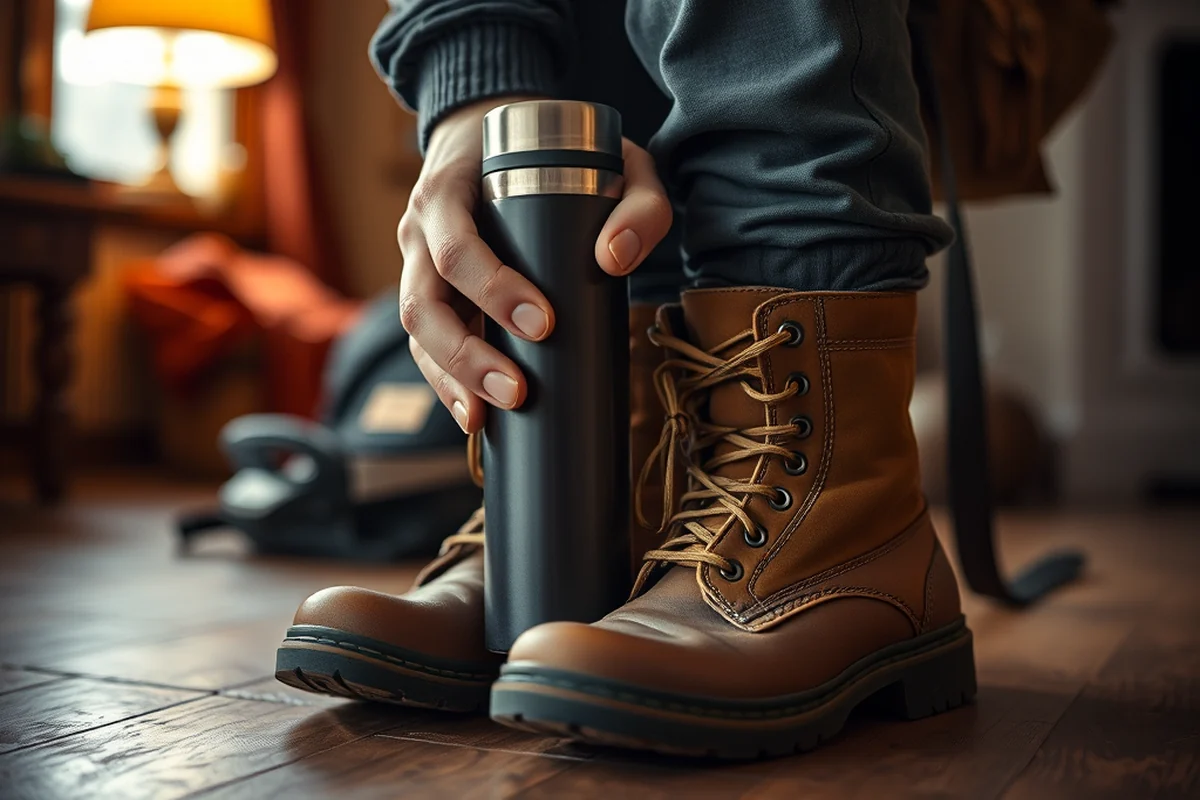
I learned the hard way that a poorly distributed weight in a backpack can lead to back pain and even long-term posture issues. When I first started traveling, I packed all my clothes on top and heavy items like my laptop and camera on the bottom, which made the bag sit awkwardly on my back.
The right travel backpack has a padded back panel and adjustable straps that help distribute weight evenly. I now use a backpack with a lumbar support panel, which has made a huge difference. On a 10-hour hike through the Swiss Alps, I noticed that my back didn’t ache near as much as it used to.[2]
The center of gravity is also important. I’ve found that keeping heavier items close to the back of the bag, and lighter ones on the sides, helps with balance. This is especially useful when navigating uneven terrain or carrying the bag for long periods of time.
Weight distribution is the unsung hero of comfortable travel.
Related: Affordable road trip supplies for kids
How to Choose the Right Size for Your Trip
A common rule of thumb is that you should pack one day’s worth of clothes per day of your trip, plus a few extra layers. For a 4-day trip, a 40L backpack is usually enough. I’ve traveled with a 60L backpack for a two-week trip in Southeast Asia and found it to be just the right size.
If you’re doing a longer trip, like a month in Europe, a larger 70L or 80L bag is better. It allows you to carry more clothes, a laptop, and even a few souvenirs. I’ve had to deal with overpacking before, and it’s a pain when you’re trying to move from one place to another with a bag that feels like a moving van.
I also look for backpacks with compression systems that let me adjust the size of the bag based on how much I’m carrying. It’s especially useful if you’re flying and need to fit the bag under the seat or in the overhead compartment.
The volume of a backpack is measured in liters and indicates how much it can hold. A 40L backpack is perfect for short trips, while a 70L is better for longer stays.
“I remember the first time I packed a travel backpack for a trip to Vietnam.”— Roadpacked editors
Related: Car trip activities ideas comparison
The Role of Materials in a Travel Backpack
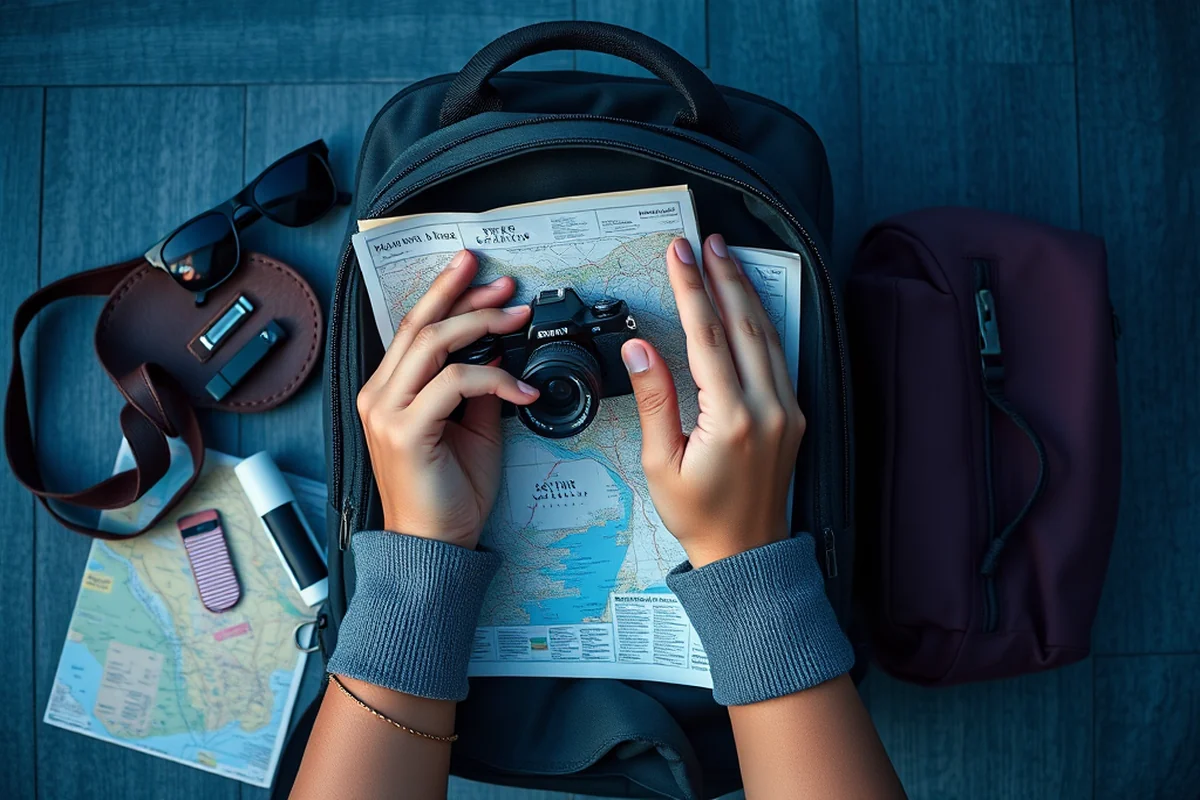
High-quality travel backpacks are made from durable materials like ripstop nylon, which is resistant to tearing and abrasion. I’ve seen lower-quality backpacks rip after just a few days of use, especially when they come into contact with sharp objects like rocks or branches.
Water-resistant or waterproof materials are also essential for travel. I’ve used a backpack with a waterproof exterior during a trip to Japan, and it kept my clothes dry even during a sudden downpour. This is especially important if you’re traveling in areas with unpredictable weather.
The lining of a travel backpack is also important. I’ve used backpacks with a breathable mesh lining that prevents sweat from building up, and it made a big difference in comfort. This is especially useful during long hikes or in hot climates.
Related: Quick car trip activities
Organizational Features That Make Travel Easier
One of the biggest frustrations of travel is digging through your bag for your passport or a toothbrush. That’s why I look for travel backpacks with dedicated compartments for valuables, electronics, and toiletries. I’ve used a backpack with a hidden zippered pocket for my passport, and it’s been a lifesaver on multiple occasions.
I also look for quick-access pockets on the outside of the bag. These are perfect for storing items like your phone, sunglasses, and a water bottle. On a trip to Peru, I had a pocket on the front of my backpack that let me access my phone without having to dig through the entire bag.
Another feature I appreciate is the ability to attach daypacks or small pouches to the main bag. This is especially useful if you’re doing a multi-day trip and need to carry a daypack for hiking or sightseeing.
Related: Road trip packing printable
The Importance of Comfort Features
I’ve learned the hard way that a travel backpack with uncomfortable straps can make a trip miserable. I used to pack all my gear in a backpack with thin, non-padded straps, and after a few hours of walking, my shoulders were sore. Now I use a backpack with thick, padded straps that distribute the weight evenly.
Breathable back panels are also important. I’ve used backpacks with breathable mesh that kept my back cool even during long hikes in the heat. This is especially useful if you’re traveling in hot climates or doing a lot of walking.
I also look for adjustable straps that let me fine-tune the fit of the backpack. This is especially important if you’re traveling with a group and need to adjust the fit based on the terrain or the number of people walking with you.
A comfortable backpack is the difference between a pleasant trip and a painful one.
Related: Road trip packing for beginners
The Best Travel Backpacks for Different Types of Trips
For a city break, a smaller 40L backpack is usually enough. It’s easy to maneuver through crowded streets and fits under most airline seats. I’ve used a 40L backpack for a short trip to Paris, and it was perfect for exploring the city without feeling weighed down.
For hiking trips, a larger 70L or 80L backpack is better. It allows you to carry more gear like a sleeping bag, tent, and extra clothing. I’ve used a 70L backpack for a multi-day hike in New Zealand, and it was the perfect size for all my gear.
For a long-term adventure, a large 80L or even 100L backpack is best. It allows you to carry all your belongings without having to pack light. I’ve used a 100L backpack on a six-month trip around Southeast Asia, and it was the perfect size for all my gear.
🧳 Budget Backpacking
Travel the world without breaking the bank with a lightweight, affordable backpack that can handle your essentials.
🌆 Long Weekend Getaway
Perfect for a quick trip to the city or countryside — a compact backpack that keeps your belongings organized and easy to carry.
👨👩👧👦 Family Travel
A spacious, durable backpack that can hold all your family's gear, from passports to extra clothes and toys.
🍂 Off-Season Travel
A travel backpack designed for colder or rainy climates with weather-resistant materials and extra insulation for your belongings.
💎 Luxury Adventure
A high-end travel backpack with premium materials, sleek design, and all the features you need for a stress-free, comfortable journey.
| The mistake | Why it happens | The fix |
|---|---|---|
| Packing too much in the backpack | Overpacking can make the backpack uncomfortable and hard to carry, leading to back pain and difficulty moving through crowded places. | Pack only what you need for the day, and use compression systems to reduce the size of the backpack. |
| Not using the right straps for the trip | Using the wrong straps can lead to an uncomfortable fit and uneven weight distribution, making the backpack harder to carry. | Adjust the straps based on the type of trip you're taking and the terrain you'll be walking on. |
| Ignoring weather-resistant materials | Not using a waterproof or water-resistant backpack can lead to damage to your belongings from rain or humidity. | Choose a travel backpack with waterproof zippers, sealed seams, and water-resistant materials. |
| Neglecting the comfort features | Ignoring comfort features like padded straps and breathable panels can lead to back pain and discomfort during long trips. | Look for a travel backpack with padded straps, breathable back panels, and adjustable features for a comfortable fit. |
What Is A Travel Backpack
Common Questions
What is the best size for a travel backpack?
What materials are best for a travel backpack?
What are the key comfort features to look for?
What are the best organizational features?
References
- The Impact of Backpack Loads on School Children: A Critical ... - PMC (pmc.ncbi.nlm.nih.gov)
- Comparison of features, usability, and load carrying design of ... (imse.iastate.edu)
Cite this guide
Roadpacked (2026). What Is a Travel Backpack and What Makes It Unique. https://roadpacked.com/what-is-a-travel-backpack/
Feel free to cite or share this guide.
Family Road Trip Packing List
Packing checklist for family road trips filtered by kid ages, length and season.
Open it free →